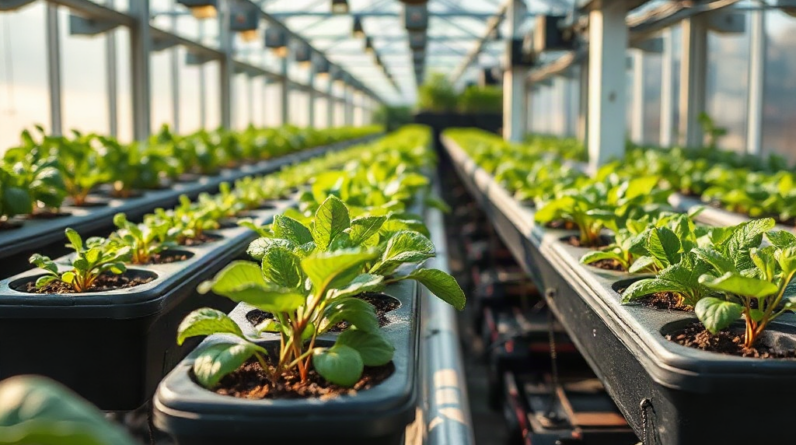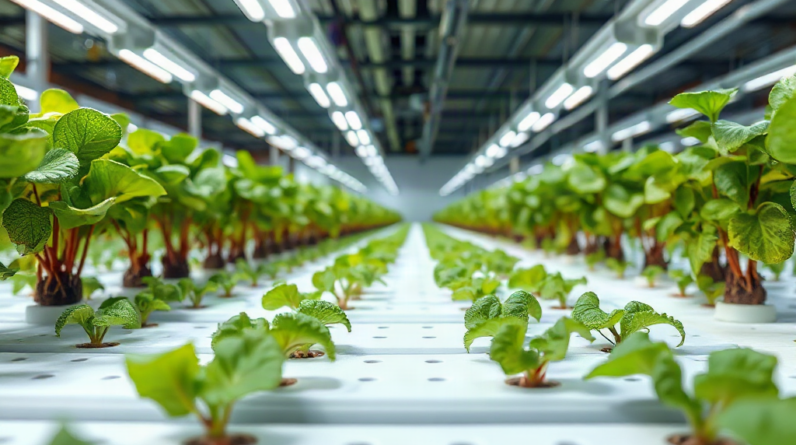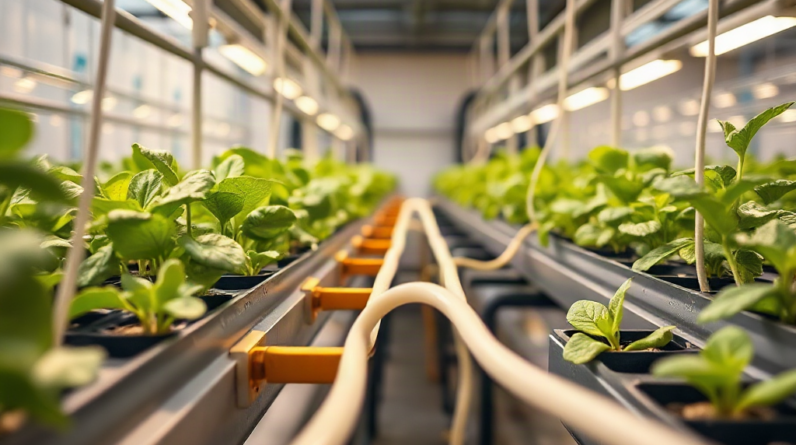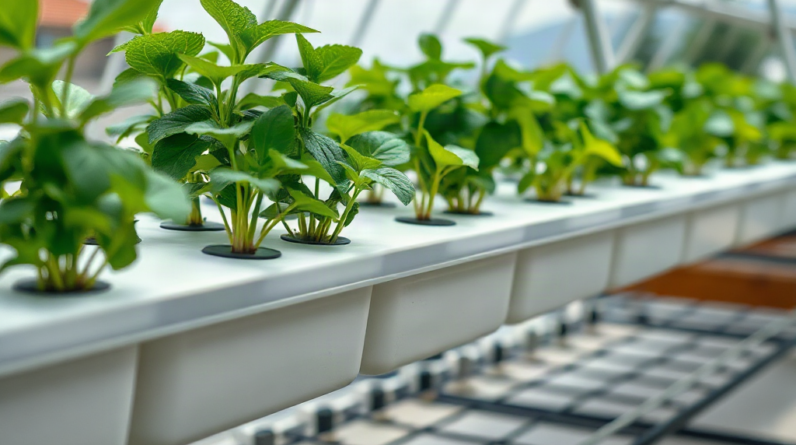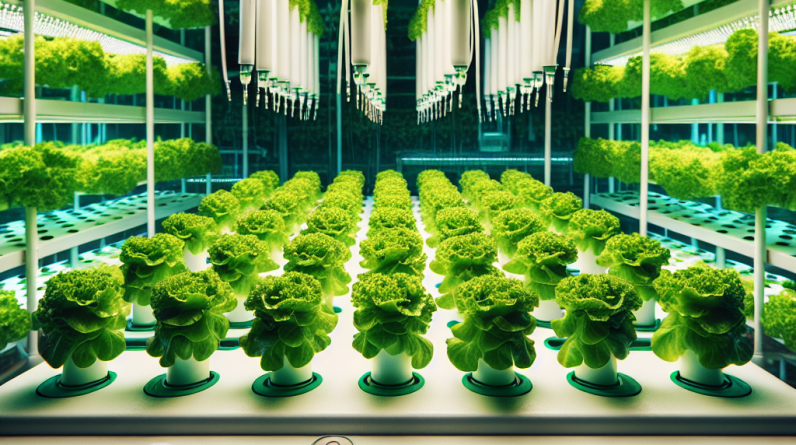
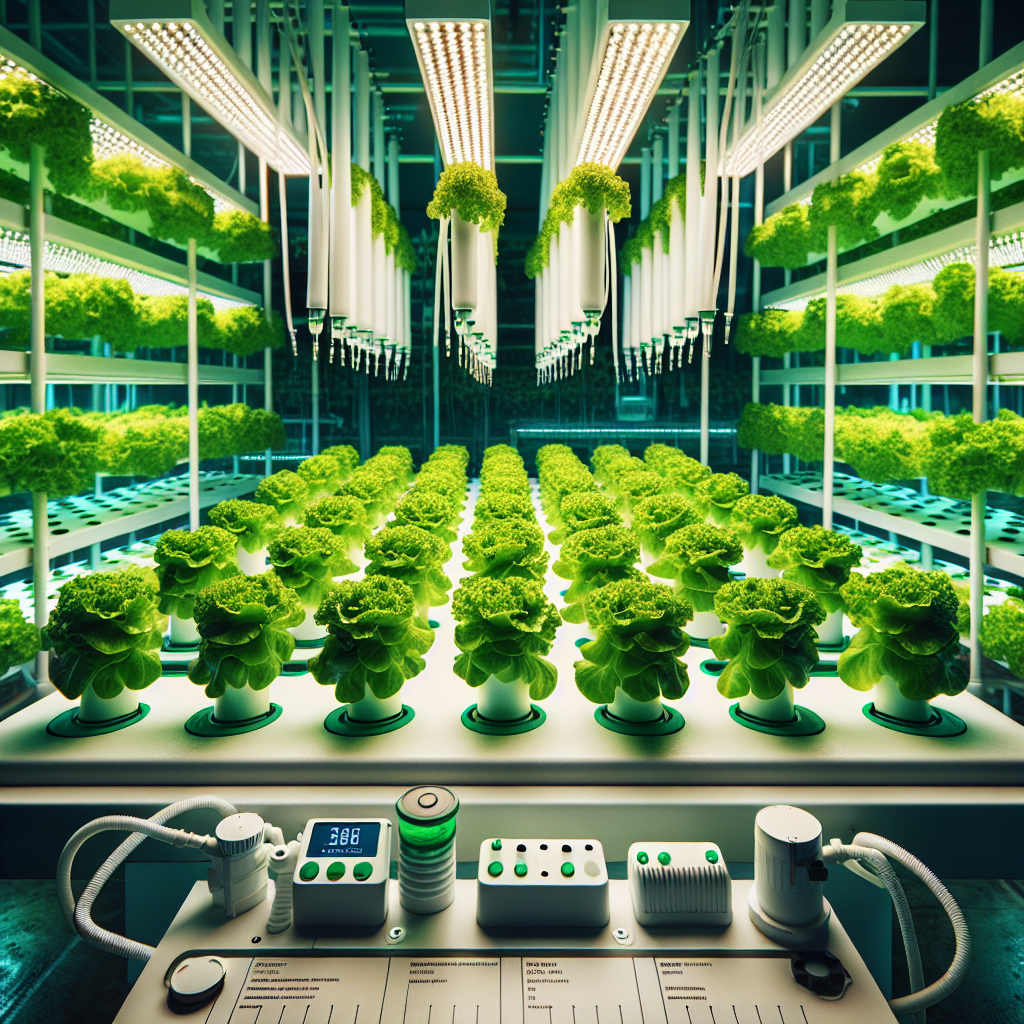
A hydroponic garden tower is a vertical gardening solution that enables efficient plant cultivation without soil, using nutrient-rich water instead. These towers are designed to maximize growing space, making them ideal for urban environments where traditional gardening may be limited by space constraints. By stacking plants vertically, these systems allow gardeners to grow a wide variety of herbs, vegetables, and flowers in a compact area, supporting sustainable practices and food production.
Utilizing a hydroponic garden tower not only saves space but also enhances plant growth through controlled nutrient delivery, improved water usage, and optimized light exposure. However, it’s essential to monitor nutrient levels and water quality regularly to prevent common pitfalls such as nutrient imbalances or root rot. Additionally, gardeners must be aware of the specific light requirements for different plants to ensure healthy growth.
How Hydroponic Garden Towers Work
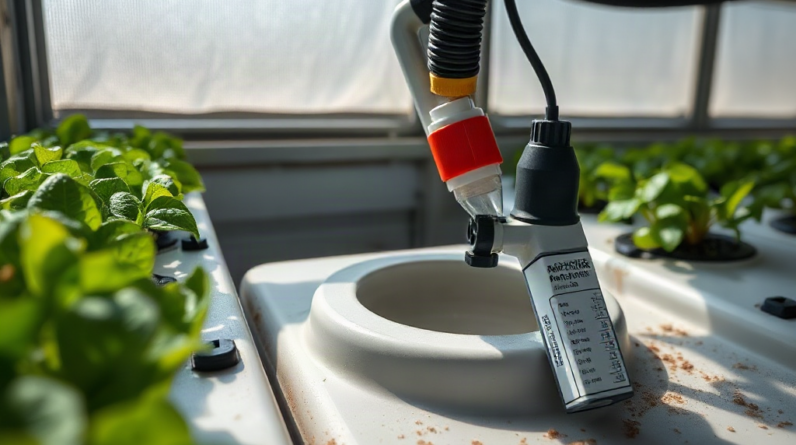
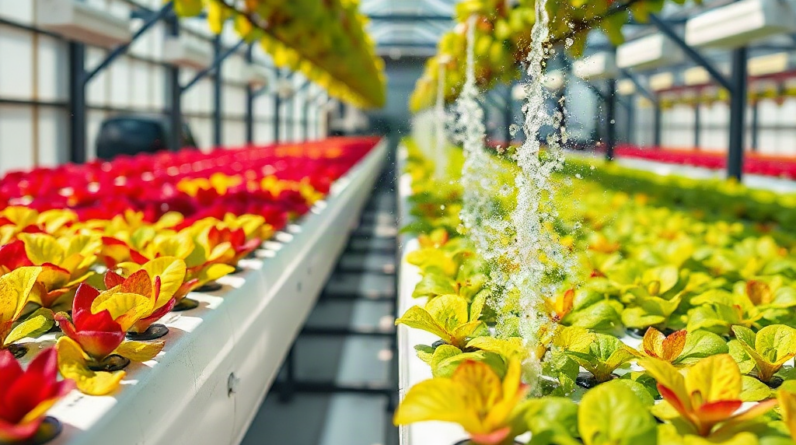
Hydroponic garden towers operate by circulating a nutrient-rich water solution through a series of vertical planting spaces. Each plant is typically housed in a small container or pocket that allows the roots to access the water and nutrients directly. This system can be automated using timers and pumps to maintain optimal moisture levels and nutrient delivery.
Understanding the basic mechanics of these towers is crucial for successful gardening. The key is to ensure that the water is well-oxygenated and that the nutrient solution is balanced. Regular maintenance, including cleaning the system and checking for clogs, is vital to avoid issues that could hinder plant growth.
Benefits of Using a Hydroponic Garden Tower
The primary benefit of a hydroponic garden tower is its ability to maximize space and yield. These systems can produce a higher volume of crops compared to traditional gardening methods, as they allow plants to grow in a controlled environment. Other benefits include reduced water usage, as hydroponics typically uses up to 90% less water than soil-based gardening.
Additionally, hydroponic systems can be set up indoors or outdoors, giving gardeners flexibility regardless of their living situation. They are also less susceptible to soil-borne diseases, which can lead to healthier plants and higher productivity. Understanding these advantages can help gardeners make informed decisions about their growing systems.
Choosing the Right Plants for Your Tower
When selecting plants for a hydroponic garden tower, it’s essential to consider their growth habits and nutritional needs. Leafy greens, such as lettuce and spinach, are excellent choices due to their short growth cycles and adaptability to hydroponic systems. Herbs like basil and cilantro also thrive in these environments.
However, larger fruiting plants, such as tomatoes or cucumbers, may require additional support and more space than what a typical tower can provide. Gardeners should prioritize plants that are well-suited for vertical growth and can thrive in a hydroponic setup to ensure the best results.
Common Mistakes to Avoid
One common mistake when using hydroponic garden towers is neglecting the importance of pH levels and nutrient balance. An imbalanced pH can hinder nutrient absorption, leading to poor plant health. Regular testing and adjustments are necessary to maintain optimal conditions.
Another pitfall is overcrowding plants, which can lead to competition for light and nutrients. It’s crucial to follow recommended spacing guidelines to ensure each plant has adequate room to grow. By being aware of these mistakes, gardeners can enhance their chances of success.
For more information on hydroponic gardening, consider exploring resources from reputable agricultural universities or organizations specializing in sustainable practices. These sources provide valuable insights and guidelines for optimizing your hydroponic garden tower setup.
Frequently Asked Questions
What is a hydroponic garden tower?
A hydroponic garden tower is a vertical gardening system that allows for growing plants without soil, using a nutrient-rich water solution instead.
How does a hydroponic garden tower work?
It circulates a nutrient solution through vertical planting areas, allowing plants to access water and nutrients directly, promoting faster growth.
What plants can I grow in a hydroponic garden tower?
Leafy greens, herbs, and some small fruiting plants are ideal for hydroponic towers due to their growth habits and nutrient needs.
What are the benefits of using a hydroponic garden tower?
Benefits include space-saving design, reduced water usage, higher yields, and the ability to grow plants indoors or outdoors.
What mistakes should I avoid when using a hydroponic garden tower?
Avoid neglecting pH levels, overcrowding plants, and failing to monitor nutrient balance to ensure healthy growth.
Further Reading
Authoritative Sources
- 5 Best Vertical Garden Towers for Small Indoor Spaces
blogbaser.comThese space-saving systems allow you to grow plants in water and nutrients instead of messy soil, making them perfect for urban hobbyists.
- Maximize Your Harvest In Small Spaces With A Hydroponic ...
brightlanegardens.comSaves space: Without the need for soil, plants can be grown closer together. Vertical systems like the Gardyn tower make even better use of ...
- Home » Space Saving Garden
spacesavinggarden.comDiscover the best gear for your indoor jungle, from space-saving vertical towers to high-tech hydroponic systems and essential grow lights.
Conclusion
In conclusion, hydroponic garden towers present a unique solution for maximizing space and productivity in urban gardening. By understanding the mechanics, benefits, and best practices associated with these systems, gardeners can significantly enhance their growing experience. Prioritizing regular maintenance, selecting appropriate plants, and avoiding common mistakes will lead to a thriving hydroponic garden. For those looking to grow fresh produce in limited spaces, investing in a hydroponic garden tower is a practical and rewarding choice.