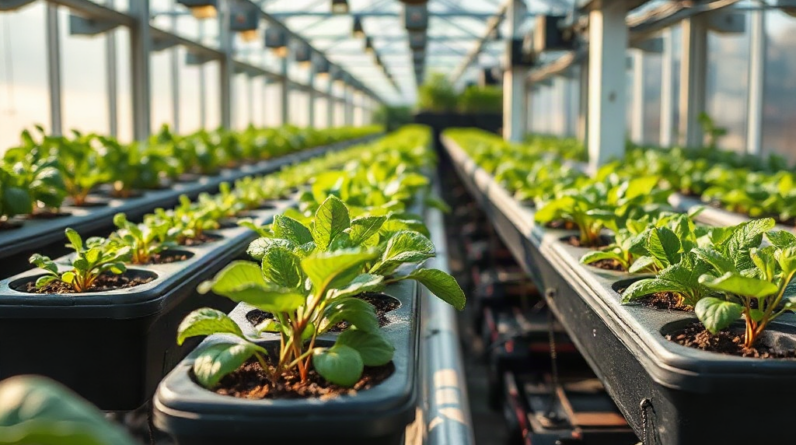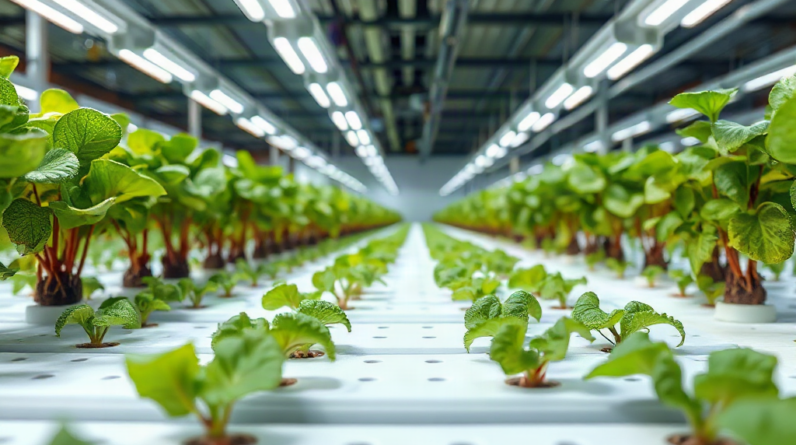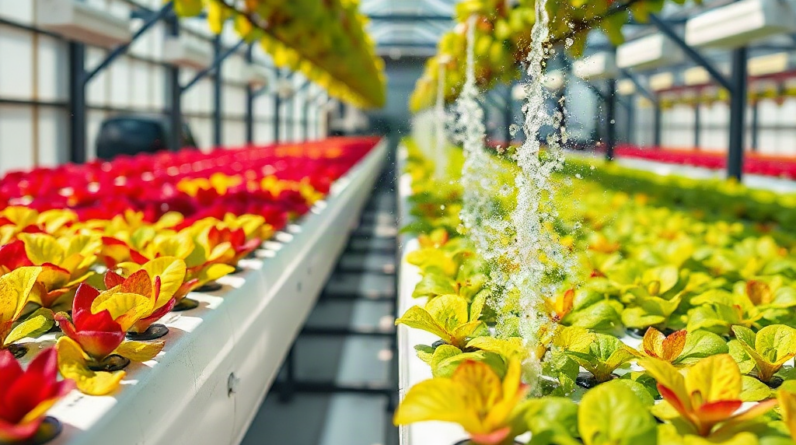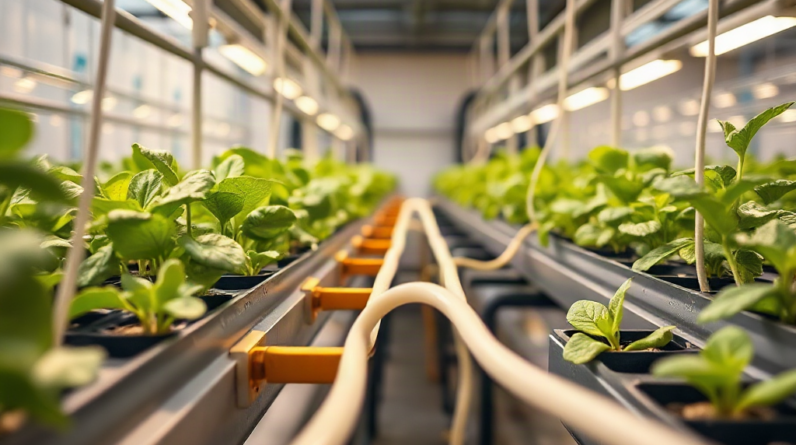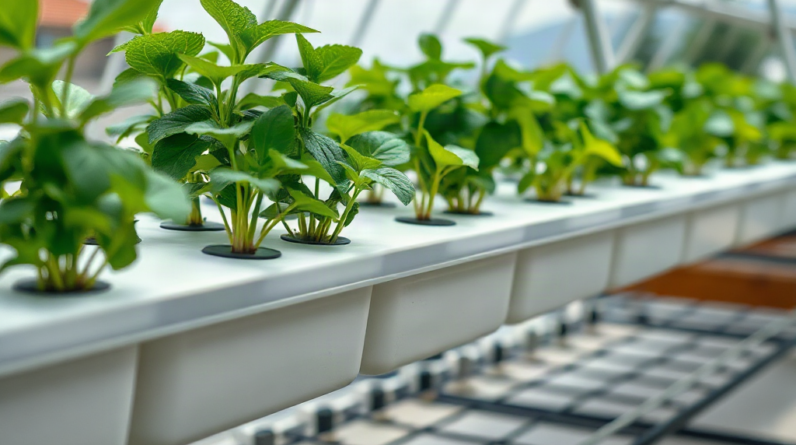
A hydroponic garden tower is an innovative vertical gardening solution that allows you to grow plants without soil, using a nutrient-rich water system instead. This method is particularly beneficial for urban gardeners, as it maximizes yield in small spaces while significantly reducing water consumption—up to 90% less than traditional gardening. When setting up your tower, it's crucial to select plants that thrive in hydroponic systems, such as herbs and leafy greens, and to regularly monitor nutrient levels to ensure optimal growth. Additionally, maintaining proper airflow and light exposure will enhance plant health and productivity.
What Is a Hydroponic Garden Tower?
A hydroponic garden tower is a compact, vertical structure designed for growing plants without soil, utilizing a nutrient-rich water solution. This innovative gardening system allows for efficient use of space, making it particularly suitable for urban environments where traditional gardening may be limited. Hydroponic garden towers can accommodate a variety of plants, including herbs, leafy greens, and even some fruiting plants, offering a versatile solution for home gardeners.
The mechanism behind these towers involves a closed-loop system where water and nutrients are circulated through the plants’ roots, providing them with everything they need to thrive. Using a hydroponic garden tower can significantly enhance the growth rate of plants, as they receive direct access to nutrients and oxygen, promoting healthy development.
Benefits of Using a Hydroponic Garden Tower
Hydroponic garden towers offer numerous advantages over traditional gardening methods. One of the primary benefits is the efficient use of space. By growing plants vertically, you can maximize your yield in a smaller footprint, which is especially advantageous for those with limited outdoor space. Additionally, these systems are often designed for easy access, making maintenance and harvesting more convenient.
Another significant benefit is the reduced water usage. Hydroponic systems typically use up to 90% less water than soil-based gardening, as the water is recirculated rather than lost through evaporation or runoff. This efficiency not only conserves water but also minimizes the need for chemical fertilizers and pesticides, leading to healthier plants and produce.
Setting Up Your Hydroponic Garden Tower
Establishing a hydroponic garden tower involves several key steps. First, select a suitable location that receives adequate sunlight, ideally 6 to 8 hours per day. Next, choose the type of hydroponic system you want to implement, such as nutrient film technique or aeroponics, depending on your preferences and the plants you wish to grow.
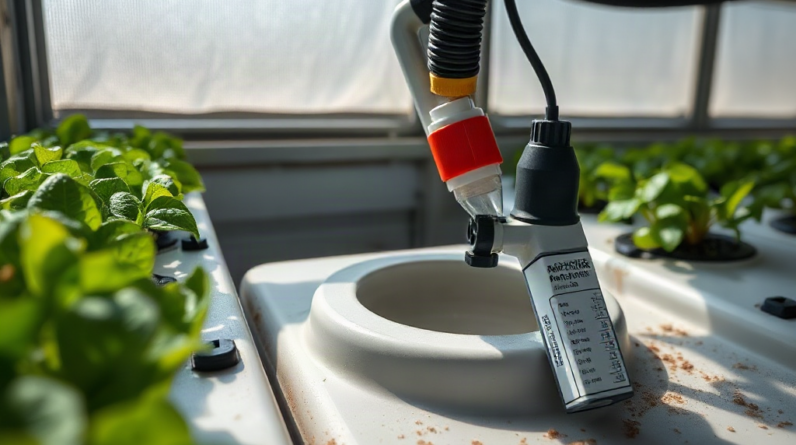
Once you have your system in place, fill the reservoir with a balanced nutrient solution and ensure the pump is functioning correctly. It’s essential to monitor pH levels, as they can significantly affect nutrient absorption. Regularly check and adjust the nutrient solution to maintain optimal conditions for plant growth.
Common Mistakes to Avoid
While hydroponic garden towers can be incredibly rewarding, there are common mistakes that new growers should be aware of. One frequent issue is over-fertilization, which can lead to nutrient burn and hinder plant growth. It’s crucial to follow the recommended nutrient guidelines and adjust based on plant responses.
Another common pitfall is neglecting to monitor water levels and pH. Fluctuations can affect plant health and growth rates. Regular maintenance and monitoring are essential for a successful hydroponic system. Lastly, be careful with plant selection; not all plants are suited for hydroponic growth. Start with easy-to-grow varieties like lettuce or basil before experimenting with more challenging crops.
Frequently Asked Questions
What types of plants can be grown in a hydroponic garden tower?
You can grow a variety of plants including herbs like basil and cilantro, leafy greens such as lettuce and spinach, and even some fruits like strawberries and tomatoes.
How often should I change the nutrient solution?
It is recommended to change the nutrient solution every two to three weeks to ensure plants receive the necessary nutrients and to prevent algae growth.
Do I need special equipment for a hydroponic garden tower?
Yes, a hydroponic garden tower typically requires a water pump, a reservoir for the nutrient solution, and possibly grow lights if natural sunlight is insufficient.
Can I use tap water for my hydroponic garden?
While you can use tap water, it’s best to test the pH and chlorine levels first. Letting tap water sit for 24 hours can help dissipate chlorine.
What is the ideal pH level for hydroponic gardening?
The ideal pH level for most hydroponic plants is between 5.5 and 6.5, which allows for optimal nutrient absorption.
Further Reading
Authoritative Sources
- Hydroponics 101
hydroponics.comA comprehensive resource for beginners to understand hydroponic systems and techniques
- University of Florida Extension
extension.orgOffers research-based information on hydroponics and sustainable gardening practices
- EPA Water Conservation
epa.govInformation on water conservation techniques, relevant for hydroponic gardening
Conclusion
Hydroponic garden towers present a modern solution for urban gardening, allowing for efficient plant growth in limited spaces. By understanding the setup process, benefits, and common pitfalls, you can maximize your gardening success. Focus on selecting the right plants and maintaining optimal nutrient levels for a thriving hydroponic system. With careful attention and practice, your hydroponic garden tower can provide fresh produce year-round, enhancing both your gardening experience and your culinary options.