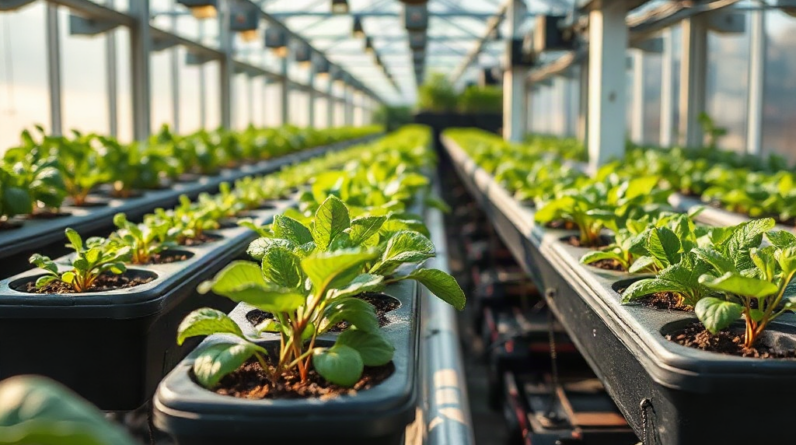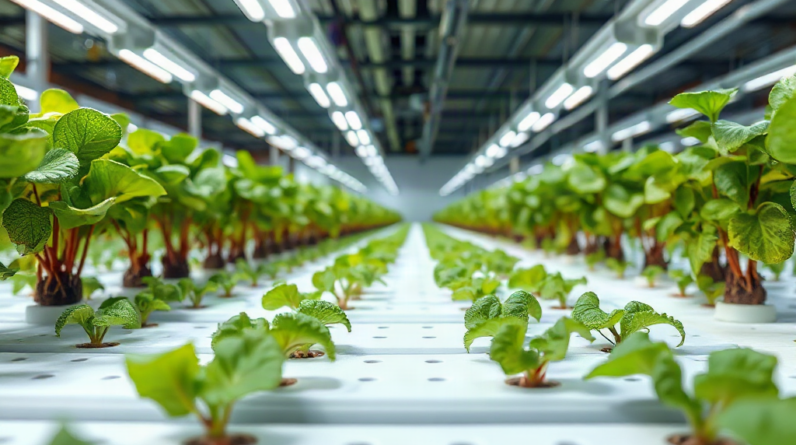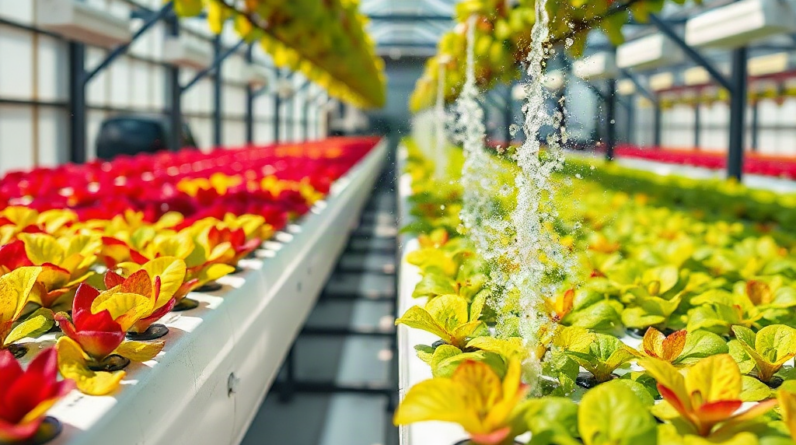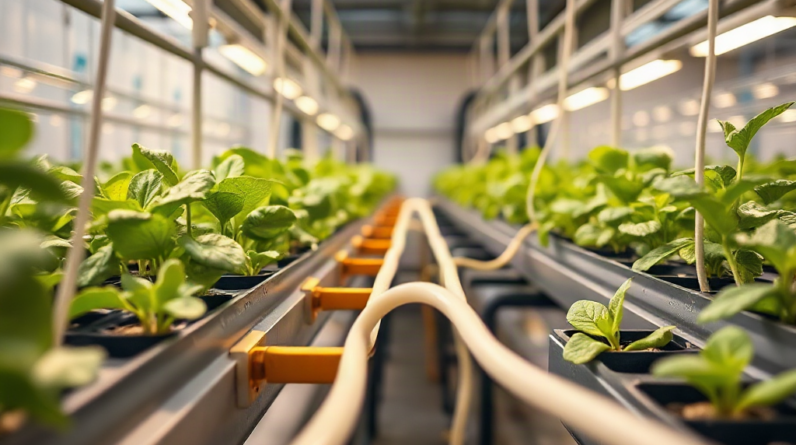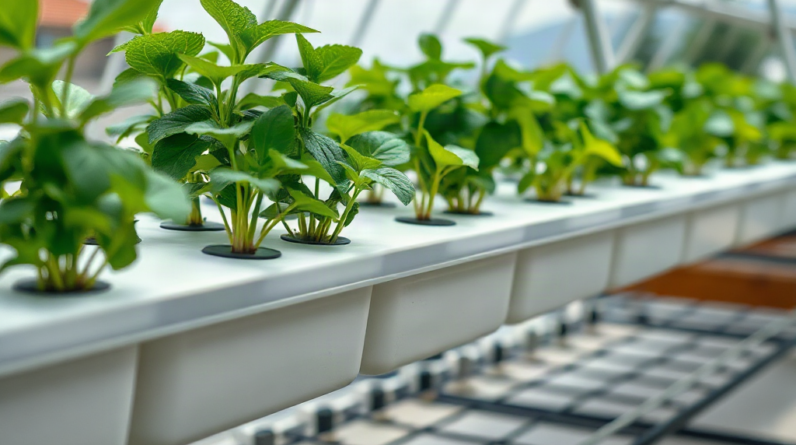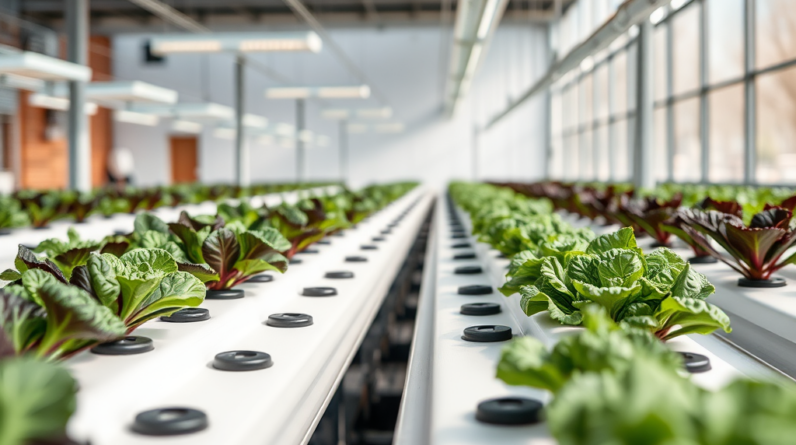
To enhance the yield of your hydroponic garden, prioritize precise nutrient management, optimal lighting, and pH balance. Tailor your nutrient solutions to meet the specific needs of your plants, adjusting concentrations as they grow to avoid issues like nutrient burn. Employ energy-efficient LED grow lights, ensuring they are positioned correctly to prevent leggy growth. Regularly monitor environmental factors such as temperature and humidity to create a stable growing environment. By addressing these elements, you can significantly boost plant health and productivity in your hydroponic system.
Understanding Nutrient Solutions
Nutrient solutions are the lifeblood of hydroponic gardening, providing essential minerals and nutrients directly to the plants. The right mix of macronutrients (like nitrogen, phosphorus, and potassium) and micronutrients (such as iron, manganese, and zinc) is critical for optimal plant growth. Each plant species has its specific nutrient requirements, so it is essential to tailor the solution accordingly.
For instance, leafy greens typically require higher nitrogen levels, while fruiting plants like tomatoes benefit from increased potassium. Regularly testing your nutrient solution can help you adjust concentrations based on the plants’ growth stage. A common mistake is over-fertilizing, which can lead to nutrient burn and stunted growth. Therefore, starting with a diluted solution and gradually increasing it as plants mature is advisable.
Light Requirements for Optimal Growth
Light is fundamental to photosynthesis, and in hydroponics, providing the right light spectrum is crucial. Different growth stages require different light intensities and wavelengths. For example, seedlings thrive under lower light levels, while mature plants often need higher intensity to maximize yield.
LED grow lights are popular in hydroponic setups due to their energy efficiency and customizable spectra. These lights can be adjusted to emit specific wavelengths that promote vegetative growth or flowering. A common error is placing lights too far from the plants, which can lead to leggy growth. Ensuring the correct distance and adjusting the light cycle can significantly enhance growth rates and yields.
Maintaining pH and EC Levels
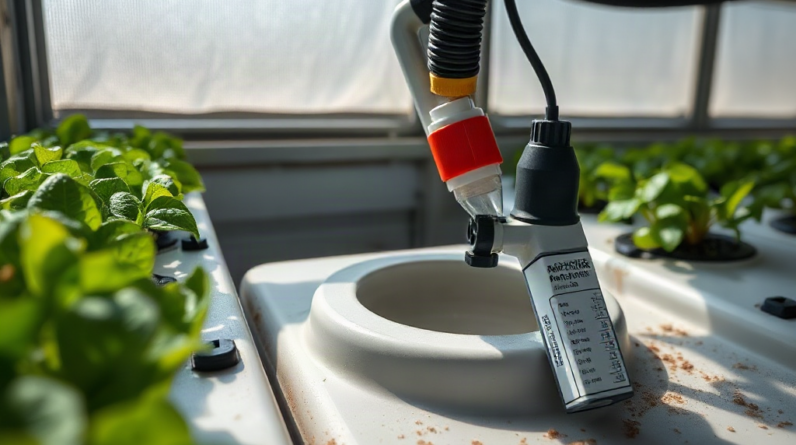
The pH level of your hydroponic system greatly influences nutrient availability. Most plants thrive in a pH range of 5.5 to 6.5. Regularly monitoring and adjusting pH levels is vital, as deviations can lead to nutrient lockout, where plants cannot absorb needed nutrients.
Additionally, Electrical Conductivity (EC) measures the nutrient concentration in the solution. A balanced EC level ensures that plants receive adequate nutrition without overwhelming them. A common mistake is neglecting these measurements, which can lead to poor plant health and reduced yields. Regular testing and adjustments can prevent these issues and maintain an optimal growing environment.
Common Mistakes in Hydroponic Gardening
Even seasoned hydroponic gardeners can fall into traps that hinder yields. One prevalent mistake is not planning for system maintenance. Clogs and pump failures can disrupt nutrient flow, leading to plant stress. Additionally, overlooking pest management in a controlled environment can result in infestations that damage crops.
Another common pitfall is over-reliance on technology without proper understanding. While automated systems can ease labor, they require monitoring to ensure they function correctly. A proactive approach to system checks and pest management can significantly enhance overall productivity and prevent losses.
For those looking to deepen their knowledge of hydroponic gardening, consider exploring resources from agricultural universities or recognized horticultural organizations. They often provide comprehensive guides on nutrient management, pest control, and advanced hydroponic techniques.
Frequently Asked Questions
What are the best nutrients for hydroponic gardening?
The best nutrients vary by plant type but typically include a balanced mix of nitrogen, phosphorus, potassium, and essential micronutrients.
How often should I change the nutrient solution?
Changing the nutrient solution every 1-2 weeks is generally recommended to prevent imbalances and ensure optimal nutrient availability.
Can I use tap water in my hydroponic system?
Tap water can be used, but it's essential to test its pH and EC levels, as contaminants or high mineral content may affect plant health.
What pests should I watch for in hydroponic gardens?
Common pests include aphids, spider mites, and whiteflies. Regular monitoring and integrated pest management strategies are crucial to prevent infestations.
How can I improve air circulation in my hydroponic setup?
Using fans and ensuring adequate spacing between plants can improve air circulation, reducing humidity and preventing mold growth.
Further Reading
Authoritative Sources
- USDA National Institute of Food and Agriculture
nifa.usda.govResearch and extension resources related to agriculture, plants, soil, and food systems
- Extension Foundation Gardening Resources
extension.orgUniversity extension education resources for practical gardening and home agriculture topics
- USDA Natural Resources Conservation Service
nrcs.usda.govSoil, water, conservation, and land management resources for practical growing decisions
Conclusion
Maximizing yields in hydroponic gardening requires a comprehensive understanding of nutrient management, light exposure, and environmental control. Regular monitoring of pH, EC levels, and nutrient solutions, along with a proactive approach to potential issues, can lead to healthier plants and higher yields. By avoiding common mistakes and implementing best practices, gardeners can achieve successful and productive hydroponic systems.