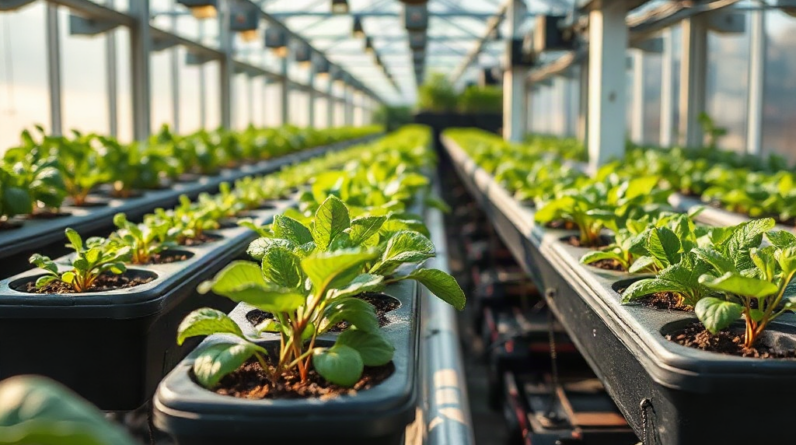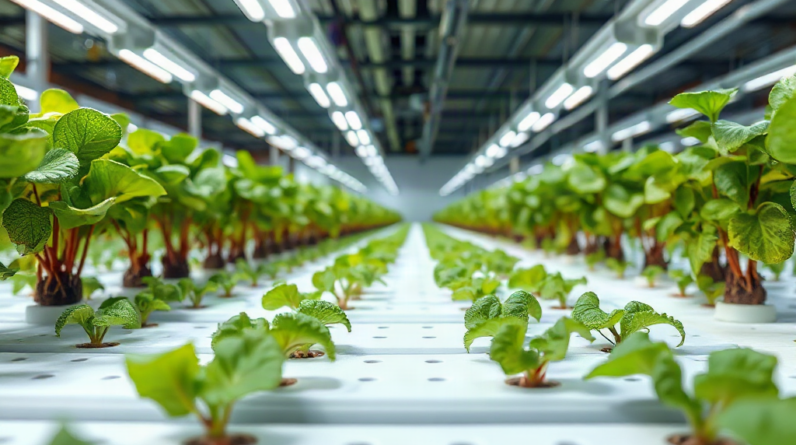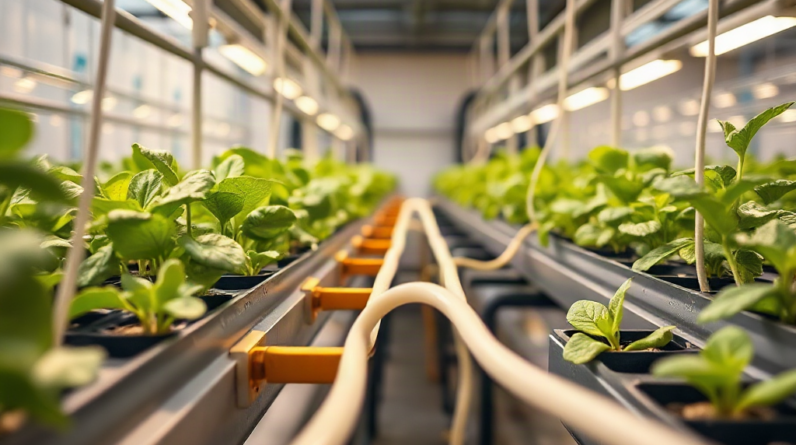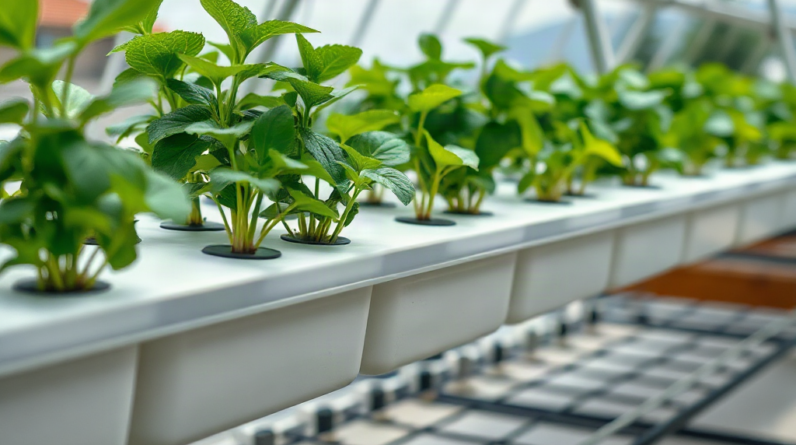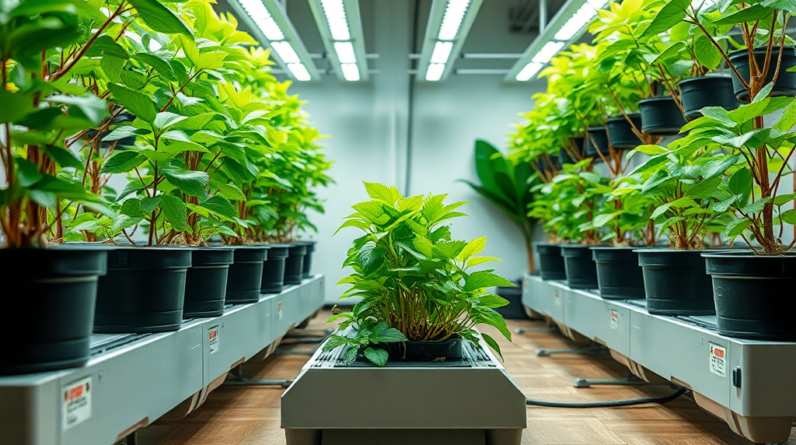
A hydroponic grow light setup requires careful selection of light types, strategic placement, and attention to light exposure for optimal plant growth. LED lights are highly recommended due to their energy efficiency and ability to emit specific light spectrums that cater to different growth stages. Positioning the lights at the correct distance from the plants is essential to prevent overheating and stress, which can hinder growth. Additionally, maintaining the right light intensity and duration can significantly enhance plant health and yield. Avoid common mistakes like using inadequate light types or incorrect placement to ensure a successful hydroponic garden.
Understanding Hydroponic Grow Lights
Hydroponic grow lights are artificial light sources designed to stimulate plant growth by providing the necessary light spectrum that plants require for photosynthesis. These lights are essential in environments where natural sunlight is limited or unavailable, such as indoor gardens or greenhouses. Understanding the different types of grow lights and their functionalities can enhance your hydroponic gardening experience.
The primary function of grow lights is to mimic the sun’s light spectrum, which consists of various wavelengths. Plants primarily use blue and red wavelengths for growth; thus, choosing a light that emits these wavelengths is crucial. Additionally, the intensity and duration of light exposure can significantly impact plant health, yield, and growth rates.
Choosing the Right Type of Grow Light
When setting up a hydroponic grow light system, selecting the appropriate type of grow light is essential. The most common types include LED, fluorescent, and HID (high-intensity discharge) lights. Each type has its advantages and disadvantages, making it important to evaluate them based on your specific needs and budget.
LED lights are favored for their energy efficiency, long lifespan, and low heat output. They can be tailored to emit specific light spectrums, making them suitable for various growth stages. Fluorescent lights are another popular choice, particularly for seedlings and clones, due to their affordability and ease of use. HID lights, while powerful and effective for larger setups, consume more energy and generate more heat, requiring additional cooling solutions.
Optimal Placement of Grow Lights
Proper placement of grow lights is crucial for maximizing light exposure and preventing plant stress. The distance between the light source and the plants depends on the type of light used. For instance, LED lights can be placed closer to plants due to their lower heat output, while HID lights need to be positioned further away to avoid burning the foliage.
Additionally, the angle of the lights can affect how evenly light is distributed across the plants. Using adjustable light fixtures allows you to modify the height and angle as the plants grow. Regularly monitoring plant health can help you determine if adjustments are necessary, ensuring that each plant receives adequate light without overheating.
Common Mistakes in Grow Light Setup
Many new hydroponic gardeners make mistakes when setting up their grow lights, leading to poor plant performance. One common error is underestimating the importance of light spectrum; using lights that do not provide adequate blue and red wavelengths can hinder growth. Another frequent mistake is not adjusting the light height as plants grow, which can lead to light burn or inadequate light exposure.
Additionally, some gardeners overlook the need for timers to regulate light cycles. Plants require a balance of light and darkness; failing to provide this can disrupt their growth patterns. Implementing a reliable timer can help manage light schedules efficiently, promoting healthier plant development.
Frequently Asked Questions
What type of grow light is best for hydroponics?
LED grow lights are often considered the best option due to their energy efficiency, longevity, and ability to emit specific light spectrums tailored to plant needs.
How far should grow lights be from plants?
The distance varies by light type; LED lights can be placed 12-24 inches away, while HID lights should be at least 24-36 inches away from the plants to prevent burning.
How long should I keep grow lights on?
Most plants require 12-18 hours of light per day, depending on their growth stage. A timer can help maintain consistent light cycles.
Can I use regular light bulbs for hydroponics?
While regular light bulbs can provide some light, they are not efficient for plant growth. Specialized grow lights are recommended for optimal results.
What are the signs of too much light for plants?
Signs include leaf burn, wilting, or yellowing leaves. Adjusting the light distance or duration can help alleviate these issues.
Further Reading
For more in-depth information about hydroponic grow light setups, consider exploring the following resources:
Authoritative Sources
- USDA Agricultural Research Service
usda.govA comprehensive resource for understanding agricultural practices, including hydroponics
- The Cooperative Extension System
extension.orgProvides research-based information on various gardening techniques and light requirements
- Gardening Know How
gardeningknowhow.comOffers practical tips and advice for hydroponic gardening setups and light management
Conclusion
Setting up a hydroponic grow light system is critical for the success of indoor gardening. Understanding the types of lights, their placement, and common mistakes can lead to healthier plants and better yields. Prioritize selecting the right type of grow light based on your specific needs, and ensure proper placement to maximize light exposure while avoiding common pitfalls. Regular monitoring and adjustments will help maintain optimal conditions for your hydroponic garden.