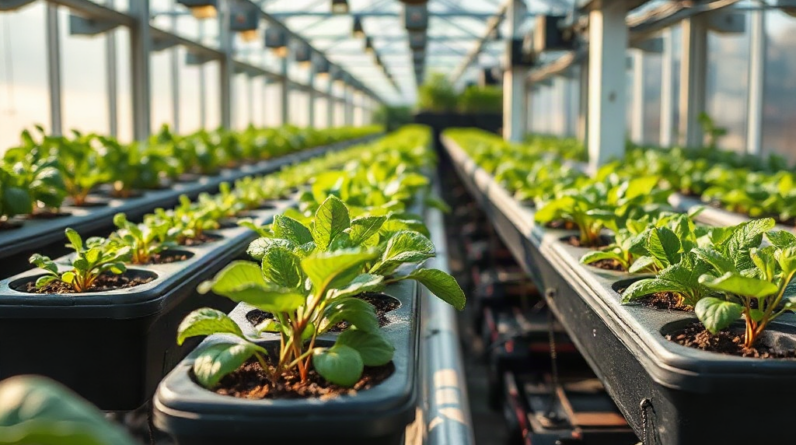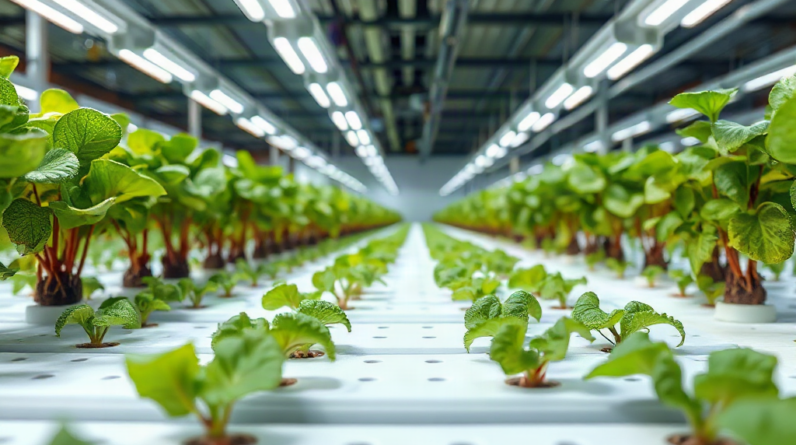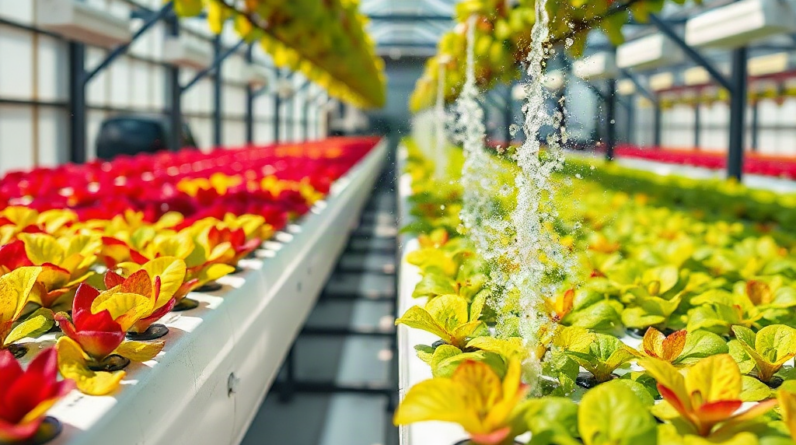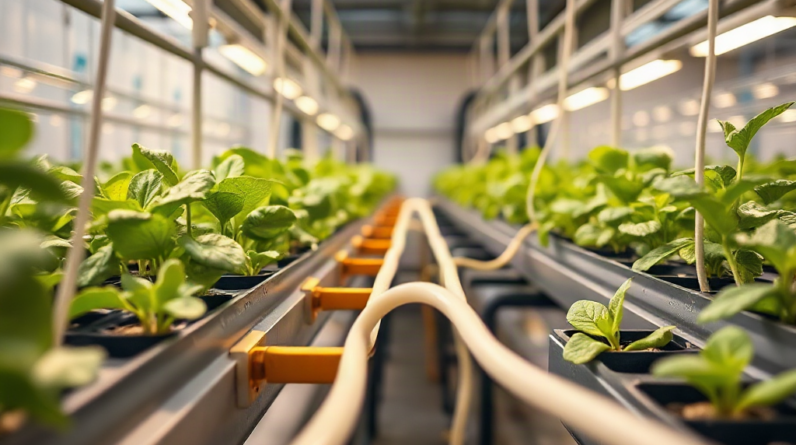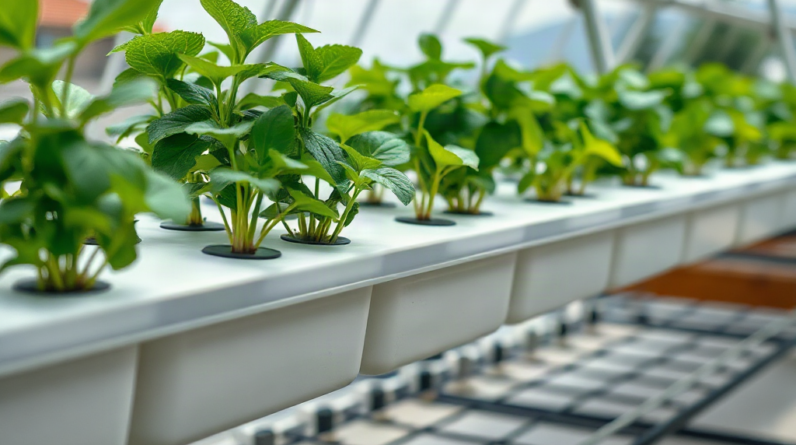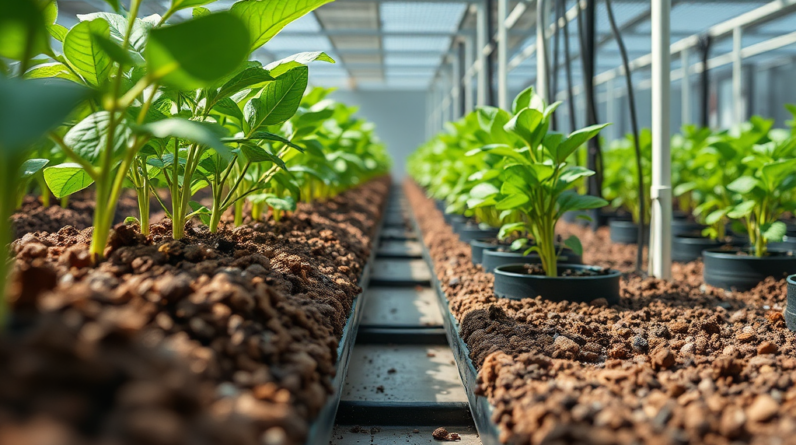
Hydroponic growing media are crucial for supporting plants in soilless systems, influencing both growth and yield. Selecting the right substrate, such as rock wool for its aeration or coco coir for moisture retention, can significantly enhance plant health. It's essential to consider the specific needs of your plants; for instance, while perlite improves drainage, it lacks nutrient retention and may require mixing with other media. Avoid common mistakes like using a single type of media without understanding its properties, as this can lead to issues like root rot or nutrient deficiencies. Properly chosen media not only fosters healthy root systems but also optimizes overall plant performance.
Understanding Hydroponic Growing Media
Hydroponic growing media serve as the foundation for plant growth in soilless systems, providing essential support, moisture retention, and nutrient delivery. Unlike traditional soil, these media allow for better control over environmental conditions, leading to healthier plant development. Understanding the characteristics of various substrates is vital for optimizing plant health and maximizing yields.
In hydroponics, the medium must facilitate good drainage while retaining enough moisture and nutrients for the plants. This balance helps prevent root rot and ensures that plants receive the necessary elements for growth. The choice of growing media can significantly influence the success of your hydroponic system.
Types of Hydroponic Growing Media
There are several types of hydroponic growing media, each with distinct properties that cater to different hydroponic setups and plant types. The most common options include:
- Rock Wool: Made from molten rock spun into fibers, rock wool provides excellent aeration and water retention. It’s ideal for seedlings and young plants but requires careful handling due to its high pH.
- Coco Coir: Derived from coconut husks, coco coir is a sustainable option that offers good drainage and moisture retention. It is often blended with other media to enhance its properties.
- Perlite: A lightweight volcanic glass, perlite improves aeration and drainage, making it a popular choice for many hydroponic systems. However, it does not hold nutrients well and is often mixed with other media.
- Vermiculite: Similar to perlite, vermiculite retains moisture and nutrients effectively. It is often used in combination with other media to balance water retention and aeration.
- Hydroton (Expanded Clay Pellets): These lightweight, round pellets provide excellent drainage and aeration. They are reusable and can be used in various hydroponic systems.
Selecting the Right Growing Media for Your Plants
Choosing the right hydroponic growing media depends on the specific needs of the plants you intend to grow. Factors to consider include the water retention capability, aeration, and nutrient-holding capacity of the media. For example, plants that require more moisture, like leafy greens, may thrive in coco coir or rock wool, while those needing excellent drainage, such as herbs, may do better in perlite or hydroton.
Additionally, consider the pH and electrical conductivity (EC) of the growing media. Some media, like rock wool, have a higher pH and may require buffering before planting. Testing the water and nutrient solution regularly will help ensure that the plants receive the optimal conditions for growth.
Common Mistakes in Choosing Hydroponic Media
One common mistake is selecting a growing medium without understanding its properties and how they interact with the specific plants being grown. For instance, using a media that retains too much moisture can lead to root rot, while one that drains too quickly may result in nutrient deficiencies.
Another frequent error is failing to adjust the nutrient solution based on the media used. Each medium has different nutrient-holding capacities, which can affect how much fertilizer is needed. Regular monitoring of pH and nutrient levels is crucial for maintaining healthy plant growth.
Frequently Asked Questions
What is hydroponic growing media?
Hydroponic growing media are substrates used to support plants in soilless systems, providing moisture, aeration, and nutrients.
How do I choose the right growing media for my plants?
Consider the water retention, aeration, and nutrient-holding capacity of the media, as well as the specific needs of the plants.
Can I reuse hydroponic growing media?
Yes, some media like expanded clay pellets can be reused, but it's important to clean and sterilize them to prevent disease.
What are the most common types of hydroponic media?
Common types include rock wool, coco coir, perlite, vermiculite, and expanded clay pellets.
What mistakes should I avoid when using hydroponic media?
Avoid choosing media without understanding its properties and failing to monitor pH and nutrient levels.
Further Reading
Authoritative Sources
Authoritative Sources
- Hydroponics 101
hydroponics.comA comprehensive resource on hydroponic systems and growing media
- Gardening Know How
gardeningknowhow.comOffers insights on various growing media and their applications in hydroponics
- American Hydroponics
americanhydroponics.comProvides detailed information on hydroponic growing techniques and media options
Conclusion
Choosing the right hydroponic growing media is crucial for successful plant growth in soilless systems. By understanding the properties of various substrates, you can select the most suitable option for your specific plants, ensuring optimal moisture retention and nutrient availability. Regular monitoring and adjustment of nutrient solutions based on the chosen media will further enhance plant health and yield. Prioritize these factors to achieve a thriving hydroponic garden.