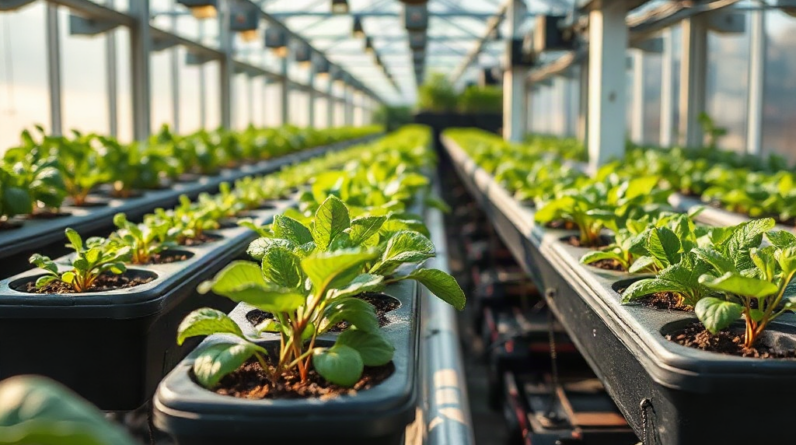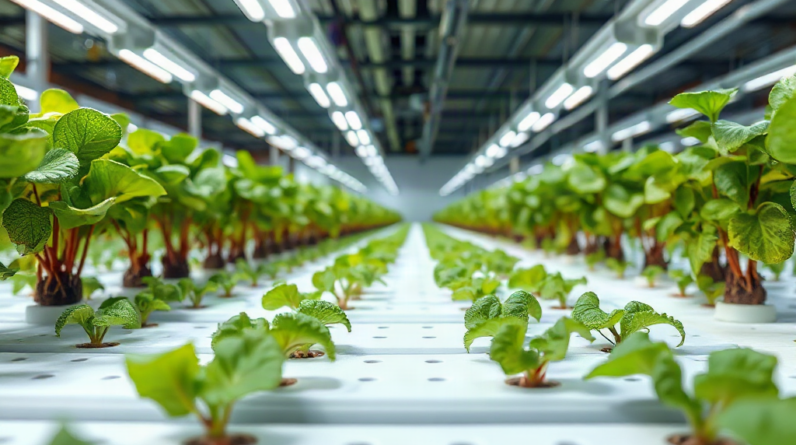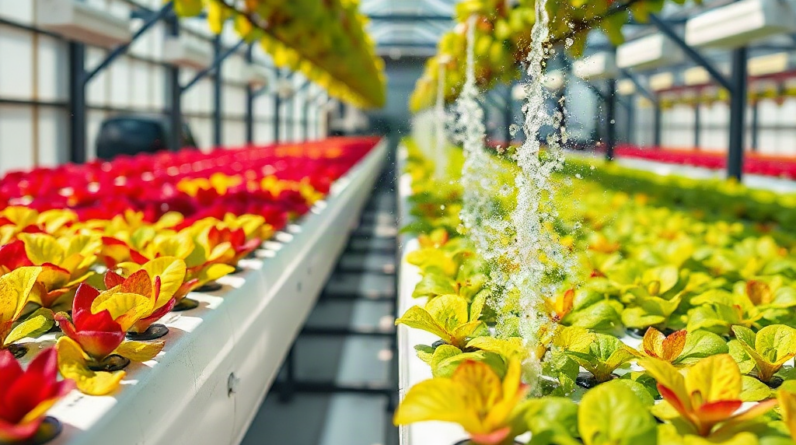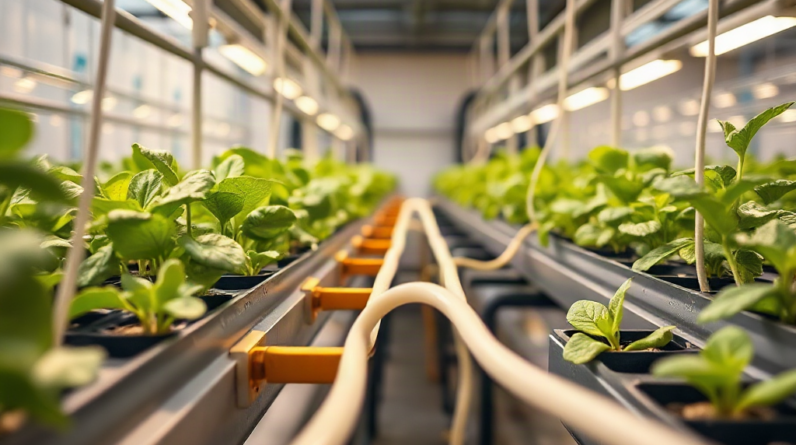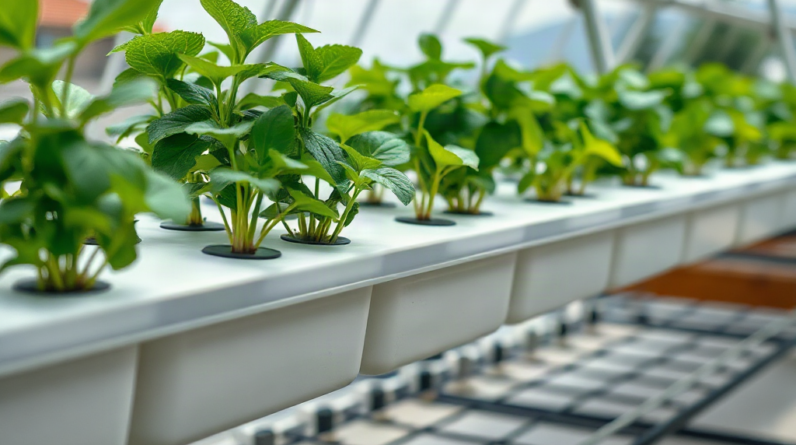
A hydroponic growing tent serves as an ideal solution for indoor gardening, allowing you to cultivate plants in a controlled environment without soil. These tents are designed to optimize conditions such as temperature, humidity, and light exposure, which are essential for plant growth. By utilizing reflective materials and proper ventilation systems, these tents can significantly enhance the yield and health of your plants.
One of the primary benefits of using a hydroponic growing tent is the ability to create a microclimate tailored specifically for your plants. This means you can control factors like light cycles and nutrient delivery, leading to faster growth rates compared to traditional soil gardening. However, it’s important to monitor the internal conditions regularly, as mistakes in humidity or temperature can quickly impact plant health.
When choosing a hydroponic growing tent, consider the size and layout that best fits your available space and the types of plants you intend to grow. Larger tents may accommodate more plants, but they also require more resources in terms of lighting and ventilation. Additionally, ensure the materials used in the tent are durable and lightproof to prevent any light leakage that could disrupt your plants’ growth cycles.
Choosing the Right Size for Your Hydroponic Growing Tent
Choosing the appropriate size for your hydroponic growing tent is crucial for maximizing your gardening potential. A tent that is too small may limit plant growth and yield, while a tent that is too large can lead to inefficient use of resources. Consider the number of plants you wish to grow and their respective sizes at maturity to determine the best dimensions for your tent.
Additionally, the tent’s height is important for accommodating taller plants. If you plan to grow varieties that can reach significant heights, ensure that your tent has enough vertical space. It’s also wise to leave room for equipment such as lights and ventilation systems, which may require additional headspace. Ultimately, balancing size with the available space in your home will lead to a more successful indoor garden.
Essential Equipment for Your Hydroponic Growing Tent
To optimize your hydroponic growing tent, you will need specific equipment that supports plant growth. Key components include grow lights, a hydroponic system (such as deep water culture or nutrient film technique), and a ventilation system. Grow lights are essential, as they replicate sunlight and promote photosynthesis, while a reliable hydroponic system ensures efficient nutrient delivery to your plants.
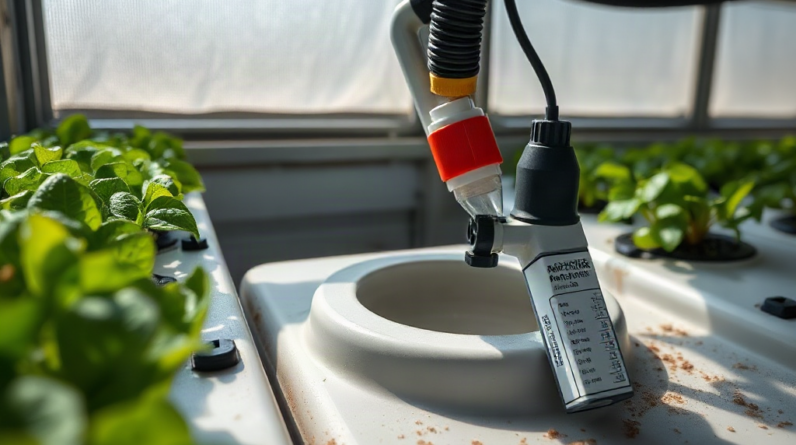
In addition to lights and hydroponic systems, proper ventilation is critical for maintaining air circulation and temperature control. Fans can help regulate humidity levels, preventing mold growth and ensuring your plants receive adequate carbon dioxide. Investing in a quality thermometer and hygrometer will also allow you to monitor environmental conditions effectively, ensuring your plants thrive.
Common Mistakes to Avoid in Hydroponic Gardening
Even experienced gardeners can make mistakes in hydroponic gardening that affect plant health and yield. One common error is overwatering, which can lead to root rot and other issues. It’s essential to find the right balance in your nutrient solution and watering schedule, as plants in hydroponic systems do not require as much water as those grown in soil.
Additionally, many growers underestimate the importance of light. Insufficient light can stunt plant growth and reduce yields, so ensure your grow lights are appropriately positioned and of the correct intensity. Monitoring pH levels is also crucial, as fluctuations can negatively impact nutrient absorption. Regular testing and adjustments can help maintain optimal conditions.
Maintaining Optimal Conditions in Your Tent
Maintaining optimal conditions in your hydroponic growing tent is vital for ensuring a successful harvest. Regularly check temperature and humidity levels to create a stable environment. Most plants thrive in temperatures between 70-85°F (21-29°C) and humidity levels around 40-60%. Consider using a hygrometer and thermometer to keep track of these factors.
In addition, ensure your ventilation system is functioning properly to prevent heat buildup and promote airflow. Proper air circulation helps prevent mold and mildew, which can devastate your plants. Implementing a consistent light schedule is also essential; most plants require 12-18 hours of light per day, depending on their growth stage. Keeping a journal of your plants’ growth and conditions can help you identify patterns and make necessary adjustments.
Frequently Asked Questions
What is a hydroponic growing tent?
A hydroponic growing tent is a specialized enclosure designed to provide optimal growing conditions for plants without soil, utilizing controlled lighting, temperature, and humidity.
How do I choose the right size for my tent?
Consider the number of plants you want to grow and their mature sizes; ensure the tent has enough space for both the plants and necessary equipment.
What equipment do I need for a hydroponic growing tent?
Essential equipment includes grow lights, a hydroponic system, fans for ventilation, and tools to monitor temperature and humidity.
What common mistakes should I avoid?
Common mistakes include overwatering, insufficient lighting, and neglecting to monitor pH levels, which can negatively affect plant health.
How can I maintain optimal conditions in my tent?
Regularly check temperature and humidity levels, ensure proper ventilation, and maintain a consistent light schedule to promote healthy plant growth.
Conclusion
In summary, utilizing a hydroponic growing tent can greatly enhance your indoor gardening experience by providing a controlled environment that fosters plant growth. Prioritizing the right size, essential equipment, and maintaining optimal conditions are key factors that contribute to success. By avoiding common mistakes and monitoring your plants closely, you can achieve a productive and rewarding hydroponic gardening experience. Start by assessing your space and selecting the right tent, and you’ll be well on your way to thriving indoor plants.