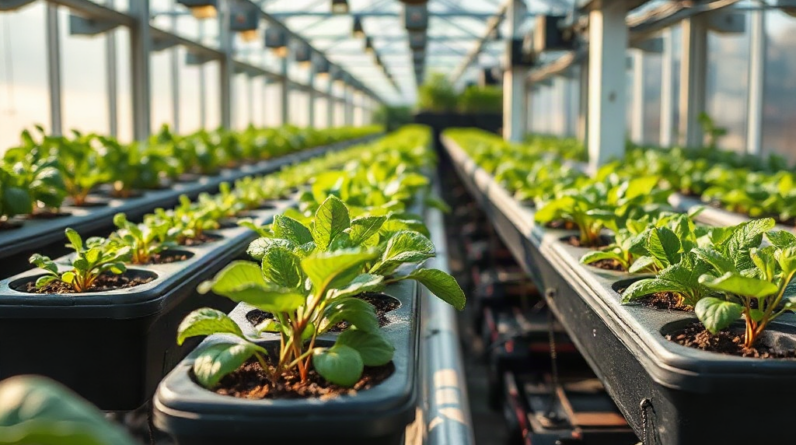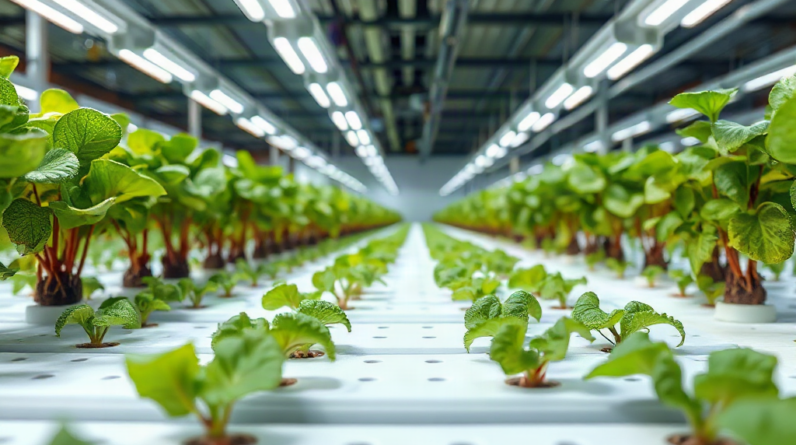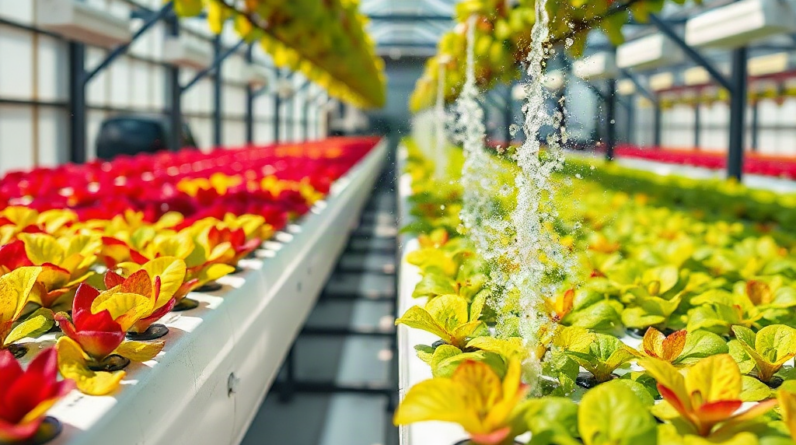
Hydroponic herbs for kitchen use are ideal for providing fresh and flavorful ingredients right at home. Popular varieties include basil, cilantro, parsley, and mint, each offering unique culinary benefits. To successfully grow these herbs, focus on maintaining proper light exposure and nutrient balance, which are essential for optimal growth. A common mistake is overwatering, which can lead to root rot; instead, ensure your system has adequate drainage. By carefully monitoring these conditions, you can enjoy a continuous supply of vibrant herbs for your culinary creations.
Popular Hydroponic Herbs for the Kitchen
Hydroponic herbs are a fantastic addition to any kitchen, providing fresh flavors and nutritional benefits. Some of the most popular varieties include basil, cilantro, parsley, and mint. Each of these herbs has distinct culinary uses and growing requirements, making them ideal candidates for hydroponic cultivation.
Basil is often favored for its aromatic leaves, perfect for Italian dishes and pesto. Cilantro, known for its fresh flavor, is essential in many Asian and Latin American cuisines. Parsley serves as both a garnish and flavor enhancer, while mint adds a refreshing touch to beverages and desserts. By growing these herbs hydroponically, you can ensure a continuous supply of fresh ingredients right at your fingertips.
Setting Up Your Hydroponic System
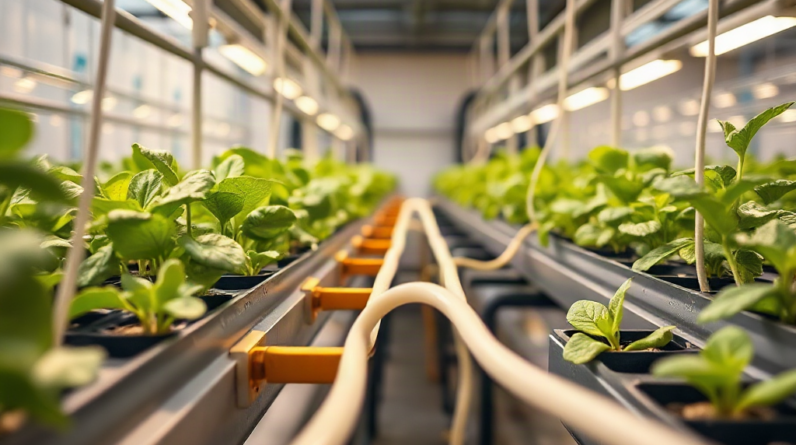
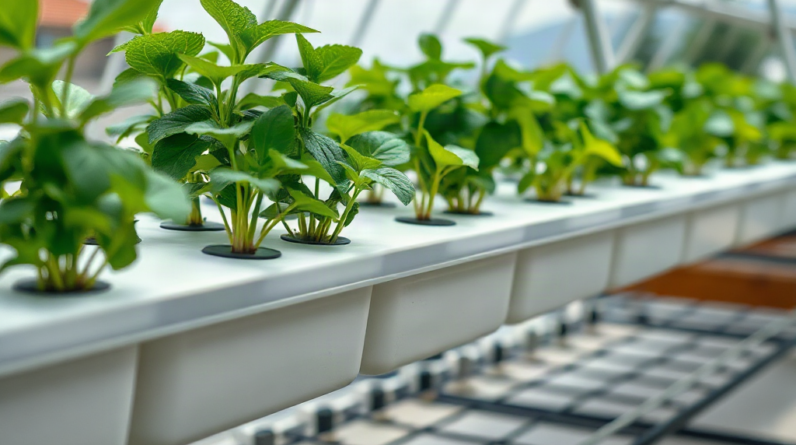
To successfully grow hydroponic herbs, selecting the right system is crucial. There are several types of hydroponic systems, including deep water culture, nutrient film technique, and aeroponics. Each system has its advantages; for beginners, deep water culture is often recommended due to its simplicity and effectiveness.
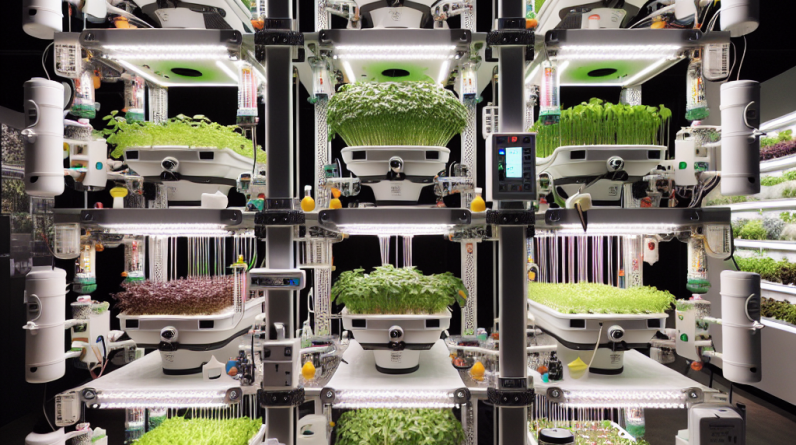
When setting up your hydroponic system, consider the space available and the number of herbs you wish to grow. Make sure to include a reservoir for nutrient solution, a pump for water circulation, and appropriate lighting, especially if growing indoors. Proper setup will lead to healthier plants and better yields.
Optimal Growing Conditions for Hydroponic Herbs
Hydroponic herbs thrive under specific environmental conditions. Light is a crucial factor; most herbs require 12 to 16 hours of light each day, which can be provided by LED grow lights or fluorescent tubes. Additionally, maintaining the right temperature (ideally between 65°F to 75°F) and humidity levels (40% to 60%) is essential for optimal growth.
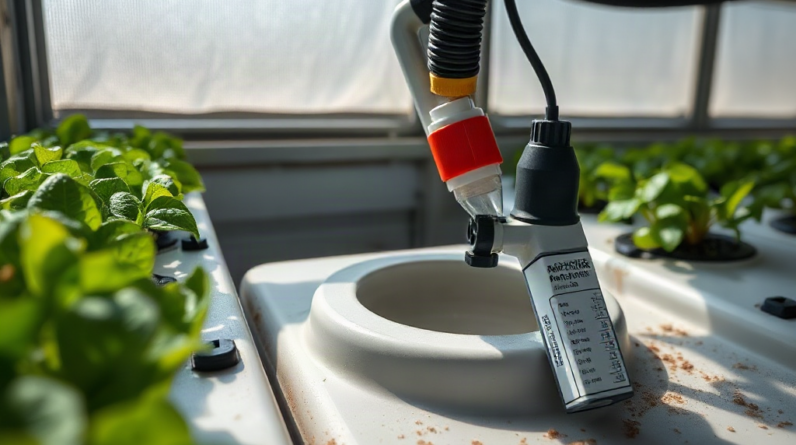
Nutrient balance is another critical aspect. Hydroponic systems rely on nutrient solutions to provide plants with essential minerals. Ensure that the nutrient solution is well-formulated for the specific herbs you are growing. Regular monitoring of pH levels (ideally between 5.5 and 6.5) will help maintain a healthy growing environment.
Common Mistakes to Avoid
Even experienced growers can make mistakes when cultivating hydroponic herbs. One common issue is overwatering, which can lead to root rot and other diseases. Ensure your system has adequate drainage and avoid keeping the roots submerged for too long.
Another mistake is neglecting light requirements. Insufficient light can lead to weak, spindly plants. Always provide the recommended light exposure, adjusting as plants grow. Lastly, be cautious with nutrient concentrations; too much can harm plants, while too little may stunt growth. Regularly check and adjust nutrient levels for the best results.
Frequently Asked Questions
What are the best herbs to grow hydroponically?
Popular herbs for hydroponic growth include basil, cilantro, mint, and parsley due to their fast growth and culinary versatility.
How often should I change the nutrient solution?
It's recommended to change the nutrient solution every 1-2 weeks to prevent nutrient imbalances and maintain plant health.
Can I grow herbs without a hydroponic system?
Yes, herbs can be grown in soil or containers, but hydroponics offers faster growth and higher yields.
What lighting is best for growing hydroponic herbs?
LED grow lights are ideal as they provide the necessary spectrum for plant growth while being energy-efficient.
How can I prevent pests in my hydroponic garden?
Regular monitoring and using organic pest control methods can help prevent infestations in hydroponic systems.
Further Reading
Authoritative Sources
- USDA Hydroponic Resources
usda.govThis resource offers comprehensive guidelines and research on hydroponic systems and their benefits
- Hydroponics and Its Applications
ncbi.nlm.nih.govExplore scientific studies on hydroponics and its effectiveness in various agricultural practices
- University Extension Services
extension.orgFind practical tips and research-backed advice on hydroponic gardening from various universities
Conclusion
Growing hydroponic herbs for your kitchen not only provides fresh ingredients but also fosters a rewarding gardening experience. By selecting popular herbs, understanding the setup of your hydroponic system, and maintaining optimal conditions, you can enjoy a bountiful harvest. Avoiding common mistakes will further enhance your success. Start your hydroponic journey today and elevate your culinary creations with homegrown flavors.