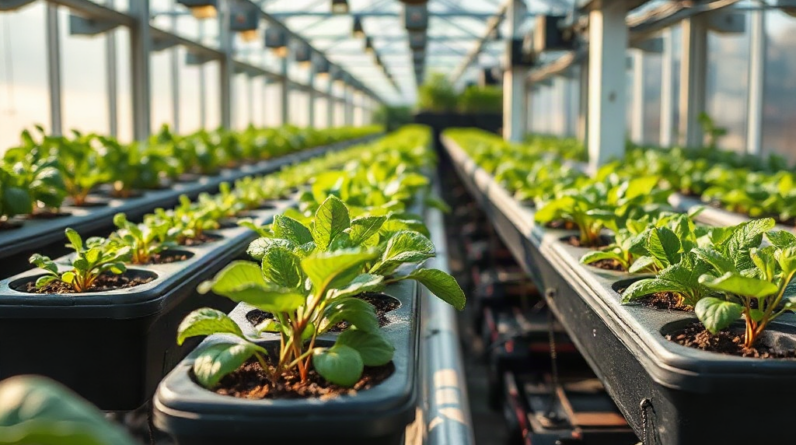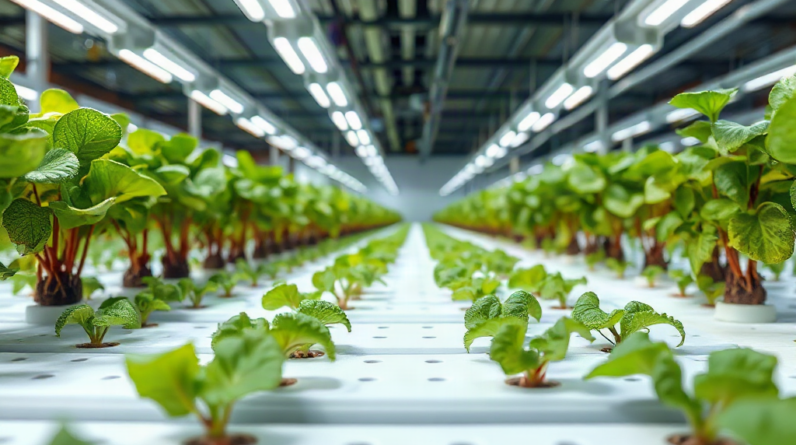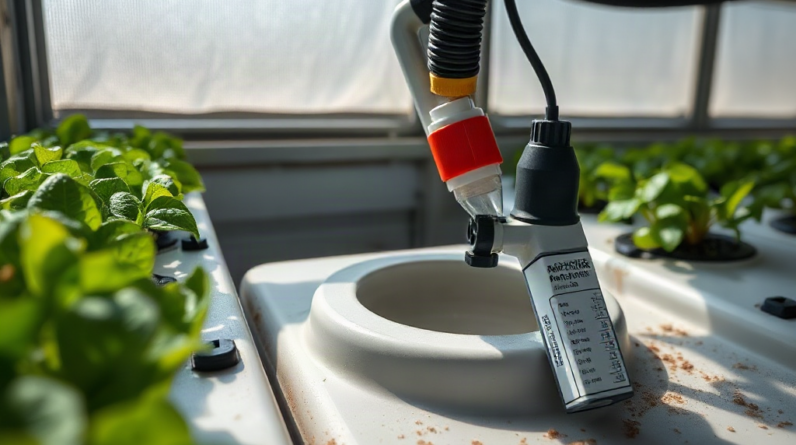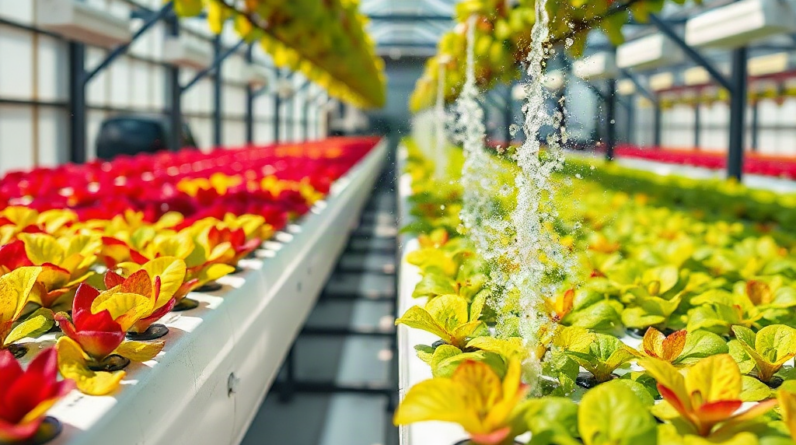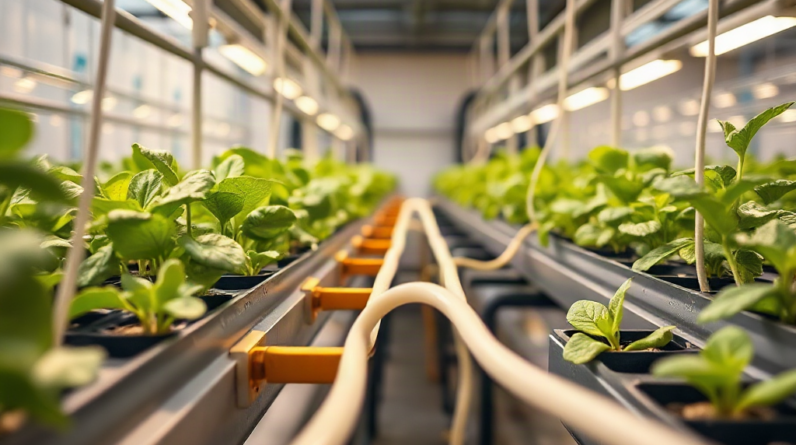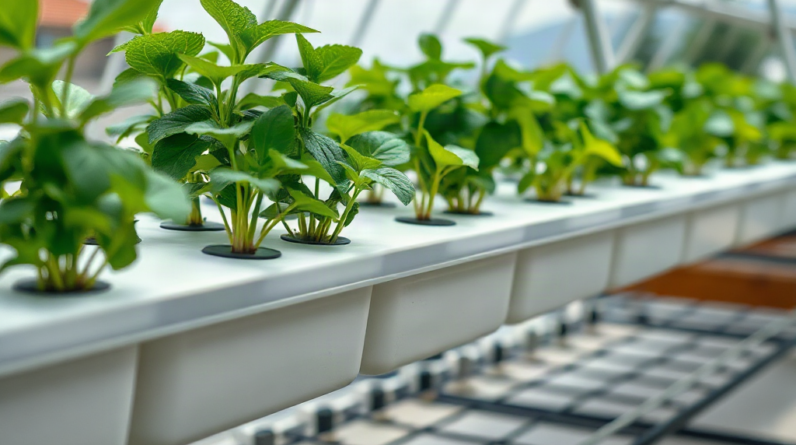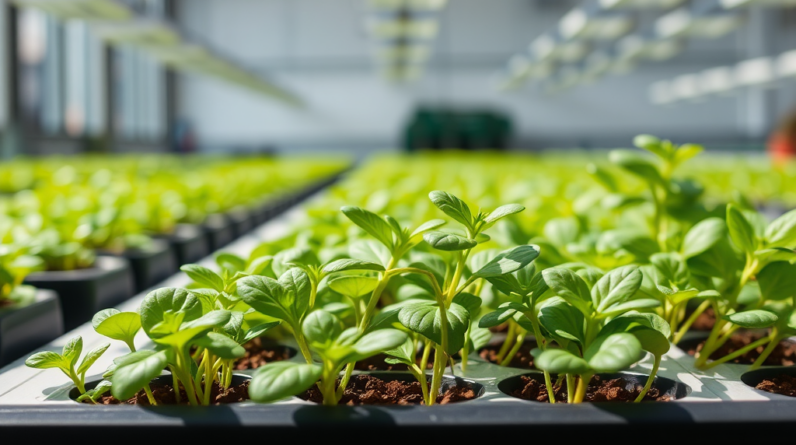
A hydroponic plant nutrient mix is essential for providing plants with the nutrients they need to grow without soil. This mix typically includes macronutrients like nitrogen, phosphorus, and potassium, along with vital micronutrients such as iron and magnesium. To optimize plant growth, it's important to tailor the nutrient mix to the specific needs of the plants; for example, leafy greens benefit from higher nitrogen levels, while fruiting plants require more phosphorus and potassium. A common mistake is using a one-size-fits-all approach, which can lead to nutrient deficiencies or imbalances. Regularly monitoring and adjusting the nutrient solution ensures healthy plant development and maximizes yield.
Understanding Hydroponic Nutrient Mixes
A hydroponic plant nutrient mix is vital for growing plants without soil, as it provides all the essential nutrients directly to the plant roots. In a hydroponic system, plants absorb nutrients from the water solution, which must be carefully balanced to promote growth. The significance of these nutrient mixes cannot be overstated, as they directly influence plant health, growth rates, and overall yield.
The composition of a hydroponic nutrient mix typically includes macronutrients such as nitrogen (N), phosphorus (P), and potassium (K), as well as micronutrients like iron (Fe), manganese (Mn), and zinc (Zn). Understanding the role of each nutrient helps in tailoring the mix to the specific needs of the plants being cultivated. For instance, leafy greens may thrive on a nutrient mix higher in nitrogen, while fruiting plants often require more phosphorus and potassium.
Key Nutrients for Hydroponic Plants
Hydroponic plants require a variety of nutrients to grow efficiently. The primary macronutrients include nitrogen, phosphorus, and potassium, often referred to as NPK. Nitrogen supports leaf growth and overall plant vigor, phosphorus is crucial for root development and flower production, and potassium enhances overall plant health and stress resistance.
In addition to these macronutrients, calcium and magnesium are also essential. Calcium strengthens cell walls and aids in root development, while magnesium is vital for chlorophyll production and photosynthesis. Micronutrients, although required in smaller amounts, play critical roles in plant metabolism and development. These include iron, which is essential for chlorophyll synthesis; manganese, which aids in photosynthesis; and boron, which is important for cell division.
Creating Your Own Hydroponic Nutrient Mix
Creating a custom hydroponic nutrient mix can be an effective way to ensure your plants receive the exact nutrients they need. Start by selecting high-quality nutrient salts that contain the essential macronutrients and micronutrients. Common sources include calcium nitrate for calcium and nitrogen, potassium sulfate for potassium, and magnesium sulfate (Epsom salt) for magnesium.
When formulating your mix, it’s important to consider the specific growth stage of your plants. For instance, seedlings may require a different nutrient balance compared to mature plants. Experimenting with different ratios and monitoring plant responses can help you fine-tune your nutrient solution. Additionally, regularly testing the pH and electrical conductivity (EC) of your nutrient solution is crucial for maintaining an optimal growing environment.
Common Mistakes with Nutrient Mixing
One of the most common mistakes in hydroponic gardening is over-fertilization, which can lead to nutrient burn and damage to plant roots. It’s essential to follow recommended guidelines for nutrient concentrations and to adjust based on the specific needs of your plants.
Another frequent issue is neglecting to monitor pH levels. The pH of your nutrient solution can significantly affect nutrient availability; for most hydroponic plants, a pH range of 5.5 to 6.5 is ideal. Regular testing and adjustments are necessary to ensure that plants can effectively absorb nutrients. Additionally, using poor-quality nutrient sources can introduce contaminants that harm plant health, so sourcing reputable products is critical.
Frequently Asked Questions
What is a hydroponic plant nutrient mix?
A hydroponic plant nutrient mix is a solution containing essential nutrients needed for plant growth, including macronutrients and micronutrients.
How do I know if my nutrient mix is balanced?
Regularly test the pH and EC levels of your nutrient solution to ensure it matches the recommended ranges for the plants you are growing.
Can I use regular fertilizer for hydroponics?
While some regular fertilizers can be used, it's best to use fertilizers specifically formulated for hydroponics to avoid imbalances and potential harm to plants.
How often should I change my nutrient solution?
Change your nutrient solution every 1-2 weeks or whenever you notice a significant drop in nutrient levels or changes in plant health.
What are the signs of nutrient deficiency in plants?
Signs of nutrient deficiency may include yellowing leaves, stunted growth, and poor fruit or flower production.
Further Reading
Authoritative Sources
- Hydroponics.net
hydroponics.netA comprehensive resource for hydroponic gardening, including nutrient solutions and best practices
- NIH National Library of Medicine
ncbi.nlm.nih.govResearch articles on plant nutrition and hydroponic systems for deeper insights
- eXtension
extension.orgUniversity-based resource offering expert advice on hydroponics and plant nutrition
Conclusion
Understanding the composition and function of a hydroponic plant nutrient mix is essential for successful hydroponic gardening. By selecting the right nutrients and maintaining proper balance, growers can maximize plant health and yield. Regular monitoring and adjustment of nutrient solutions ensure that plants receive the necessary elements for growth, while avoiding common pitfalls like over-fertilization and pH imbalance. As you refine your approach, you’ll find the optimal nutrient mix that supports your specific hydroponic system.