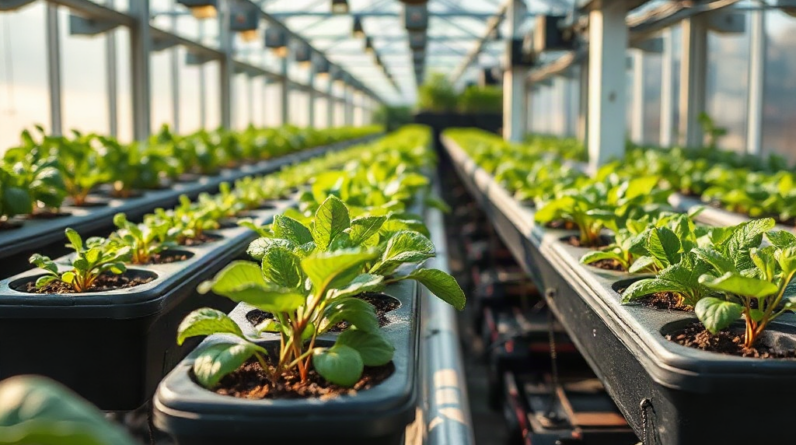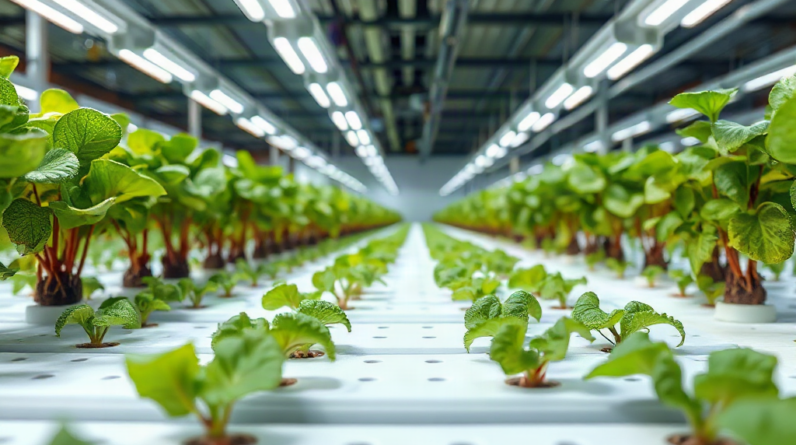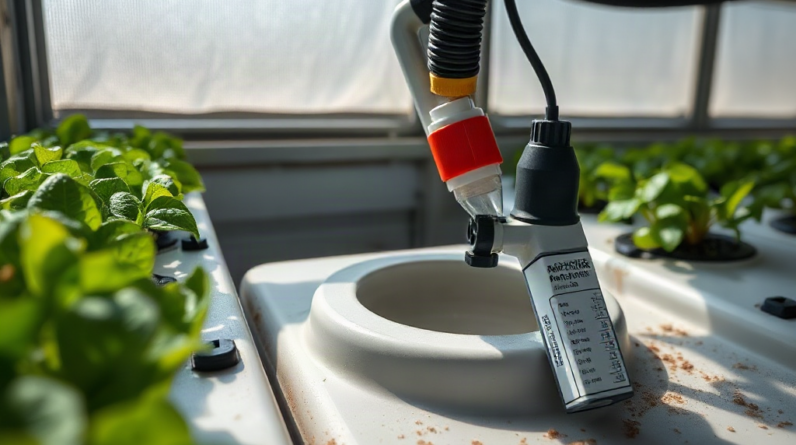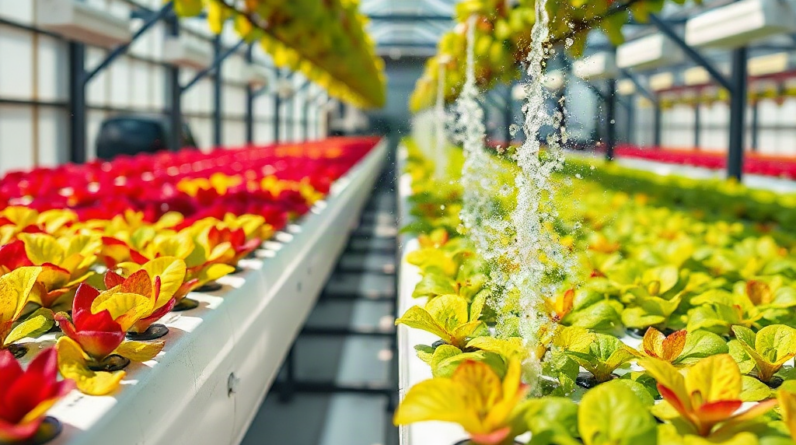
Effective management of a hydroponic water reservoir is essential for promoting healthy plant growth. Key aspects include maintaining optimal pH levels between 5.5 and 6.5, which directly influences nutrient availability. Regularly testing nutrient concentration with a TDS meter ensures plants receive the necessary nourishment. Additionally, keeping water temperature within the ideal range and ensuring proper aeration can prevent issues like root rot. Growers should also monitor water levels consistently to avoid nutrient depletion, ensuring a steady supply for their plants.
Understanding Hydroponic Water Reservoirs
A hydroponic water reservoir is a critical component of any hydroponic system, serving as the storage for nutrient-rich water that nourishes plants. The reservoir not only holds water but also provides a controlled environment where nutrient solutions can be mixed and circulated to the plants. Understanding its role is essential, as the health of the plants directly depends on the quality of the water and nutrients supplied.
The size of the reservoir should be appropriately matched to the scale of the hydroponic system and the number of plants being grown. A well-sized reservoir ensures that plants receive a constant supply of nutrients without depleting the solution too quickly. Additionally, the reservoir should be positioned to facilitate easy monitoring and maintenance, allowing growers to check nutrient levels and water quality regularly.
Essential Components of Effective Reservoir Management
Effective management of a hydroponic water reservoir involves several key components, including pH levels, nutrient concentration, temperature, and aeration. Maintaining the correct pH level is vital, as it affects nutrient availability. Most hydroponic plants thrive in a pH range of 5.5 to 6.5. Regular testing and adjustments using pH up or down solutions can help maintain optimal levels.
Nutrient concentration is another crucial factor; it must be monitored to ensure plants receive adequate nourishment. Using a TDS (Total Dissolved Solids) meter can help measure the nutrient concentration accurately. Additionally, water temperature should be maintained between 18°C to 24°C (65°F to 75°F) to promote optimal plant growth. Higher temperatures can lead to reduced oxygen levels in the water, which can be detrimental to root health.
Common Mistakes in Reservoir Maintenance
One of the most common mistakes in managing a hydroponic water reservoir is neglecting regular maintenance and monitoring. Failing to check water levels and nutrient concentrations can lead to imbalanced nutrient delivery and ultimately affect plant health. Another frequent error is not cleaning the reservoir regularly, which can result in algae growth and contamination of the nutrient solution.
Overlooking the importance of aeration is another pitfall. Insufficient oxygen in the water can lead to root rot and other issues. Using air stones or pumps to enhance aeration ensures that the roots receive the necessary oxygen for healthy growth. Growers should also be cautious about the quality of water being used; tap water may contain chlorine or other chemicals that can harm plants.
Monitoring and Adjusting Water Conditions
Regular monitoring of water conditions is essential for effective hydroponic water reservoir management. This includes checking the pH, nutrient levels, and temperature regularly. Implementing a schedule for these checks can help maintain consistency. Many growers find it beneficial to keep a log of readings to track changes over time, which can help identify trends and necessary adjustments.
When adjustments are needed, it’s important to do so gradually to avoid shocking the plants. For example, if the pH is too high, gradually lowering it over a few days can prevent stress. Additionally, ensuring that the reservoir is topped off with fresh water when necessary can help maintain nutrient levels without causing drastic changes.
Frequently Asked Questions
What is the ideal pH level for hydroponic water reservoirs?
The ideal pH level for hydroponic water reservoirs typically ranges from 5.5 to 6.5, which allows for optimal nutrient availability for plants.
How often should I check my hydroponic water reservoir?
It's recommended to check your hydroponic water reservoir at least once a week for pH, nutrient levels, and water temperature to ensure optimal plant health.
What are the signs of nutrient deficiency in hydroponic plants?
Signs of nutrient deficiency can include yellowing leaves, stunted growth, and poor fruit or flower development. Regular monitoring can help identify these issues early.
Can I use tap water in my hydroponic system?
While tap water can be used, it’s essential to check for chlorine or other chemicals that may harm plants. Using filtered or distilled water is often recommended.
How can I prevent algae growth in my reservoir?
Preventing algae growth involves keeping the reservoir covered, using opaque containers, and ensuring proper water circulation and aeration.
Further Reading
Authoritative Sources
- USDA National Institute of Food and Agriculture
nifa.usda.govResearch and extension resources related to agriculture, plants, soil, and food systems
- Extension Foundation Gardening Resources
extension.orgUniversity extension education resources for practical gardening and home agriculture topics
- USDA Natural Resources Conservation Service
nrcs.usda.govSoil, water, conservation, and land management resources for practical growing decisions
Conclusion
Effective management of a hydroponic water reservoir is critical for the success of any hydroponic gardening system. By understanding the essential components, avoiding common mistakes, and consistently monitoring water conditions, growers can ensure their plants thrive. Regular maintenance and proper adjustments will lead to healthier plants and improved yields, making reservoir management a top priority for any hydroponic enthusiast.