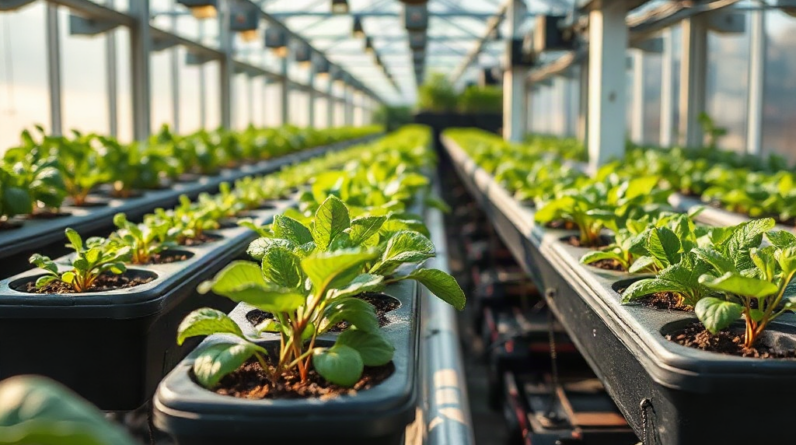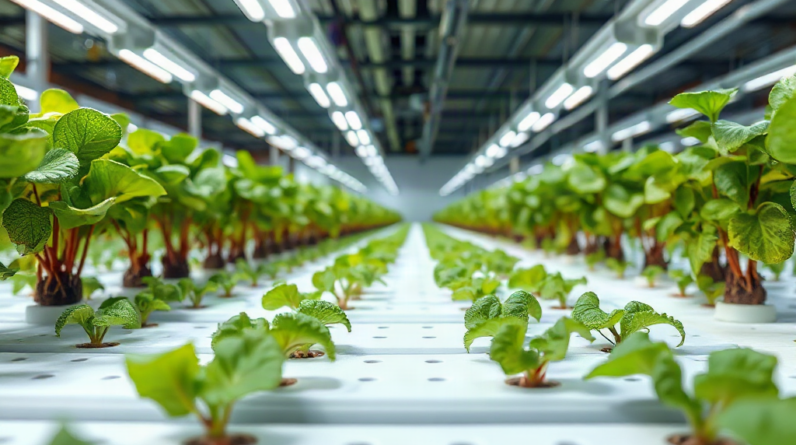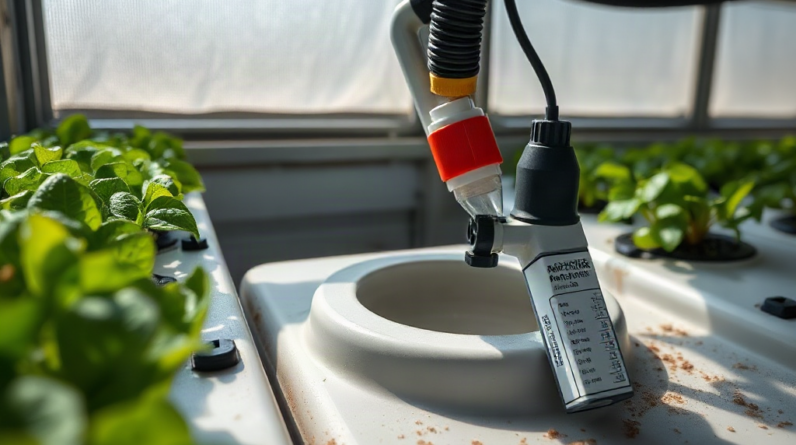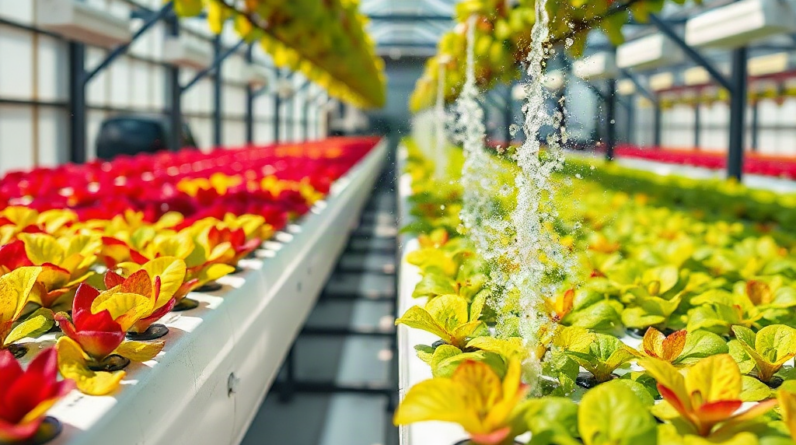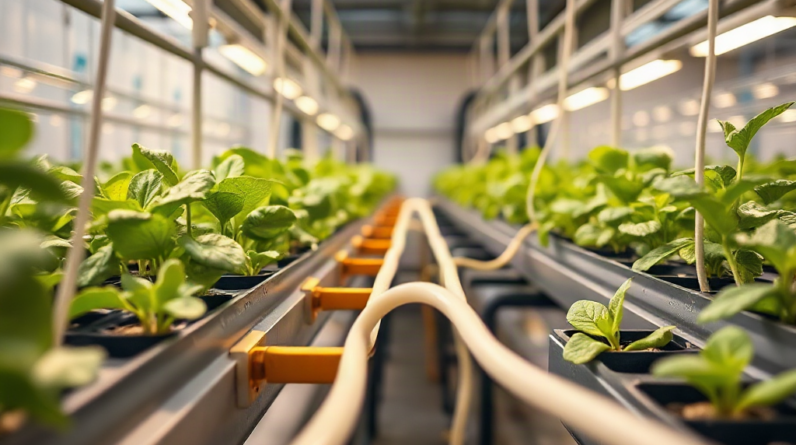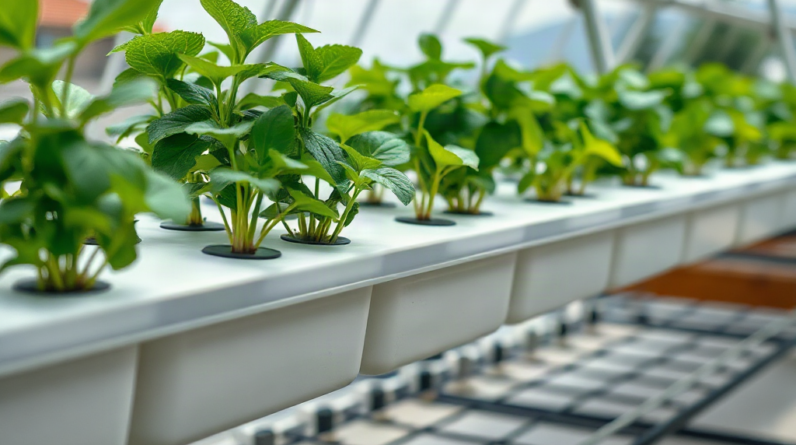

A hydroponic water reservoir plays a pivotal role in supplying essential nutrients to plants in a soilless environment. Maintaining this reservoir effectively is vital for ensuring that plants receive the right balance of water and nutrients, directly impacting their growth and health. Regular checks on water quality, pH levels, and nutrient concentrations are necessary to prevent issues that could hinder plant development.
Additionally, the size and design of the reservoir can influence its efficiency. A larger reservoir can provide more stable water conditions, while smaller systems may require more frequent monitoring and adjustments. Understanding the specific needs of your plants and the capacity of your system will help you prioritize reservoir maintenance effectively.
Importance of a Hydroponic Water Reservoir
The hydroponic water reservoir is critical as it serves as the primary source of water and nutrients for your plants. Without a well-maintained reservoir, plants may face nutrient deficiencies or toxicities, leading to poor growth or even death. It’s essential to understand how the reservoir functions within the hydroponic system to ensure optimal plant health.
Regular monitoring of the reservoir’s conditions can prevent many issues. For instance, fluctuations in temperature can affect dissolved oxygen levels, which are vital for root respiration. Keeping the reservoir at a stable temperature not only supports nutrient uptake but also promotes a healthy root environment.
Common Maintenance Practices
To maintain the health of your hydroponic water reservoir, several practices should be implemented. First, regularly check and adjust the pH and nutrient levels to ensure they remain within the optimal range for your plants. Most hydroponic systems thrive with a pH between 5.5 and 6.5.
Another key maintenance practice is to clean the reservoir and the entire system periodically. This prevents algae buildup and removes any organic matter that may have accumulated. A clean reservoir is essential for preventing disease and ensuring that plants can access the nutrients they need without competition from unwanted organisms.
Troubleshooting Common Issues
Common issues with hydroponic water reservoirs include algae growth, nutrient imbalances, and contamination. Algae can thrive in stagnant water, so it’s important to maintain water circulation and light management to minimize their growth. If you notice algae, it may be necessary to change the water more frequently and ensure that your reservoir is covered to block light.
Nutrient imbalances can occur if the reservoir is not monitored properly. Regular testing of nutrient concentrations allows for timely adjustments. If plants show signs of deficiency or toxicity, immediate action should be taken to correct the nutrient solution.
Choosing the Right Reservoir Size
The size of your hydroponic water reservoir will depend on the scale of your system and the specific needs of your plants. A larger reservoir can help maintain stable conditions, while a smaller one may require more frequent adjustments. When choosing a reservoir, consider factors such as plant type, growth stage, and the overall system design.
In general, a larger reservoir is beneficial for systems with a high plant density, as it can support more significant water and nutrient fluctuations without impacting plant health. However, if space is limited, smaller reservoirs can be effective with diligent monitoring and management.
Further Reading
Authoritative Sources
- Hydroponics.org
hydroponics.orgA comprehensive resource on hydroponic systems and best practices for maintaining water reservoirs
- Gardening Know How
gardeningknowhow.comOffers insights into hydroponic gardening techniques and troubleshooting tips
Frequently Asked Questions
What is the ideal pH for a hydroponic water reservoir?
The ideal pH for a hydroponic water reservoir typically ranges from 5.5 to 6.5, which supports optimal nutrient uptake and plant health.
How often should I change the water in my reservoir?
It’s generally recommended to change the water in your hydroponic reservoir every 1-2 weeks, depending on plant uptake and nutrient levels.
Can I use tap water in my hydroponic system?
Yes, but it’s important to test tap water for chlorine, chloramine, and pH levels before using it in your hydroponic system to avoid potential harm to plants.
What nutrients should I use in my hydroponic reservoir?
Use a balanced nutrient solution specifically formulated for hydroponics, containing essential macro and micronutrients for plant growth.
How can I prevent algae growth in my reservoir?
To prevent algae growth, keep the reservoir covered to block light, maintain water circulation, and clean the reservoir regularly.
Conclusion
Maintaining a hydroponic water reservoir is crucial for the success of your hydroponic system. Regular monitoring of pH and nutrient levels, along with proper cleaning, can prevent many common issues that affect plant health. By understanding the importance of your reservoir and implementing effective maintenance practices, you can ensure that your plants thrive and produce healthy yields. Prioritize these practices to enhance the efficiency of your hydroponic gardening efforts.