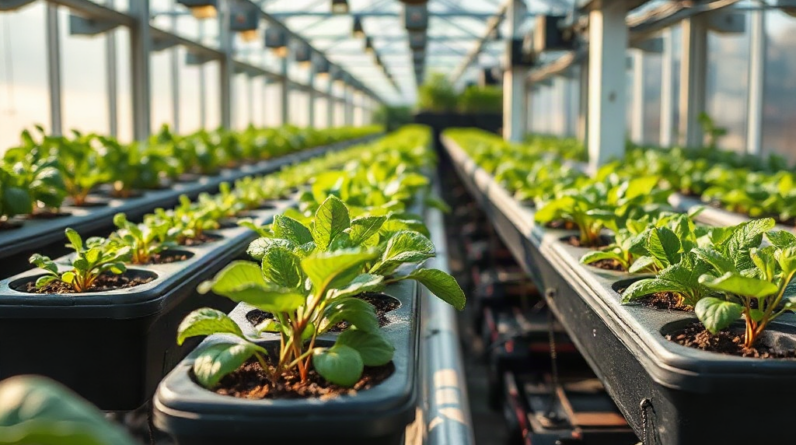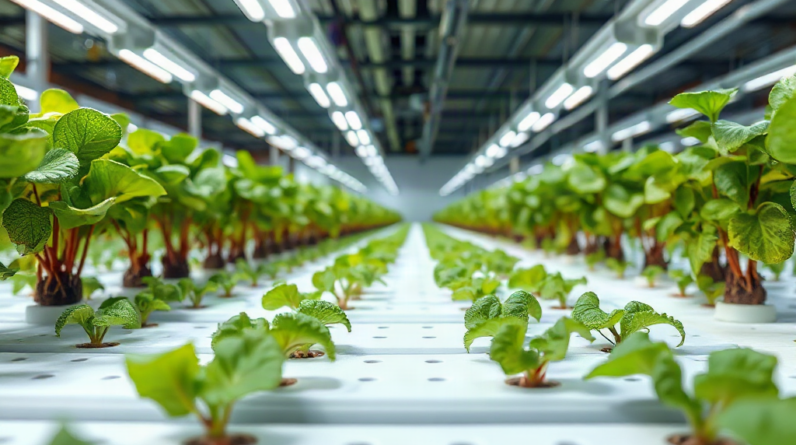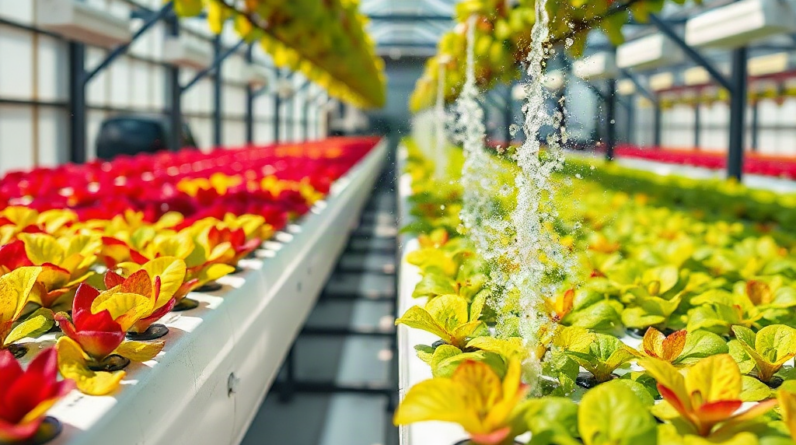
The impact of CO2 levels on hydroponic growth is profound, as optimal concentrations between 800 and 1,200 ppm can significantly enhance photosynthesis, leading to accelerated plant growth and higher yields. However, exceeding this range can result in diminished plant health and nutrient uptake issues. Growers should regularly monitor CO2 levels to maintain this balance, as insufficient CO2 can stunt growth. Additionally, it's essential to consider other environmental factors, such as light intensity and nutrient availability, which can interact with CO2 levels to influence overall plant performance. Proper management of CO2 can be the key to maximizing the efficiency and productivity of hydroponic systems.
The Role of CO2 in Photosynthesis
CO2 is a vital component of photosynthesis, the process by which plants convert light energy into chemical energy. During photosynthesis, plants absorb CO2 from the atmosphere, which combines with water and sunlight to produce glucose and oxygen. This process is essential for plant growth as it provides the energy and organic compounds necessary for development. In hydroponic systems, where soil is absent, the availability of CO2 can significantly influence plant health and productivity.
When CO2 levels are optimal, plants can photosynthesize more efficiently, leading to faster growth rates and higher yields. For hydroponic growers, understanding the role of CO2 in photosynthesis is crucial for maximizing crop production. However, growers must also consider how various factors, such as light intensity and nutrient availability, interact with CO2 levels to affect plant growth outcomes.
Optimal CO2 Levels for Hydroponics
The optimal range of CO2 levels for hydroponic growth typically falls between 800 and 1,200 parts per million (ppm). At these levels, plants can achieve maximum photosynthetic efficiency, resulting in enhanced growth rates and improved yields. It’s essential to maintain this balance, as insufficient CO2 can lead to stunted growth and poor plant health.
In contrast, CO2 levels exceeding 1,200 ppm may not necessarily yield better results and can even lead to negative effects. Factors like plant species, growth stage, and environmental conditions can influence the ideal CO2 concentration. For instance, leafy greens may respond differently to CO2 levels compared to fruiting plants, necessitating tailored approaches for different crops.
Effects of High CO2 Concentrations
While elevated CO2 levels can enhance plant growth, excessively high concentrations can result in detrimental effects. High CO2 can lead to nutrient imbalances, as plants may struggle to absorb essential nutrients effectively. This imbalance can manifest as symptoms like leaf yellowing, poor fruit development, and reduced overall vigor.
Additionally, an overabundance of CO2 can cause a decline in plant health by disrupting the natural balance of gases in the root zone. This disruption can lead to root suffocation and hinder the plant’s ability to uptake water and nutrients. Therefore, maintaining a careful balance of CO2 is critical for sustainable hydroponic practices.
Monitoring and Managing CO2 Levels
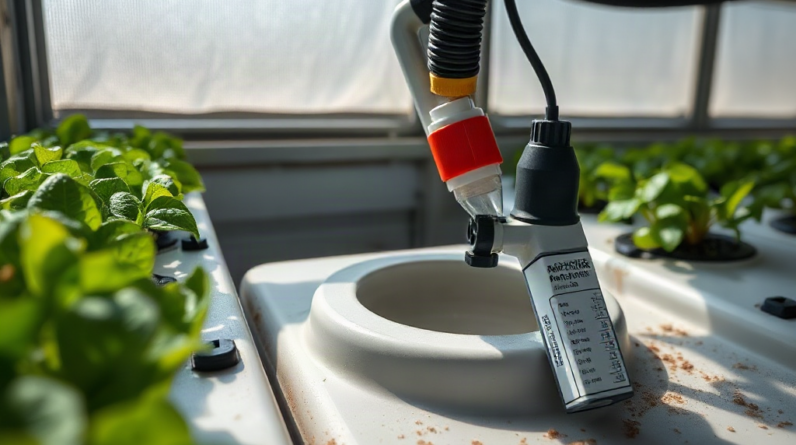
Effective management of CO2 levels in hydroponic systems involves regular monitoring and adjustment. Utilizing CO2 sensors can help growers maintain optimal levels by providing real-time data on concentration fluctuations. These sensors can trigger automated systems to release CO2 when levels drop below the desired threshold, ensuring consistent conditions for plant growth.
In addition to monitoring, growers should also consider integrating CO2 enrichment strategies, such as using compressed CO2 tanks or fermentation processes, to enhance CO2 availability. However, it is vital to approach these methods with caution, as over-enrichment can lead to the negative effects previously discussed. By understanding and managing CO2 levels effectively, hydroponic growers can enhance plant growth and maximize yields.
Frequently Asked Questions
What is the ideal CO2 level for hydroponic plants?
The ideal CO2 level for hydroponic plants typically ranges from 800 to 1,200 ppm, promoting optimal photosynthesis and growth.
How does CO2 affect plant growth in hydroponics?
CO2 enhances photosynthesis, which increases energy production and growth rates in hydroponic plants.
What happens if CO2 levels are too high?
Excessively high CO2 levels can lead to nutrient imbalances, poor plant health, and reduced growth.
How can I monitor CO2 levels in my hydroponic system?
CO2 sensors can be used to monitor levels in real-time, allowing for adjustments to maintain optimal concentrations.
Is CO2 enrichment necessary for all hydroponic systems?
CO2 enrichment may not be necessary for all systems; it depends on factors such as plant type and environmental conditions.
Further Reading
Authoritative Sources
- Hydroponics: A Comprehensive Guide
hydroponics.comThis resource provides in-depth information on hydroponic systems, including the role of CO2 in plant growth
- Plant Physiology Journal
plantphysiology.comA peer-reviewed journal that includes research on plant responses to CO2 levels
- Nutrient Management in Hydroponics
nutrition.govThis site offers guidelines for managing nutrient levels in hydroponic systems, focusing on the interplay with CO2
Conclusion
Understanding the impact of CO2 levels on hydroponic growth is essential for optimizing plant health and maximizing yields. By maintaining CO2 concentrations within the ideal range of 800 to 1,200 ppm, growers can ensure efficient photosynthesis and robust plant development. Regular monitoring and careful management of CO2 levels are crucial to prevent potential negative effects from excessive concentrations. Ultimately, informed decisions regarding CO2 enrichment and management strategies will lead to healthier plants and more productive hydroponic systems.