Root temperature significantly influences hydroponic health by affecting nutrient uptake and plant growth. Maintaining root temperatures between 18-22°C (65-72°F) is essential for optimal root function, as deviations can lead to physiological stress and hinder growth. High temperatures may accelerate respiration and deplete nutrients, while low temperatures can slow metabolic processes, resulting in stunted growth and nutrient deficiencies. To mitigate these issues, growers should implement temperature management strategies, such as using insulated containers or adjusting nutrient solution temperatures, ensuring a stable environment for healthy plant development.
Understanding Root Temperature Dynamics
Root temperature plays a crucial role in hydroponic health, as it governs metabolic processes and influences plant growth. Each plant species has an ideal temperature range, generally between 18-22°C (65-72°F), where root functions optimize nutrient absorption and growth rates. Deviations from this range can lead to physiological stress, affecting overall plant health.
Temperature affects root respiration rates, enzyme activity, and hormone production. For example, higher temperatures can increase respiration, leading to faster nutrient depletion in the medium. Conversely, lower temperatures can slow down metabolic processes, hindering growth. Therefore, understanding these dynamics is essential for successful hydroponic gardening.
Effects of Temperature on Nutrient Uptake
Temperature significantly impacts nutrient uptake in hydroponic systems. At optimal temperatures, roots are more efficient at absorbing essential elements like nitrogen, phosphorus, and potassium. When temperatures rise above or fall below the ideal range, plants may struggle with nutrient absorption, leading to deficiencies or toxicities.
For instance, high temperatures can increase the solubility of certain nutrients, but may also lead to the loss of others, such as calcium, which can precipitate in the nutrient solution. On the other hand, cold temperatures can impair the uptake of nutrients, causing stunted growth and yellowing leaves. Hence, maintaining the right root temperature is vital for nutrient balance and overall plant health.
Common Temperature-Related Issues in Hydroponics
Several issues can arise from improper root temperatures in hydroponic systems. One common problem is root rot, which occurs when temperatures are too high, promoting fungal growth in waterlogged conditions. Symptoms include wilting, yellowing leaves, and a foul smell from the root zone.
Another issue is nutrient lockout, which happens when roots cannot absorb nutrients effectively due to temperature stress. This can lead to visible deficiencies, such as leaf curl or discoloration. It’s essential to regularly monitor root temperatures and adjust environmental conditions to prevent these problems from occurring.
Strategies for Managing Root Temperature
Effective management of root temperature is critical for hydroponic success. One strategy is to use insulated containers that maintain stable temperatures, even in fluctuating ambient conditions. Additionally, growers can adjust the temperature of nutrient solutions by using heaters or chillers to ensure optimal conditions.
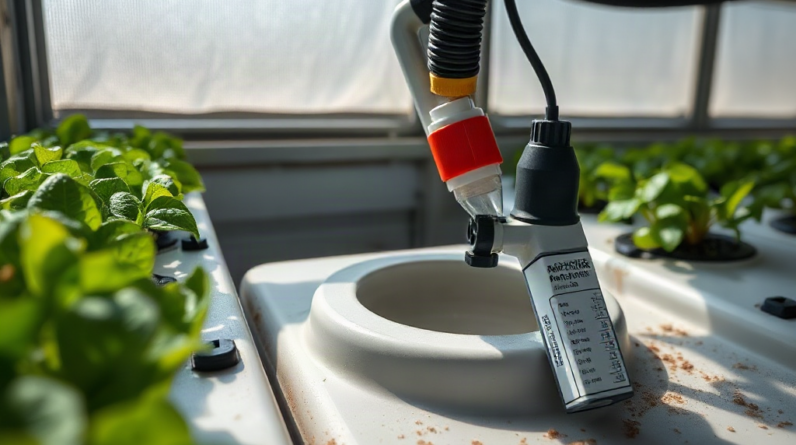
Another practical approach is to monitor environmental variables such as ambient temperature and humidity, as these can significantly influence root temperatures. Implementing automated systems to control temperature can help maintain consistency and reduce human error. Regularly checking the root zone with temperature sensors can provide valuable insights into the health of the hydroponic system.
Frequently Asked Questions
What is the ideal root temperature for hydroponic plants?
The ideal root temperature for most hydroponic plants is between 18-22°C (65-72°F), promoting optimal nutrient absorption and growth.
How does temperature affect nutrient absorption in hydroponics?
Temperature influences enzyme activity in roots, which affects nutrient uptake efficiency; optimal temperatures enhance absorption while extremes can hinder it.
What are the signs of root temperature stress?
Signs of root temperature stress include wilting, yellowing leaves, stunted growth, and root rot, indicating a need for temperature management.
How can I maintain optimal root temperature in my hydroponic system?
Maintaining optimal root temperature can be achieved through insulated containers, temperature-controlled nutrient solutions, and regular monitoring with sensors.
What common mistakes lead to temperature issues in hydroponics?
Common mistakes include neglecting temperature monitoring, using non-insulated containers, and failing to adjust nutrient solution temperatures to match environmental conditions.
Further Reading
Authoritative Sources
- Hydroponics Research
hydroponics.orgThis site offers comprehensive resources on hydroponic practices, including temperature management strategies
- ABC Gardening Australia
abc.net.auA reliable source of information on gardening, including hydroponics and temperature control methods
Conclusion
Understanding the impact of root temperature on hydroponic health is essential for optimizing plant growth and nutrient absorption. By maintaining the ideal temperature range and implementing effective management strategies, growers can prevent common issues such as nutrient lockout and root rot. Regular monitoring and adjustments to environmental conditions will ensure a thriving hydroponic system that yields healthy crops.