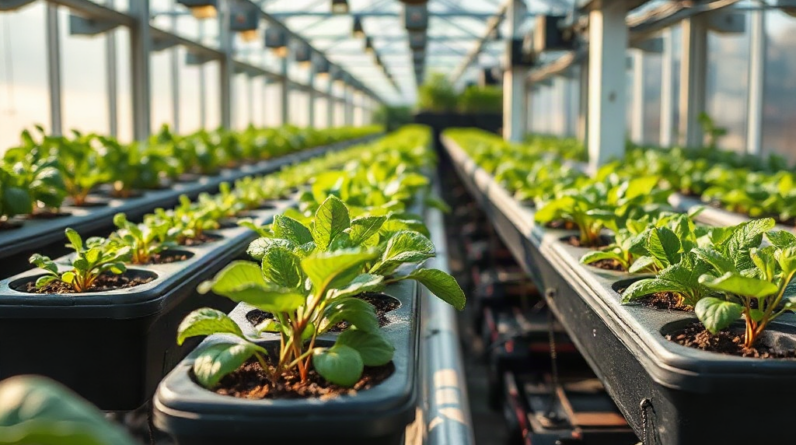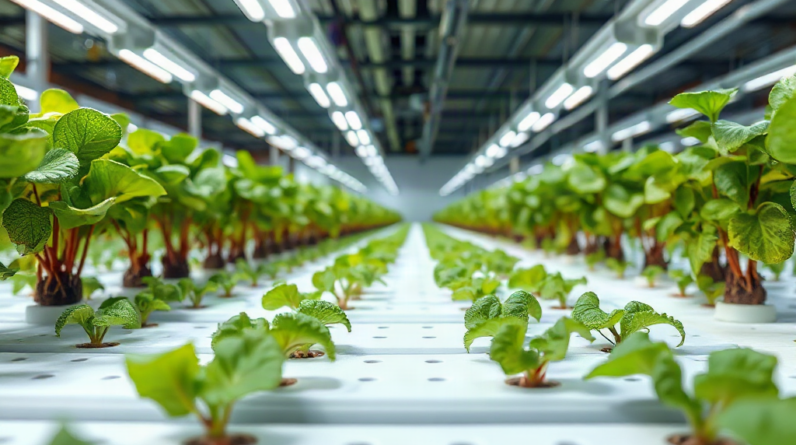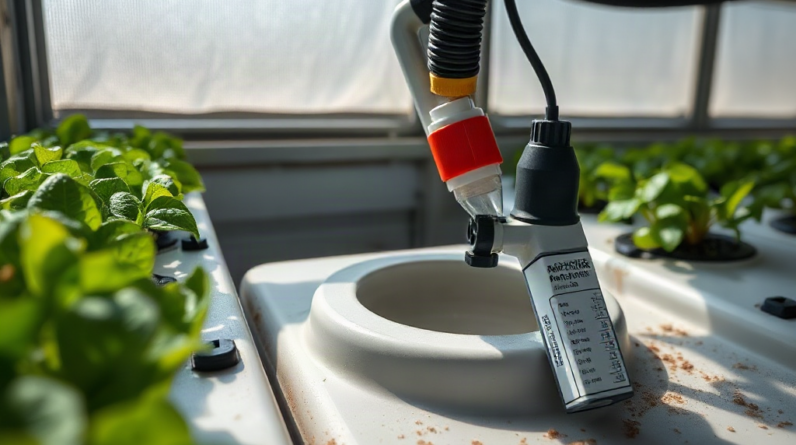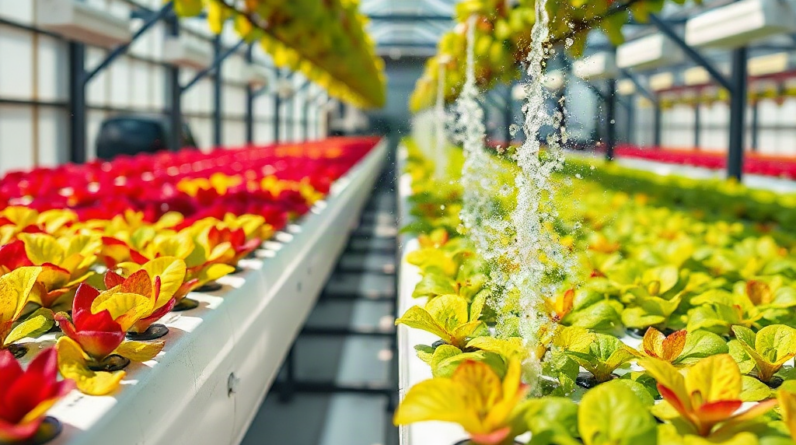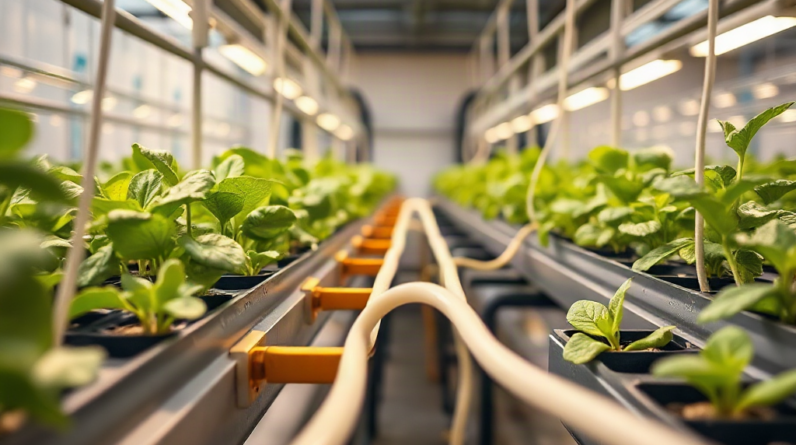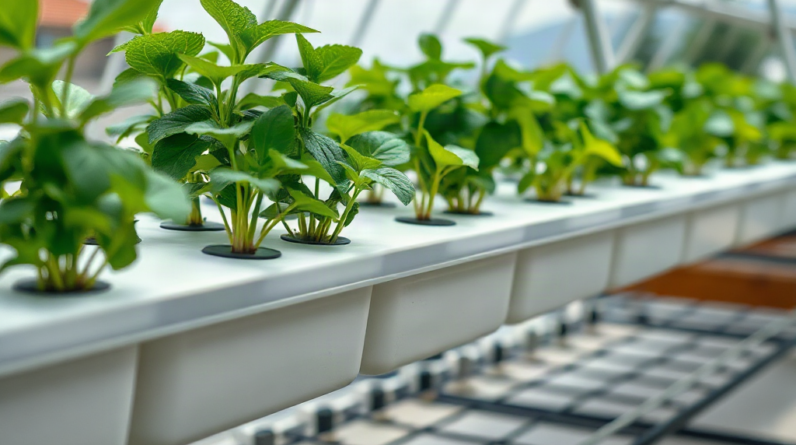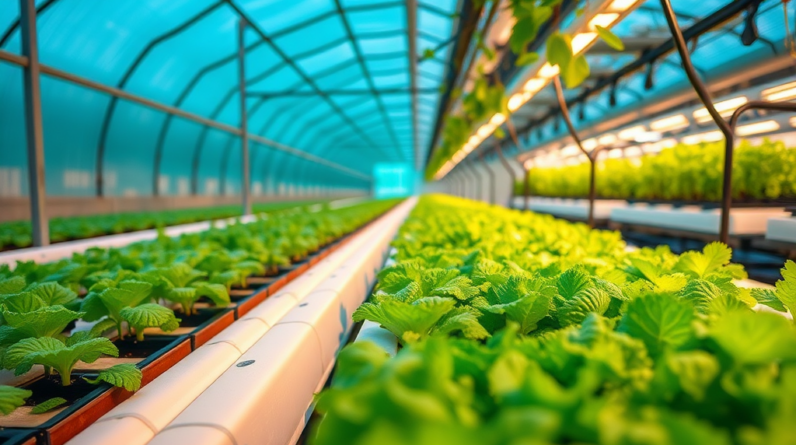
The water temperature in hydroponic systems profoundly affects plant growth, nutrient uptake, and overall vitality. Maintaining temperatures between 65°F and 75°F (18°C to 24°C) is essential, as this range optimizes nutrient solubility and biological activity. When temperatures fall outside this ideal range, plants may suffer from stress, leading to reduced growth rates and limited nutrient absorption. For instance, water that is too warm can decrease oxygen levels, negatively impacting root respiration. Hydroponic gardeners should regularly monitor and adjust water temperatures to prevent these issues and promote healthier, more productive plants.
Understanding Water Temperature Dynamics
Water temperature is a critical factor in hydroponic systems, affecting plant growth rates, nutrient uptake, and overall plant health. The ideal temperature range for hydroponic systems generally falls between 65°F and 75°F (18°C to 24°C). Within this range, plants can effectively absorb nutrients and maintain healthy metabolic processes. When temperatures deviate from this optimal range, plants may experience stress, impacting their growth and productivity.
Temperature affects the viscosity of water, which in turn influences the rate of nutrient diffusion. Warmer water has lower viscosity, allowing nutrients to move more freely, while cooler water can slow this process. Additionally, temperature impacts the solubility of oxygen in water; warmer temperatures can lead to reduced oxygen levels, which are vital for root respiration and overall plant health. Understanding these dynamics is essential for hydroponic gardeners aiming to optimize their systems.
Effects of Temperature on Nutrient Availability
The availability of nutrients in hydroponic systems is closely linked to water temperature. At optimal temperatures, nutrients are more soluble, enhancing their availability to plants. For instance, essential nutrients like nitrogen, phosphorus, and potassium become more accessible when water temperatures are maintained within the ideal range. Conversely, extreme temperatures can lead to nutrient lockout, where plants are unable to absorb certain nutrients effectively.
For example, at temperatures above 75°F (24°C), certain nutrients may precipitate out of solution or become less available due to increased microbial activity that can deplete nutrient levels. This can result in deficiencies, affecting plant growth and yield. Therefore, maintaining the right water temperature not only supports healthy plant growth but also ensures that essential nutrients remain bioavailable.
Temperature Management Strategies in Hydroponics
Effective temperature management is crucial for optimizing hydroponic growth. Several strategies can help maintain water temperature within the ideal range. Firstly, using temperature control systems such as water chillers or heaters can provide precise regulation. These systems can be automated to respond to temperature fluctuations, ensuring a stable environment for plants.
Another effective method is to use insulated reservoirs to minimize temperature fluctuations caused by external conditions. Placing the hydroponic system in a controlled environment, such as a greenhouse or an indoor garden, can also help regulate temperature. Additionally, monitoring water temperature regularly with accurate thermometers or digital sensors allows growers to make timely adjustments, preventing extreme temperature shifts that could harm plant health.
Common Mistakes Related to Water Temperature
Many hydroponic growers make mistakes regarding water temperature management that can hinder plant growth. One common error is neglecting to monitor water temperature regularly, leading to unexpected fluctuations that can stress plants. Another frequent issue is setting water temperatures too high or too low, which can result in nutrient lockout or reduced oxygen levels.
Additionally, some growers may overlook the importance of water aeration. Proper aeration not only enhances oxygen levels but also helps maintain consistent temperatures throughout the nutrient solution. Ignoring these factors can lead to poor plant health and reduced yields. By being aware of these mistakes, hydroponic gardeners can take proactive steps to ensure optimal water temperature management.
Frequently Asked Questions
What is the ideal water temperature for hydroponic growth?
The ideal water temperature for hydroponic growth typically ranges from 65°F to 75°F (18°C to 24°C) to optimize nutrient uptake and plant health.
How does water temperature affect nutrient absorption?
Water temperature influences nutrient solubility and diffusion; optimal temperatures enhance nutrient availability, while extreme temperatures can lead to nutrient lockout.
What are the signs of improper water temperature in hydroponics?
Signs include slowed growth, yellowing or wilting leaves, and nutrient deficiencies, which can indicate that the water temperature is too high or too low.
How can I maintain optimal water temperature in my hydroponic system?
Using temperature control systems, monitoring regularly, and insulating reservoirs are effective methods for maintaining optimal water temperature.
What common mistakes should I avoid regarding water temperature?
Avoid neglecting temperature monitoring, setting inappropriate temperatures, and failing to aerate the water, as these can negatively impact plant health.
Further Reading
Authoritative Sources
- USDA Hydroponic Guidelines
usda.govA comprehensive resource on hydroponic practices, including temperature management
- Purdue University Horticulture
hort.purdue.eduResearch-based insights on plant growth conditions and hydroponics
- National Extension Association
extension.orgInformation on best practices for hydroponic systems, including temperature considerations
Conclusion
Water temperature plays a vital role in hydroponic gardening, directly affecting nutrient availability and plant health. Maintaining optimal temperatures is crucial for maximizing growth and yield. Growers should implement effective temperature management strategies, regularly monitor conditions, and be mindful of common mistakes to ensure their hydroponic systems thrive. By prioritizing water temperature, hydroponic gardeners can achieve better results and healthier plants.