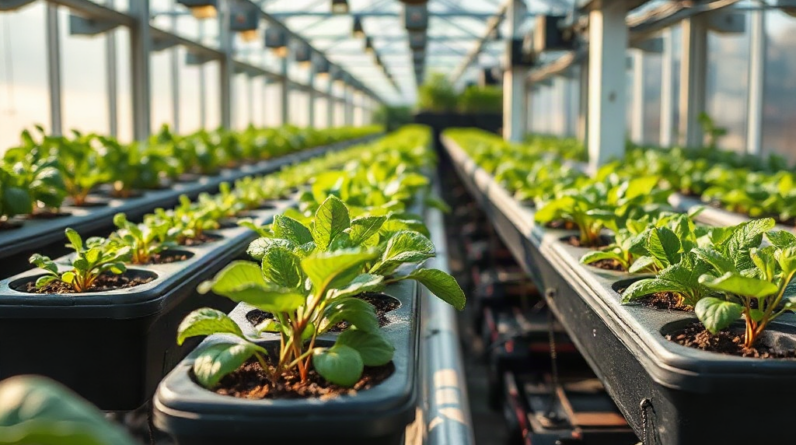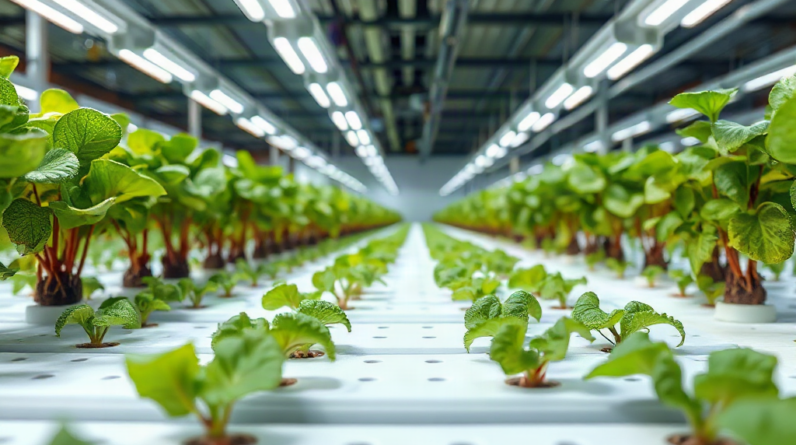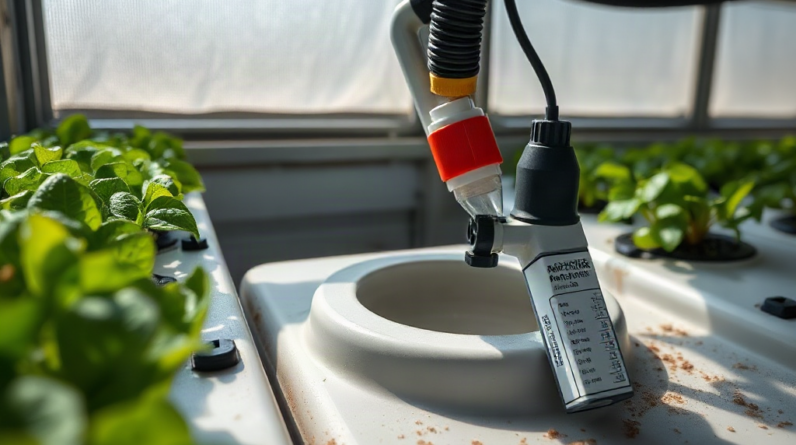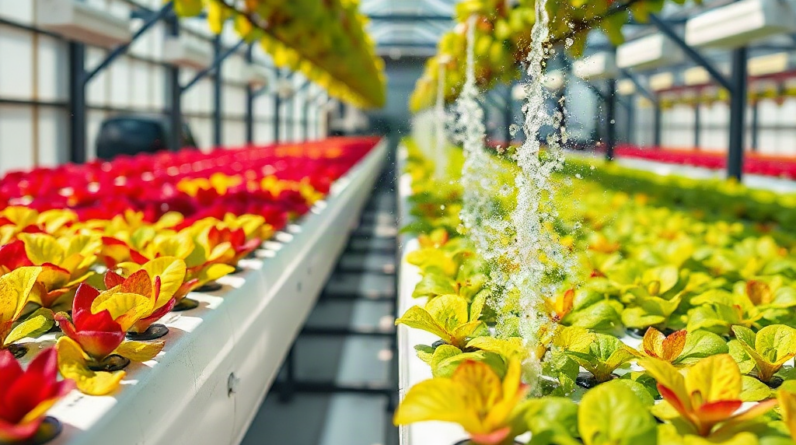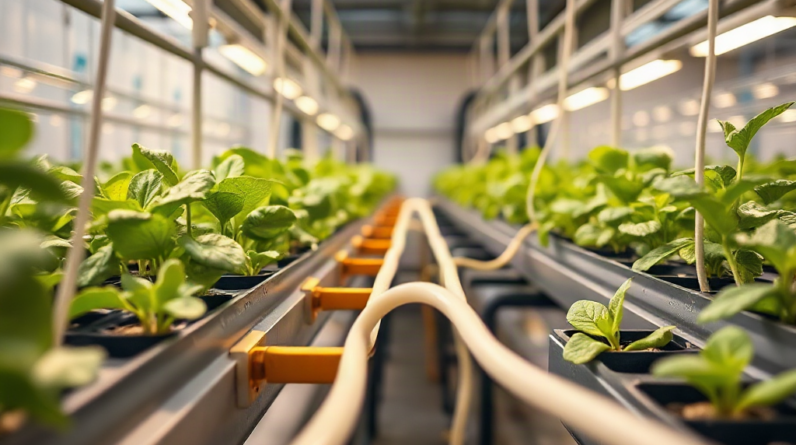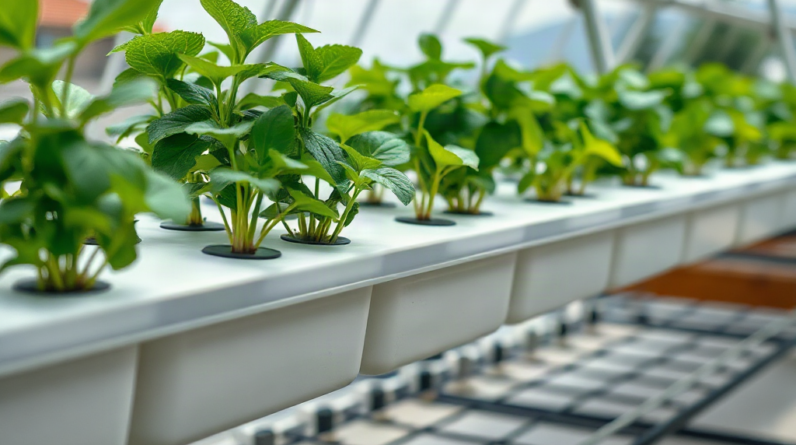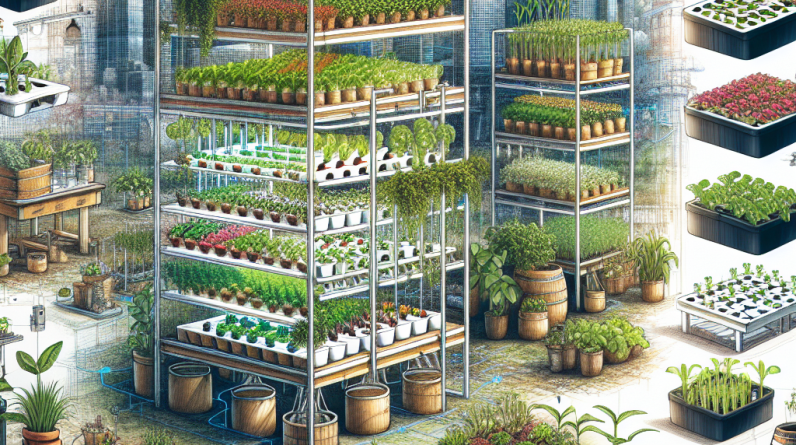

An indoor hydroponic grow kit is designed to facilitate the growth of plants without the need for soil, utilizing a nutrient-rich water solution instead. These kits often come equipped with essential components, such as grow lights, water pumps, and a reservoir to maintain the moisture level required for healthy plant growth. The absence of soil means that plants can grow more quickly and efficiently, as their roots have direct access to the nutrients they need.
When selecting an indoor hydroponic grow kit, it’s important to consider various factors that can influence your gardening success. First, ensure that the kit includes quality components, like adjustable grow lights that mimic natural sunlight, which are crucial for photosynthesis. Additionally, a reliable water pump will help circulate the nutrient solution and maintain the appropriate moisture levels. Regular monitoring of pH and nutrient concentrations is vital, as imbalances can lead to poor plant health.
Benefits of Using an Indoor Hydroponic Grow Kit
Using an indoor hydroponic grow kit offers numerous advantages over traditional gardening methods. One of the primary benefits is the ability to grow plants in a controlled environment, which allows for year-round cultivation regardless of external weather conditions. This method also uses less water than soil-based gardening, making it more environmentally friendly.
Moreover, hydroponics can lead to faster growth rates, as plants receive nutrients directly through the water solution. This efficiency means that you can enjoy fresh produce in a shorter timeframe compared to conventional gardening. Additionally, many hydroponic systems are compact, making them ideal for urban dwellers with limited space.
Key Components of a Hydroponic Grow Kit
An effective indoor hydroponic grow kit typically includes several key components that work together to create an optimal growing environment. These components often consist of grow lights, a reservoir for the nutrient solution, a water pump for circulation, and net pots or trays for supporting the plants.
Grow lights are essential for providing the necessary light spectrum for photosynthesis. LED lights are popular due to their energy efficiency and adjustable intensity. The reservoir holds the nutrient solution, while the water pump ensures that this solution circulates effectively through the system, delivering nutrients to the plant roots. Understanding these components helps you maintain your hydroponic garden more effectively.
Common Mistakes to Avoid
While setting up an indoor hydroponic grow kit can be straightforward, beginners often make common mistakes that can hinder plant growth. One frequent error is neglecting to monitor the pH and nutrient levels regularly, which can lead to nutrient deficiencies or toxicities.
Another common mistake is overcrowding plants within the system, which can lead to competition for light and nutrients. It’s important to space plants adequately to ensure they all receive sufficient resources. Additionally, beginners may overlook the importance of proper lighting duration, which can affect plant growth and yield.
Choosing the Right Plants
Not all plants thrive in hydroponic systems, so selecting the right species is crucial for success. Leafy greens like lettuce, spinach, and herbs such as basil and mint tend to do well in hydroponic setups. These plants have shorter growth cycles and can be harvested multiple times.
Fruiting plants, like tomatoes and peppers, can also be grown hydroponically but may require more advanced systems due to their increased light and nutrient needs. Assess your available space and resources when choosing plants, as some varieties may demand more attention and care than others.
For those looking to delve deeper into hydroponic gardening, consider exploring industry-leading resources or joining online communities dedicated to hydroponics. Websites like the Hydroponic Society provide valuable information and support for both beginners and experienced gardeners.
Frequently Asked Questions
What is an indoor hydroponic grow kit?
An indoor hydroponic grow kit is a system designed to grow plants without soil, using a nutrient-rich water solution instead.
How do I choose the right plants for my hydroponic system?
Choose plants that thrive in hydroponic conditions, like leafy greens and herbs, which have shorter growth cycles.
What are the key components of a hydroponic grow kit?
A hydroponic grow kit typically includes grow lights, a water reservoir, a pump, and net pots for plant support.
How often should I check pH and nutrient levels?
Regular monitoring of pH and nutrient levels is essential, ideally checking at least once a week to maintain optimal conditions for plant growth.
Can I grow fruiting plants in a hydroponic system?
Yes, you can grow fruiting plants like tomatoes and peppers, but they may require more advanced systems and care than leafy greens.
Conclusion
In conclusion, an indoor hydroponic grow kit provides an efficient way to cultivate plants without soil, allowing for year-round gardening. By understanding the key components, benefits, and potential pitfalls, you can create a thriving hydroponic environment. Prioritize monitoring your nutrient solution and selecting appropriate plants to ensure a successful indoor garden. Embrace the innovative approach of hydroponics, and enjoy the fresh produce it offers.