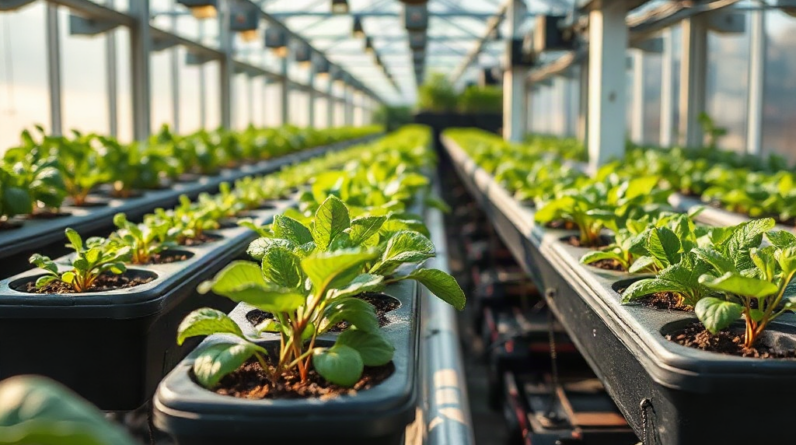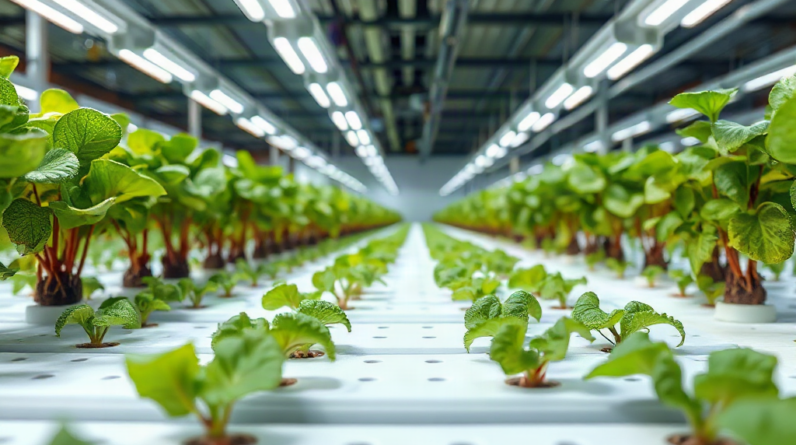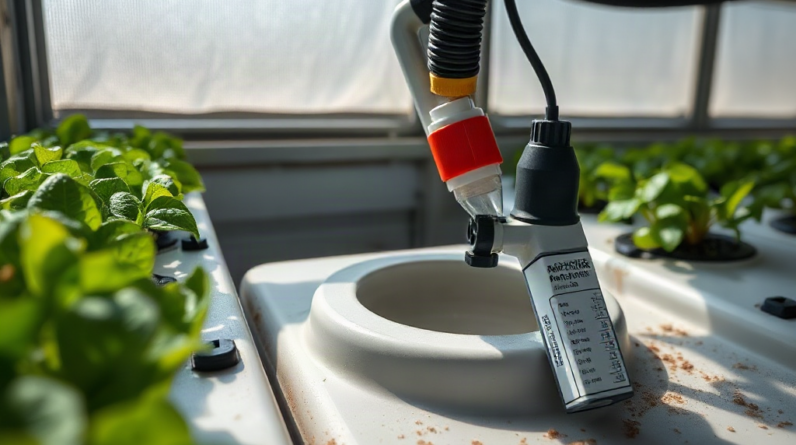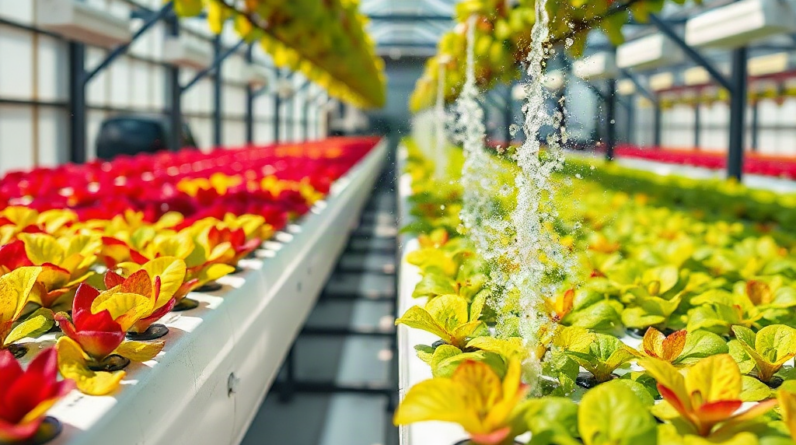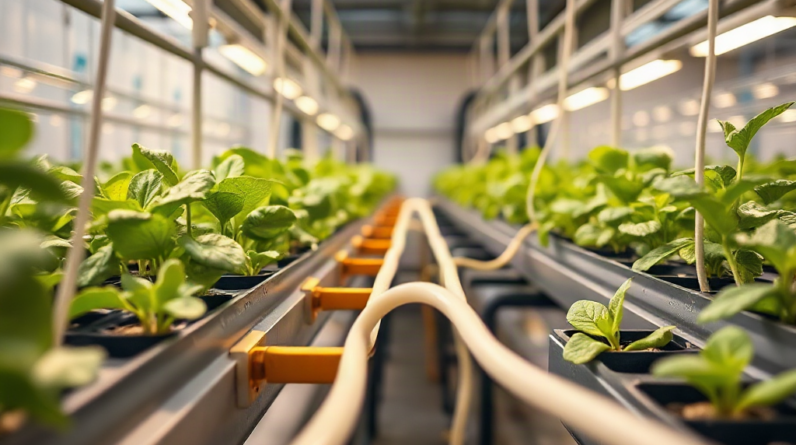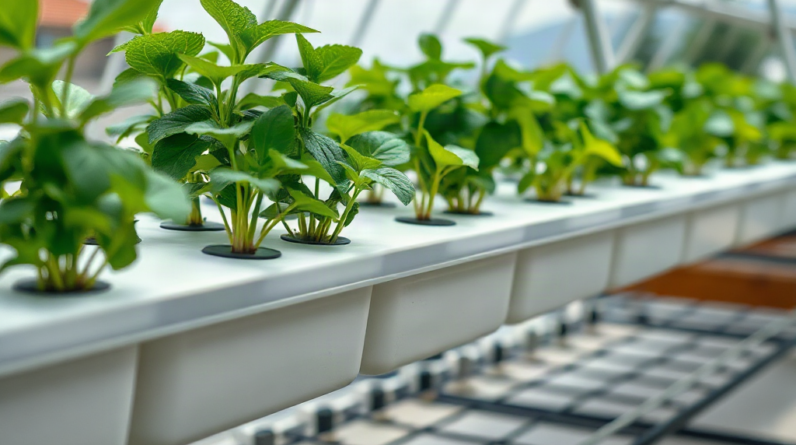
When selecting a hydroponic grow kit, consider the types of plants you wish to grow, the available space, and your budget. Different kits cater to various plant sizes and growth stages, from seedlings to mature plants. Additionally, understanding the light requirements and nutrient needs specific to your plants will help you choose the most suitable system.
Common mistakes include neglecting to monitor pH levels and nutrient concentration, which can lead to poor plant health. Prioritize regular checks and adjustments to ensure an optimal growing environment. Furthermore, be aware of the potential for algae growth in nutrient solutions, which can compete with your plants for resources.
Key Components of an Indoor Hydroponic Grow Kit
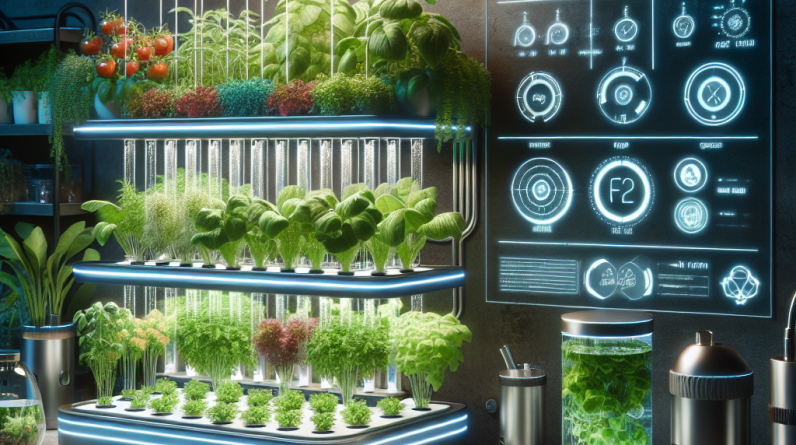
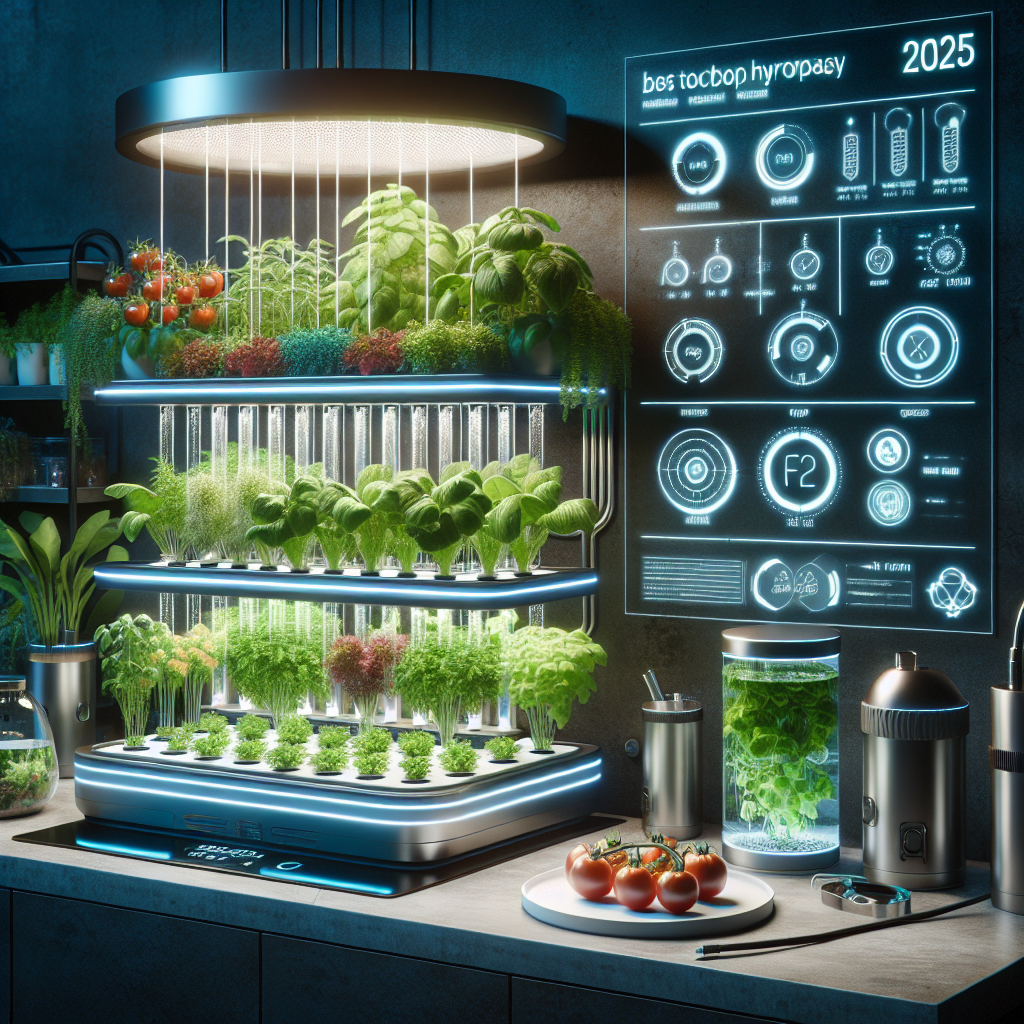
An effective indoor hydroponic grow kit includes several critical components that work together to promote healthy plant growth. These components typically consist of a water reservoir, growing medium, nutrient solution, pump, and lighting system.
The water reservoir holds the nutrient solution, which provides essential minerals to the plants. The growing medium, such as clay pellets or rock wool, supports the plant roots while allowing for adequate drainage and aeration. The pump circulates the nutrient solution to ensure even distribution and access to the plants. Finally, the lighting system mimics natural sunlight, which is crucial for photosynthesis.
When selecting components, consider the size of your plants and their specific nutrient needs. Some kits offer adjustable components that can accommodate various plant sizes, while others are designed for specific types of plants, such as leafy greens or herbs. Understanding these factors will help you create a tailored setup for your indoor garden.
Setting Up Your Grow Kit
Setting up your indoor hydroponic grow kit involves several essential steps to ensure optimal performance. Begin by selecting a suitable location that provides sufficient light and temperature control. A space with stable temperatures and good air circulation is ideal.
Next, assemble the components according to the manufacturer’s instructions. Fill the water reservoir with the nutrient solution, ensuring proper mixing to achieve the right concentration. Place the growing medium in the designated area, and position the plants or seeds accordingly. Finally, set up the lighting system to provide adequate illumination for the plants.
Be mindful of common setup mistakes, such as overwatering or incorrect lighting placement. Both can lead to stunted growth or plant diseases. Regularly monitor the environment and make adjustments as needed to maintain optimal conditions.
Maintaining Your Hydroponic System
Proper maintenance of your hydroponic system is vital for long-term success. Regularly check the pH levels and nutrient concentration of the solution, as imbalances can negatively impact plant health. Aim to maintain a pH level between 5.5 and 6.5 for optimal nutrient absorption.
Additionally, clean the reservoir and components periodically to prevent algae buildup and ensure efficient operation. Replace the nutrient solution every two to three weeks to provide fresh nutrients and prevent stagnation.
Pay attention to plant growth and signs of distress, such as yellowing leaves or stunted growth. These indicators can help you identify and address potential issues before they escalate.
Common Challenges and Solutions
Indoor hydroponic gardening can present unique challenges, but understanding these can help you mitigate issues effectively. One common challenge is nutrient deficiency, which may manifest as leaf discoloration or poor growth. To address this, regularly check and adjust the nutrient solution, ensuring that it meets the plants’ specific needs.
Another challenge is pest control, as indoor environments can attract pests like aphids or spider mites. Implement preventative measures, such as maintaining cleanliness and monitoring plants regularly. If pests are detected, consider using organic pest control methods to minimize harm to your plants.
Understanding these challenges allows you to be proactive in your approach, ensuring a thriving hydroponic garden.
Further Reading
Authoritative Sources
- Hydroponics.com
hydroponics.comA comprehensive resource for hydroponic gardening techniques and equipment
- Maximum Yield
maximumyield.comOffers in-depth articles and guides on hydroponic systems and plant care
- Gardening Know How
gardeningknowhow.comA reliable source for gardening tips, including hydroponic methods and troubleshooting
Frequently Asked Questions
What is the best type of lighting for an indoor hydroponic grow kit?
LED grow lights are typically the best choice due to their energy efficiency and ability to provide the full spectrum of light needed for plant growth.
How often should I change the nutrient solution?
It’s recommended to change the nutrient solution every two to three weeks to ensure optimal nutrient availability and prevent stagnation.
Can I grow any type of plant in a hydroponic system?
While many plants can thrive in hydroponic systems, leafy greens and herbs are generally the easiest and most successful choices for beginners.
What are the signs of nutrient deficiency in plants?
Common signs include yellowing leaves, stunted growth, and leaf drop. Regular monitoring of nutrient levels can help prevent these issues.
Is it difficult to maintain a hydroponic system?
While there is a learning curve, proper monitoring and maintenance can lead to a successful and rewarding hydroponic gardening experience.
Conclusion
In conclusion, an indoor hydroponic grow kit offers a practical solution for growing plants without soil, making it ideal for urban settings and limited spaces. Understanding the essential components, setup process, and maintenance practices is crucial for achieving a successful harvest. By being aware of common challenges and proactively addressing them, you can create a thriving indoor garden. Start with simple plants and gradually expand your knowledge and skills to fully enjoy the benefits of hydroponic gardening.