Keeping hydroponic herbs fresh after harvest depends on gentle cutting, rapid removal of surface moisture, and storage matched to the herb: tender basil usually prefers a cool room and water-filled stems, while cilantro, parsley, mint, and chives generally tolerate refrigeration in a breathable, lightly damp environment. Harvest clean, dry foliage during the cooler part of the day, remove damaged leaves, and avoid crushing the stems. Excess water inside a sealed container encourages decay, but excessive dryness causes limp leaves, so use a loose bag or vented container with a paper towel and inspect it regularly. Wash herbs only when needed, then dry them thoroughly before storage.
Harvesting Herbs Without Shortening Their Storage Life
The storage clock begins at harvest, not when the herbs reach the refrigerator. Warm leaves lose water quickly, bruised tissue deteriorates faster, and wet foliage gives microorganisms a more favorable surface. A careful harvest therefore does more for freshness than an expensive container used later.
Cut herbs during the cooler part of the day when the growing area is not hot from lights or sun. Use clean, sharp scissors to make a neat cut rather than tearing stems. Handle bunches by the stems, keep them out of direct light, and move them promptly to a clean preparation area. Basil, mint, parsley, cilantro, and chives all benefit from reduced handling, although their ideal storage conditions differ.
Do not pack freshly cut herbs while they are visibly wet from nutrient solution, misting, or rinsing. Lay them in a single layer on a clean towel and blot gently. Air-drying is useful, but leaving delicate leaves exposed for a long period can cause unnecessary water loss. The goal is a dry surface, not dehydrated foliage.
Remove yellow, crushed, slimy, or heavily damaged leaves before storage. One decaying leaf can transfer moisture and microbes to neighboring foliage inside a tight bunch. A common mistake is harvesting a large quantity simply because the plants are ready. If the household will use only a small amount in several days, staggered cutting preserves quality on the plant and reduces storage losses.
After harvest, separate herbs by condition and intended use. Tender stems for immediate cooking can be kept apart from a clean bunch intended for several days of storage. This simple separation prevents repeated opening of the main container and makes it easier to notice early spoilage.
Choosing Room Temperature or Refrigeration
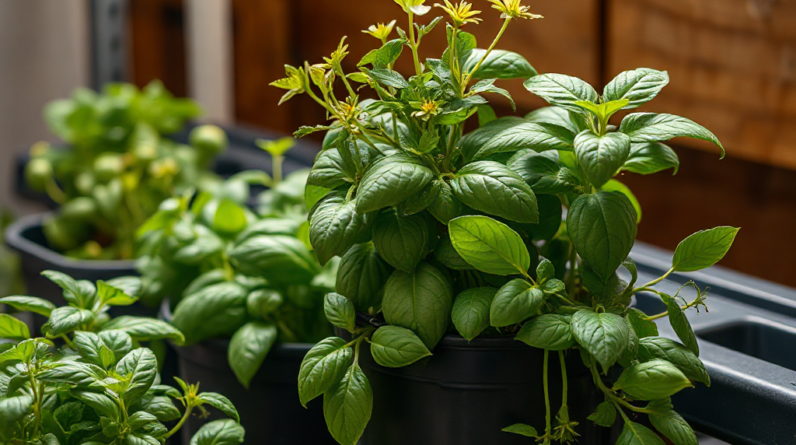
Herb variety should determine the storage environment. Basil is especially vulnerable to chilling injury, which can leave leaves dark, translucent, or limp after exposure to a cold refrigerator. A basil bunch usually keeps better at cool room temperature with its stem ends in a small amount of water, loosely covered to limit drying. Change the water when it becomes cloudy and keep leaves above the waterline.
Parsley, cilantro, mint, and chives generally handle refrigeration better. Wrap them loosely in a barely damp paper towel, place them in a partially open bag or vented container, and keep them away from fruit that produces ripening gases. The towel should feel slightly moist rather than saturated. A soaked towel creates the same wet, stagnant conditions that cause leaves to turn slimy.
Refrigeration slows water loss and decay for many herbs, but it is not automatically the best choice. A cold, dry refrigerator may desiccate uncovered leaves, while a warm counter can cause tender foliage to wilt rapidly. Consider the herb, the expected use date, and the refrigerator’s humidity. If basil is needed tomorrow, room-temperature stem storage is usually more sensible than risking cold damage. If cilantro is being held for several days, cold storage with controlled moisture is usually more practical.
Temperature changes also matter. Moving a cold container repeatedly between the refrigerator and a warm kitchen can create condensation. That moisture settles on leaves and increases the chance of decay. Keep the main container cold until needed, then remove only the portion for cooking.
Readers comparing methods often assume that all herbs can be treated like lettuce. They cannot. Leaf texture, stem structure, and sensitivity to cold vary widely. The most useful decision is not “counter or refrigerator” in the abstract; it is whether the chosen location controls both water loss and condensation for that particular herb.
Containers, Moisture, and Air Exchange
A good storage container balances humidity with ventilation. Completely open storage allows herbs to lose water and wilt, while an airtight container traps condensation around the leaves. For refrigerated herbs, a shallow vented container or loosely closed produce bag is often more reliable than a sealed plastic box filled tightly with foliage.
Use a clean container large enough that leaves are not compressed. Line part of the container with a paper towel to catch stray moisture, but do not bury the herbs in multiple damp layers. Replace the towel if it becomes wet. A simple test is to inspect the inside of the container after several hours: heavy droplets indicate excess moisture or inadequate ventilation, while dry, brittle edges suggest that the package is too open or the refrigerator air is too dry.
Do not store herbs in the same container as residual roots, growing media, or nutrient solution. Harvested foliage should be separated from the hydroponic growing area, where splashes and plant debris can reintroduce moisture and contamination. Rinse the container with hot soapy water, remove residue, and allow it to dry before use.
For a bunch of cilantro, trim the stem ends, place the stems in a jar with a small amount of water, and loosely cover the leaves with a bag before refrigerating. For chives, a dry, lightly wrapped bundle in a vented container is usually easier than water storage. For basil, use a jar on the counter and avoid pressing a lid against the leaves. These are not interchangeable recipes; they reflect different responses to cold and humidity.
The common failure is treating visible condensation as a sign of freshness. Droplets may look harmless, but persistent wetness softens leaf tissue and supports slimy decay. Conversely, adding a large amount of water to wilted herbs can temporarily improve appearance without restoring damaged tissue. Correct the storage environment first, then judge quality by texture, smell, and discoloration.
Cleaning, Inspecting, and Reviving Stored Herbs
Wash herbs according to how they will be used and how well they can be dried afterward. If the leaves are visibly dirty, rinse them under cool running water, then use a salad spinner or clean towels to remove surface water. Storing damp herbs in a closed package is more damaging than storing clean, thoroughly dried herbs in a breathable one.
Some growers prefer washing immediately after harvest, while others wash just before cooking. Both approaches can work. Immediate washing is convenient when the harvest has splashes or visible debris, but it adds a drying task and increases the chance of premature spoilage if rushed. Delayed washing reduces storage moisture, provided the herbs are clean enough to handle safely and are rinsed before use.
Inspect stored herbs every day or two. Remove leaves that are slimy, blackened, strongly yellowed, or unpleasantly odorous. Do not rely on trimming away one visibly bad tip if the surrounding tissue is soft or the container smells sour. Fresh herbs should have a clean plant aroma and resilient leaves. Any sign of mold calls for discarding the affected portion and cleaning the container rather than trying to salvage questionable foliage.
Wilted but otherwise sound herbs may recover when their cut stems are placed in cool water for a short period. This works by allowing stems to take up water again; it does not reverse decay, chilling injury, or tissue damage. A limp basil leaf with a fresh smell may perk up, whereas a dark, translucent leaf should not be treated as merely thirsty.
Revival is most useful before a meal, not as a substitute for proper storage. If a large harvest is already beginning to soften, prioritize immediate uses such as pesto, herb butter, sauces, infused vinegar, or chopped portions for freezing. Drying can extend usability for some herbs, but it changes texture and aroma, so it is better suited to woody or strongly flavored herbs than to delicate basil intended for fresh garnish.
A Practical Freshness Plan for Common Herbs
A reliable routine is easier when it separates harvest quality, storage method, and intended use. Before cutting, decide whether the herbs are for immediate meals, several days of fresh use, or preservation. That decision determines how much foliage to harvest and whether appearance, texture, or long-term convenience matters most.
For a small household harvest, use this compact priority list:
- Cut cleanly: Use sharp scissors and avoid crushing leaves or stacking warm bunches.
- Dry the surface: Blot rinse water, spray residue, or nutrient splashes before packaging.
- Match the herb to the location: Keep basil in a cool room with stems in water; refrigerate most hardy leafy herbs with controlled humidity.
- Leave breathing room: Use a loose wrap or vented container instead of compressing foliage in an airtight package.
- Inspect and use in order: Cook the softest bunch first and remove deteriorating leaves promptly.
Imagine harvesting parsley, basil, and mint on the same evening. Storing all three in one sealed refrigerator bag is convenient but poorly matched: basil may develop cold damage, while parsley and mint may sit against condensation. Separate containers take a few extra minutes yet make the storage conditions more predictable. The same principle applies when sharing a harvest with someone else; label the herb and harvest date so the most perishable bunch is used first.
For larger harvests, preservation becomes a quality decision rather than a failure. Freeze chopped herbs in small portions with a little water or oil when the final recipe permits it. Drying is practical when the intended use is soups, grains, or seasoning blends, but dried herbs will not reproduce the fresh texture of a salad garnish. Avoid keeping every harvest “fresh” when the plants are producing faster than they can be eaten.
Storage is working when leaves retain their natural color, stems remain firm, and the container has little or no condensation. It is failing when leaves become slick, edges turn papery, or odors develop. Use those signals to adjust one variable at a time: improve drying, loosen the package, replace a wet towel, or move a cold-sensitive herb out of the refrigerator. For related planning, see Keeping hydroponic herbs fresh after harvest and compare the routine with Keeping hydroponic herbs fresh after harvest.
Frequently Asked Questions
Should hydroponic herbs be washed before storage?
Wash them if they have visible residue or debris, but dry the foliage thoroughly before packaging. If they are clean, washing immediately can often be postponed until use.
Can fresh basil be stored in the refrigerator?
Basil may suffer cold damage in a refrigerator. A cool counter with trimmed stems in shallow water and a loose cover is often a better short-term option.
Why do stored herbs become slimy?
Surface water, trapped condensation, warm storage, and damaged leaves can accelerate tissue breakdown. Remove wet material, improve ventilation, and discard herbs with mold or an off odor.
How long do hydroponic herbs stay fresh?
Storage life varies by herb, harvest condition, and temperature. Use basil promptly, while parsley, cilantro, mint, and chives may remain usable longer when kept cool and lightly protected from moisture loss.
Can wilted herbs be made crisp again?
Sound herbs may regain firmness after a short soak or stem hydration in cool water. This will not make slimy, moldy, or chilled-damaged leaves safe or fresh again.
Further Reading
Authoritative Sources
- Academy of Nutrition and Dietetics
eatright.orgProfessional nutrition guidance, healthy eating resources, and practical dietitian-reviewed advice.
- U.S. Department of Agriculture
usda.govOfficial food, nutrition, agriculture, and consumer guidance from the USDA.
- NIH Office of Dietary Supplements
ods.od.nih.govResearch-based fact sheets on nutrients, supplements, dietary intake, and safety considerations.
- International Society of Sports Nutrition
sportsnutritionsociety.orgEvidence-informed sports nutrition resources and position stands for active people and athletes.
Conclusion
Freshness after harvest is mainly a moisture and temperature management problem. Cut herbs cleanly, keep them shaded while preparing them, and dry any surface water before storage. Then separate cold-sensitive basil from herbs such as parsley, cilantro, mint, and chives that usually tolerate refrigeration better. Use loose packaging, a breathable container, and a paper towel that is only slightly damp; sealed, wet storage is a frequent cause of slimy leaves.
Inspect the harvest regularly and use texture, odor, and color as practical quality signals. If production exceeds immediate demand, freeze or dry the surplus before it deteriorates. A small amount of attention at harvest, followed by storage matched to each herb, gives better results than treating every bunch identically.