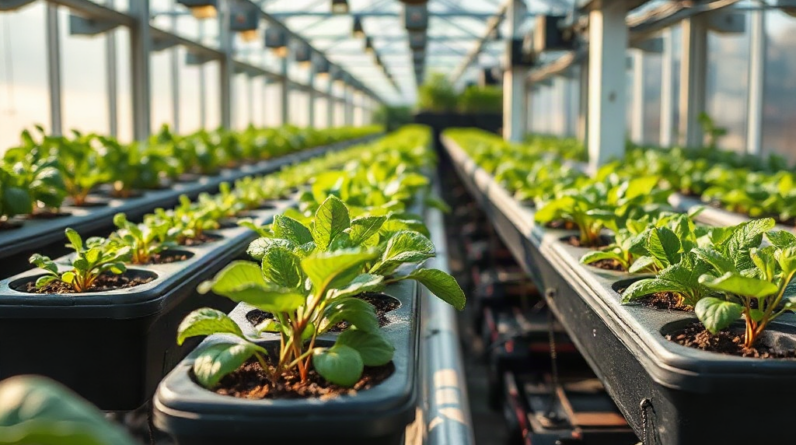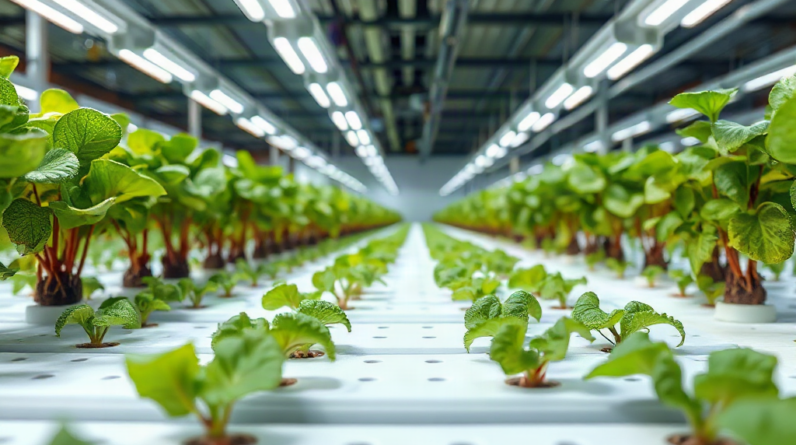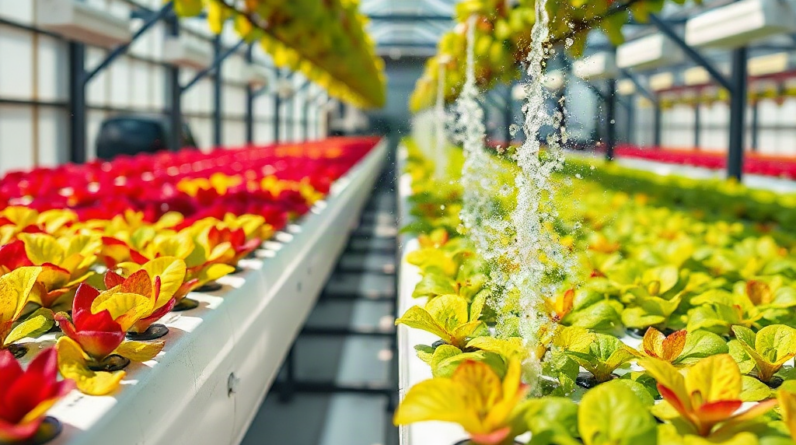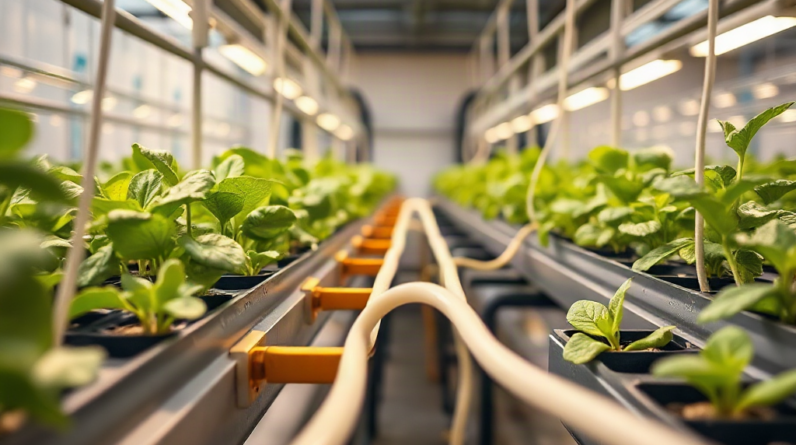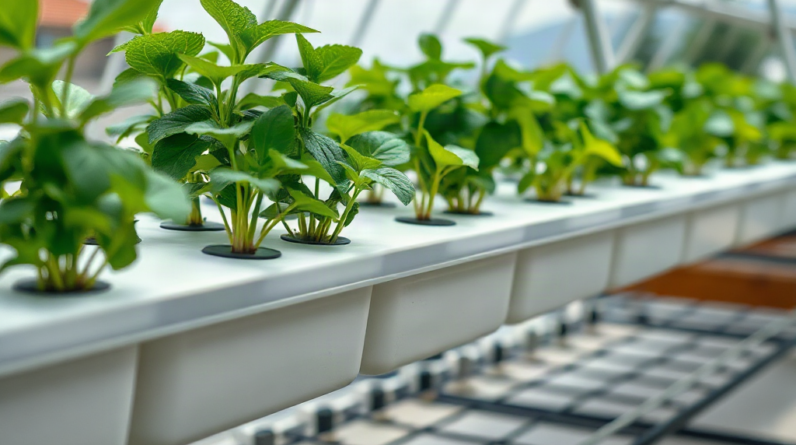
When considering a low cost hydroponic setup, it’s essential to prioritize the right components. The system’s effectiveness hinges on selecting suitable containers, nutrient solutions, and lighting. Common mistakes include underestimating the importance of light and nutrients, which can lead to poor plant growth. Additionally, understanding the water quality and pH balance is crucial for maintaining a healthy growing environment.
One common misconception is that hydroponics requires expensive technology or extensive knowledge. In reality, many successful setups utilize basic materials and simple techniques. Focusing on the essentials—like a reliable water pump, proper drainage, and effective light sources—can significantly reduce costs while ensuring a productive system.
Choosing the Right Hydroponic System
Various hydroponic systems cater to different needs and budgets. The most common types include Deep Water Culture (DWC), Nutrient Film Technique (NFT), and Ebb and Flow systems. Each has its advantages; for instance, DWC is known for its simplicity and cost-effectiveness, making it a popular choice for beginners. Selecting the right system depends on available space, the types of plants you want to grow, and your budget constraints.
Understanding the differences between these systems is vital for optimizing plant growth. DWC, for example, allows roots to sit in oxygen-rich water, promoting faster growth. In contrast, NFT relies on a continuous flow of nutrient solution, which can be more complex to manage. Assess your goals and available resources to choose the best setup for your needs.
Many beginners overlook the importance of system maintenance. Regardless of the type chosen, ensuring proper nutrient levels and regular monitoring of water quality is crucial. Investing time in understanding the mechanics of the system will pay off in healthier plants and higher yields.
Essential Equipment for a Low Cost Setup
Creating an effective low cost hydroponic setup requires specific equipment. At a minimum, you will need a reservoir for the nutrient solution, a water pump for circulation, and growing containers. PVC pipes are often used for the growing medium as they are inexpensive and easy to assemble.
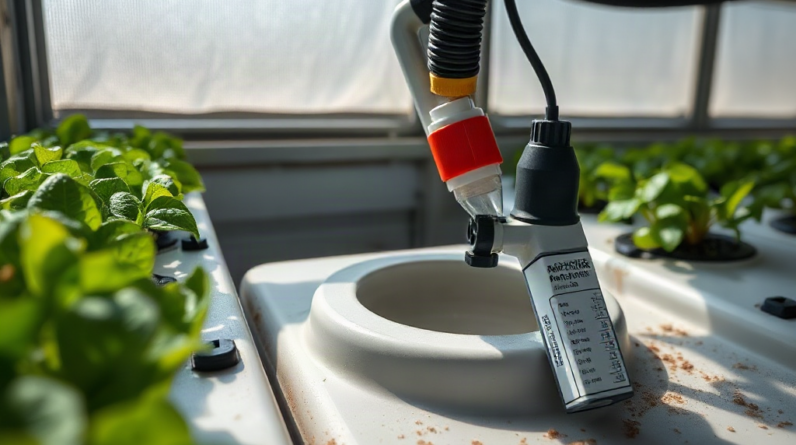
In addition to the basic components, consider investing in a water testing kit to monitor pH and nutrient levels, as well as grow lights if natural sunlight is insufficient. LED grow lights are energy-efficient and can significantly enhance growth rates. While it might seem like a large initial investment, these components can lead to better yields and healthier plants over time.
One common mistake is skimping on the quality of the nutrient solution. Using cheap or inappropriate nutrients can lead to poor plant health and reduced yields. It’s essential to choose a balanced nutrient solution formulated for hydroponics to ensure optimal growth.
Step-by-Step Installation Process
Setting up your low cost hydroponic system can be straightforward if you follow a few key steps. First, select a suitable location with access to electricity and sufficient light. Next, assemble your growing containers and connect them to the reservoir using PVC pipes.
Once your system is assembled, fill the reservoir with water and add the nutrient solution according to the manufacturer’s instructions. Then, set up your grow lights above the plants, ensuring they are at the appropriate distance to avoid burning the leaves. Regularly check the water level and nutrient concentration, adjusting as necessary.
A frequent oversight during installation is neglecting to secure all connections properly, which can lead to leaks and pump failure. Ensure all joints are tight and test the system before planting to avoid complications.
Common Mistakes to Avoid
Even with a low cost hydroponic setup, mistakes can hinder success. One of the most significant errors is not regularly monitoring water quality, which can lead to nutrient imbalances or plant diseases. Make it a habit to check the pH and nutrient levels weekly.
Another common pitfall is overcrowding plants. While it may be tempting to maximize space, overplanting can restrict airflow and light penetration, leading to weak plants. Follow recommended spacing guidelines for the specific crops you are growing.
Many novice hydroponic gardeners underestimate the importance of light. Inadequate lighting can stunt growth and reduce yields. Invest in quality grow lights and ensure they are positioned correctly to provide adequate coverage.
Further Reading
Authoritative Sources
- Hydroponics Basics
hydroponics.comA comprehensive resource for understanding various hydroponic systems and their setups
- Vegetable Gardening Techniques
vegetablegardener.comOffers practical advice on growing vegetables using hydroponic methods
- Gardening Know How
gardeningknowhow.comProvides detailed articles on plant care, including hydroponic setups
- Maximum Yield Hydroponics
maximumyield.comA leading publication focused on hydroponics and indoor gardening
Frequently Asked Questions
What is the cheapest way to set up a hydroponic system?
The cheapest way to set up a hydroponic system is to use PVC pipes for the growing medium, repurpose containers for the reservoir, and utilize affordable LED grow lights.
How much does it cost to start hydroponics?
The initial cost of starting a hydroponic system can range from 0 to 0, depending on the size and complexity of the setup.
Can you grow any plant hydroponically?
Most plants can be grown hydroponically, but leafy greens and herbs tend to thrive best due to their shorter growth cycles.
How often should I change the water in my hydroponic system?
It’s recommended to change the water in your hydroponic system every two weeks to maintain nutrient levels and prevent disease.
What is the best nutrient solution for hydroponics?
The best nutrient solution for hydroponics is one that is specifically formulated for hydroponic systems, providing a balanced mix of essential macro and micronutrients.
Conclusion
In summary, setting up a low cost hydroponic system can be a rewarding venture that yields fresh produce without the need for traditional soil gardening. By selecting the right equipment, understanding the installation process, and avoiding common mistakes, you can create a productive environment tailored to your needs. Prioritize monitoring water quality and nutrient levels, and be mindful of plant spacing and lighting to ensure a successful hydroponic garden. Start small, learn as you go, and enjoy the benefits of home-grown produce.