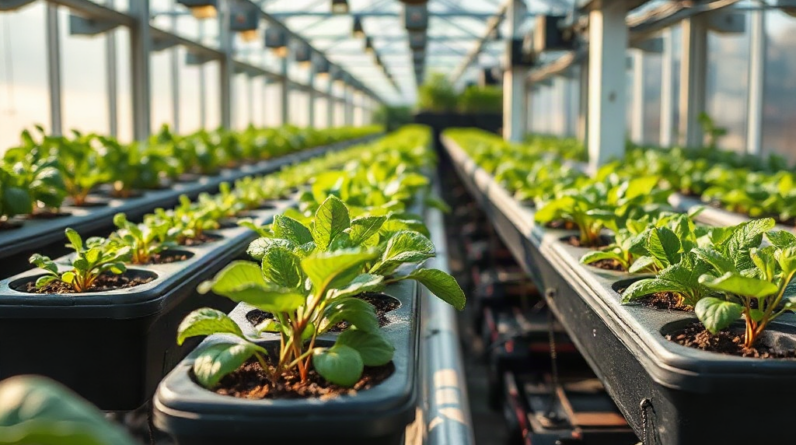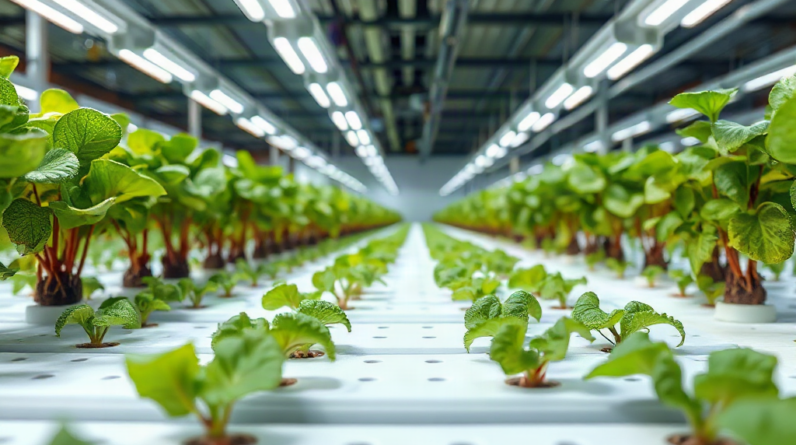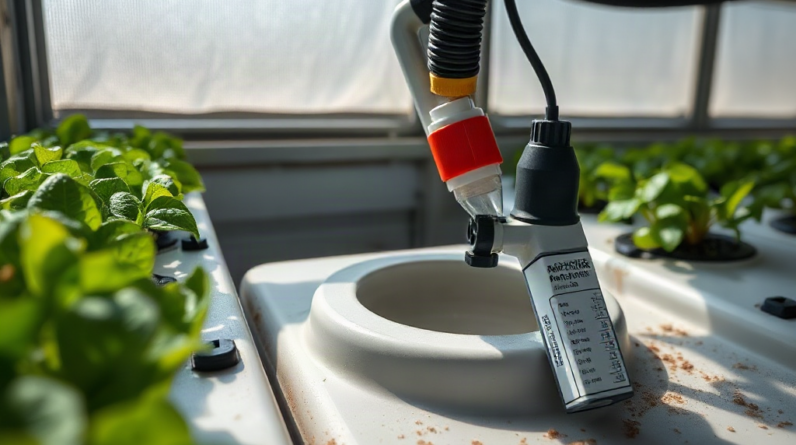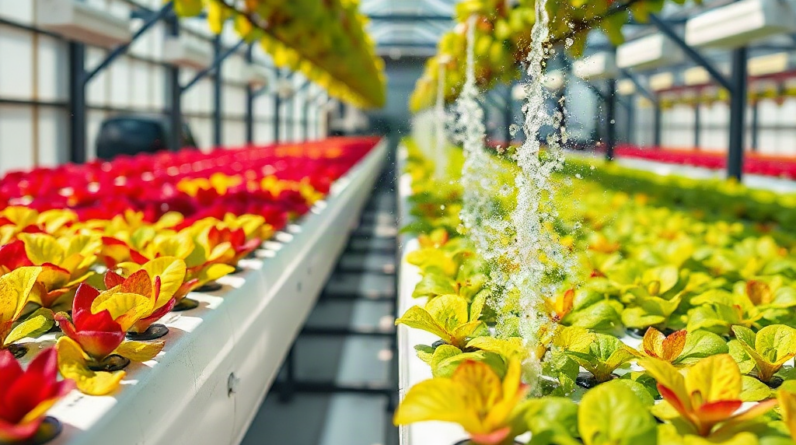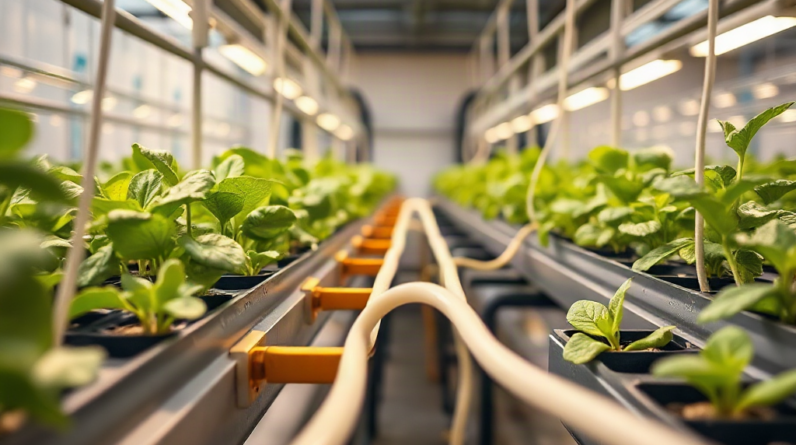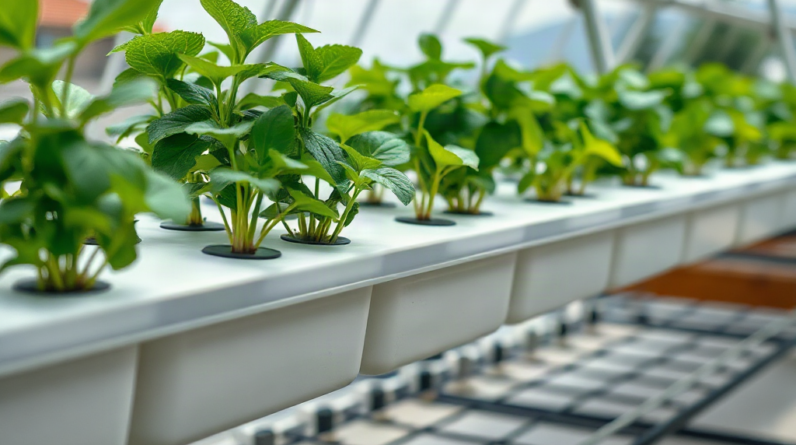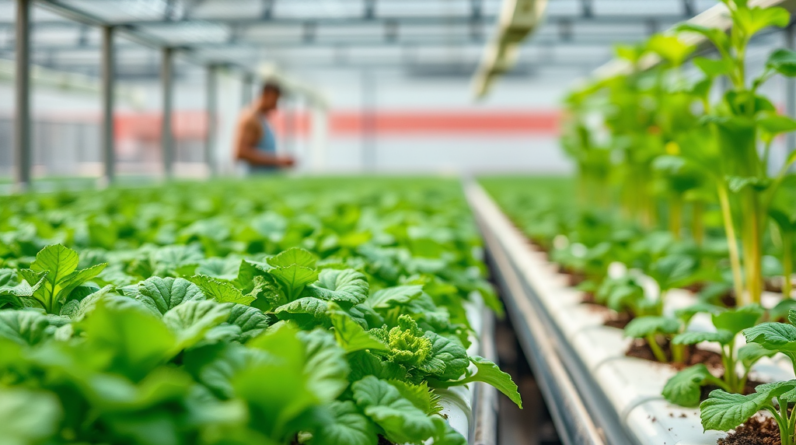
Over-fertilization in hydroponic systems can be identified by symptoms such as nutrient burn, where leaf tips turn brown, and leaf discoloration, which may manifest as yellowing or overly dark green leaves. Stunted growth is another clear sign, as plants struggle to absorb water and nutrients effectively. To prevent these issues, it is essential to regularly monitor nutrient levels and ensure proper mixing ratios in your nutrient solutions. Additionally, frequent water changes can help maintain a balanced nutrient concentration, promoting healthier plant development and avoiding toxicity.
Understanding Over-Fertilization
Over-fertilization occurs when nutrient levels in a hydroponic system exceed what plants can absorb, leading to detrimental effects. This imbalance can result in toxicity, which manifests as various symptoms in the plants. Recognizing these signs early can help in taking corrective measures to restore nutrient balance and promote healthy growth.
Hydroponic systems depend on precise nutrient management to thrive. When the concentration of nutrients is too high, it can overwhelm the plants, causing them to struggle to absorb water and essential nutrients. Understanding the nuances of nutrient absorption is crucial for maintaining optimal health in hydroponic crops.
Common Signs to Look For
Identifying the signs of over-fertilization is essential for maintaining plant health in hydroponic systems. Key indicators include:
- Nutrient Burn: The tips of leaves may turn brown or crispy, indicating excess nutrients.
- Leaf Discoloration: Yellowing or dark green leaves may suggest nutrient toxicity.
- Stunted Growth: A noticeable halt in growth can occur as plants struggle to manage nutrient overload.
- Root Damage: Over-fertilization can lead to root burn, which affects water uptake.
These symptoms can vary based on the plant species and the specific nutrients involved, so regular monitoring is essential. Misidentifying these signs can lead to further complications and crop loss.
Causes of Over-Fertilization
Several factors can contribute to over-fertilization in hydroponic systems. Understanding these causes is key to prevention:
- Improper Nutrient Mixing: Using incorrect ratios when mixing nutrient solutions can lead to excessive levels.
- Infrequent Water Changes: Failing to replace nutrient solutions regularly can cause nutrient buildup.
- Environmental Stress: Conditions such as high temperatures can increase nutrient uptake, leading to imbalances.
- Inaccurate Testing: Relying on faulty pH or EC meters can result in misguided nutrient application.
By addressing these causes, growers can mitigate the risk of over-fertilization and ensure a more stable growing environment.
Solutions and Prevention Strategies
To effectively manage and prevent over-fertilization, consider implementing the following strategies:
- Regular Monitoring: Use reliable pH and EC meters to keep track of nutrient levels in the solution.
- Schedule Water Changes: Change nutrient solutions every two weeks to prevent buildup.
- Adjust Nutrient Ratios: Follow precise mixing guidelines and adjust ratios based on plant growth stages.
- Flush the System: If over-fertilization is suspected, flushing the system with plain water can help reset nutrient levels.
Implementing these practices can help create a balanced environment for plants, promoting optimal growth and yield.
Frequently Asked Questions
What are the symptoms of over-fertilization in hydroponic systems?
Symptoms include nutrient burn, leaf discoloration, stunted growth, and root damage.
How can I prevent over-fertilization?
Prevent it by regularly monitoring nutrient levels, changing water frequently, and using correct nutrient ratios.
What should I do if I suspect my plants are over-fertilized?
Flush the system with plain water to help reset nutrient levels and reduce toxicity.
Can over-fertilization affect all types of plants?
Yes, different plants may show varying symptoms, but all can be negatively impacted by excessive nutrients.
Is it possible to reverse the effects of over-fertilization?
Yes, with proper intervention such as flushing and adjusting nutrient levels, plants can recover.
Conclusion
Recognizing and addressing the signs of over-fertilization is crucial for maintaining healthy hydroponic systems. By understanding the symptoms, causes, and implementing preventive measures, growers can ensure their plants thrive. Regular monitoring and adjustments are key to preventing nutrient imbalances, leading to successful cultivation and bountiful yields.
Further Reading
Authoritative Sources
- Symptoms of Over-Fertilizing your Lawn - West Coast Turf
mrwisegrass.comCommon symptoms of over fertilized sod include: Fertilizer burn or leaf scorch caused by access nitrogen salts Crust of fertilizer on soil ...
- Troubleshooting Common Hydroponic Plant Problems
ugf.onlWilting plants may appear droopy, weak, or lifeless, despite proper watering. Leaves can curl inward, stems may lose firmness, and overall growth may stall.