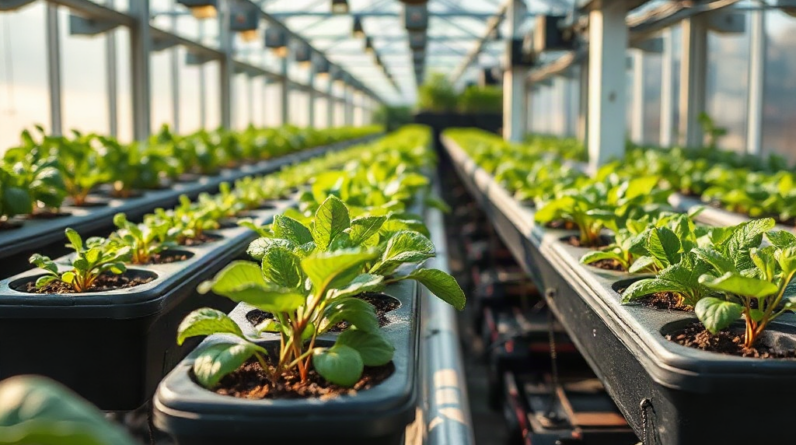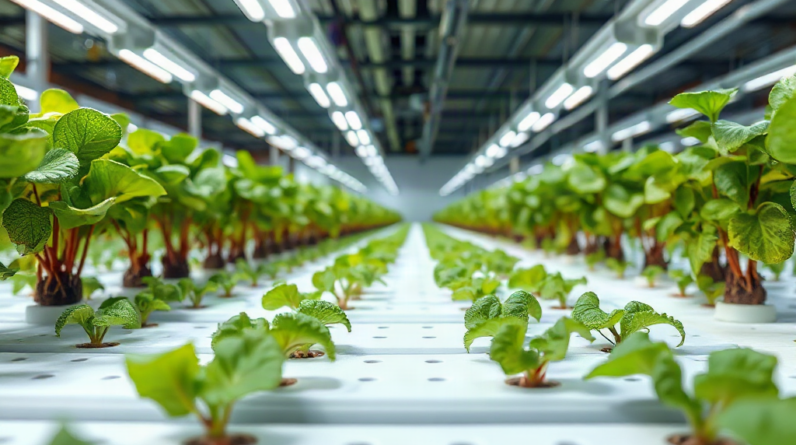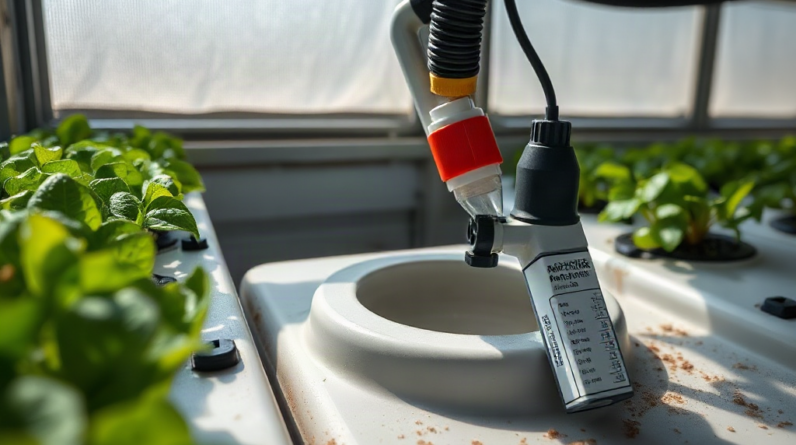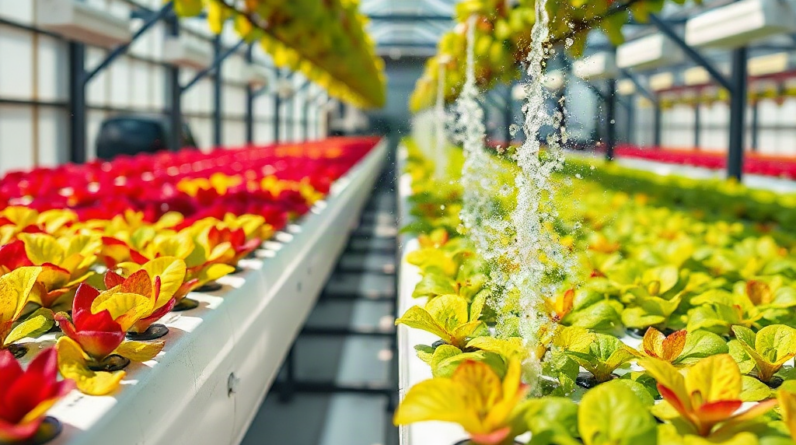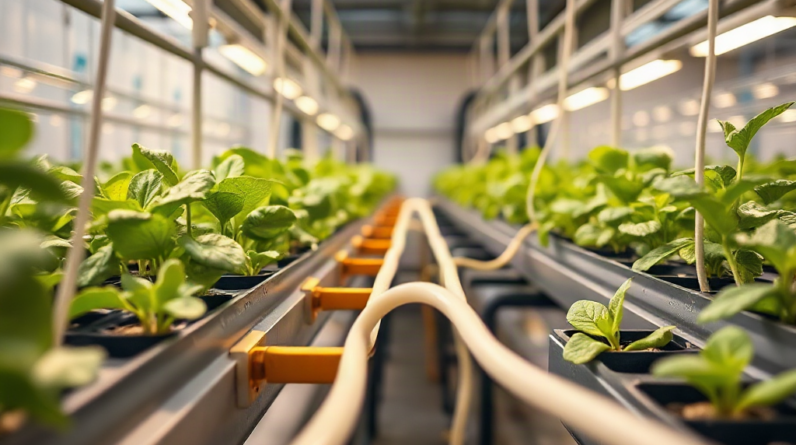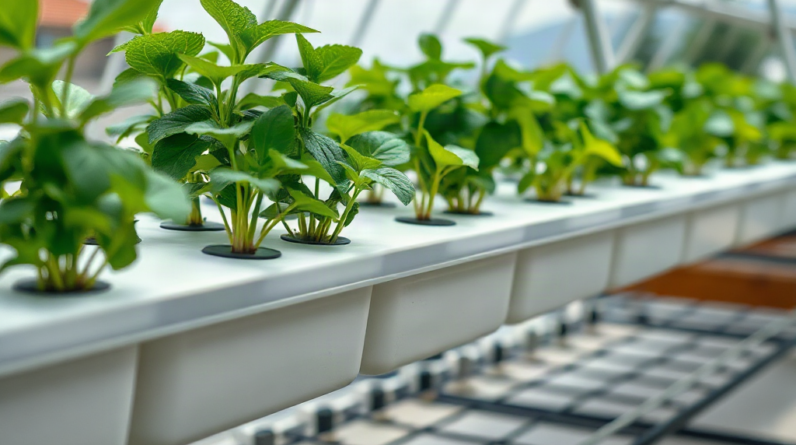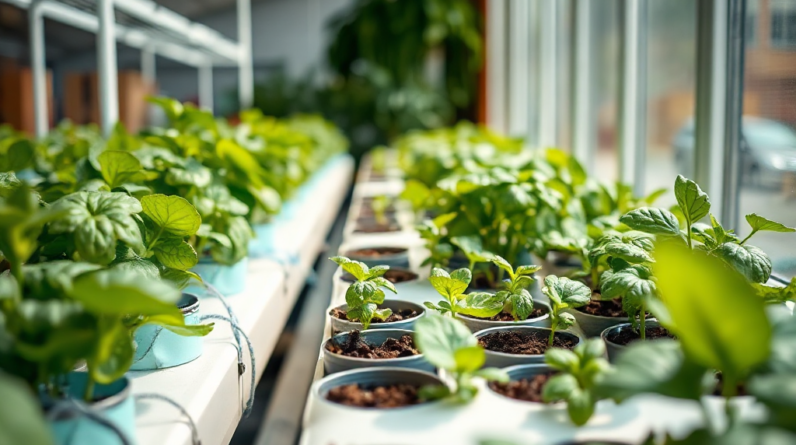
The soil-free gardening method allows plants to thrive without traditional soil by using systems like hydroponics, aeroponics, and aquaponics. These techniques provide essential nutrients directly to plant roots through nutrient solutions or misting, promoting faster growth and healthier plants. A key benefit is the reduction of soil-borne diseases and pests, which can hinder plant health. Additionally, this method conserves water, making it ideal for regions with limited water resources. For successful implementation, it’s important to monitor nutrient levels and environmental conditions closely to optimize plant growth and yield.
What Is Soil-Free Gardening?
Soil-free gardening involves growing plants without traditional soil, employing methods like hydroponics, aeroponics, and aquaponics. These techniques utilize nutrient solutions, misting systems, or fish waste to provide essential nutrients directly to plant roots. Soil-free gardening allows for greater control over growing conditions, leading to healthier plants and higher yields.
In hydroponics, plants are grown in a nutrient-rich water solution, while aeroponics suspends plants in air and mists their roots with nutrient solutions. Aquaponics combines fish farming with plant cultivation, creating a symbiotic environment where fish waste provides nutrients for plants, and plants help filter water for fish. These methods are particularly valuable in urban settings or areas with poor soil quality.
Benefits of Soil-Free Gardening
One of the primary benefits of soil-free gardening is the enhanced growth rate of plants. Without the need for soil, plants can access nutrients and water more efficiently, often leading to faster growth cycles. This method also reduces the risk of soil-borne diseases and pests, which can significantly affect plant health.
Water conservation is another crucial advantage. Soil-free systems typically use less water than traditional gardening, as the water can be recirculated. This is particularly beneficial in regions facing water scarcity. Additionally, soil-free gardening allows for year-round cultivation, as it can be done indoors or in controlled environments, providing fresh produce regardless of the season.
Techniques for Soil-Free Gardening
To successfully implement a soil-free gardening method, several techniques can be employed. Hydroponics can be set up using various systems such as nutrient film technique (NFT), deep water culture (DWC), or drip systems. Each of these systems has its own advantages depending on the type of plants being grown and the available space.
Aeroponics requires a setup that allows roots to hang in the air while being misted with nutrient solutions, making it suitable for fast-growing plants. This method is known for promoting rapid root development. Aquaponics combines both fish and plant cultivation, requiring careful balance to maintain water quality and nutrient levels, which can be more complex but rewarding.
Common Mistakes in Soil-Free Gardening
One common mistake in soil-free gardening is neglecting the importance of pH levels and nutrient balance in the growing solution. Incorrect pH can hinder nutrient absorption, leading to poor plant health. Regular monitoring and adjustments are necessary to maintain optimal conditions.
Another frequent error is overwatering or underwatering plants, which can occur due to the absence of soil’s natural moisture retention. It’s essential to establish a consistent watering schedule based on the specific needs of the plants being cultivated. Additionally, new gardeners may overlook the need for adequate lighting, particularly in indoor setups, which can stunt growth if not appropriately managed.
Frequently Asked Questions
What plants can be grown using soil-free gardening methods?
A wide variety of plants can thrive in soil-free systems, including leafy greens, herbs, tomatoes, and strawberries.
Is soil-free gardening more expensive than traditional gardening?
Initial setup costs can be higher, but soil-free gardening often leads to higher yields and reduced resource usage, potentially lowering long-term costs.
How often should I check nutrient levels in my soil-free garden?
Nutrient levels should be checked weekly to ensure optimal plant growth and to prevent deficiencies.
Can soil-free gardening be done indoors?
Yes, many soil-free gardening methods can be successfully implemented indoors with proper lighting and environmental controls.
What are the challenges of soil-free gardening?
Challenges include maintaining nutrient balance, providing adequate lighting, and managing water levels effectively.
Further Reading
Authoritative Sources
- Hydroponics.org
hydroponics.orgA comprehensive resource on hydroponic systems, techniques, and best practices.
- Aquaponics Association
aquaponicsassociation.orgInformation on aquaponics systems and their benefits for sustainable agriculture.
- Vertical Farming
verticalfarming.comInsights into vertical farming techniques and their application in soil-less gardening.
Further Reading
Authoritative Sources
- USDA National Institute of Food and Agriculture
nifa.usda.govResearch and extension resources related to agriculture, plants, soil, and food systems
- Extension Foundation Gardening Resources
extension.orgUniversity extension education resources for practical gardening and home agriculture topics
- USDA Natural Resources Conservation Service
nrcs.usda.govSoil, water, conservation, and land management resources for practical growing decisions
Conclusion
Soil-free gardening offers a modern approach to cultivation, providing numerous benefits such as faster growth, reduced pests, and efficient resource usage. By employing techniques like hydroponics, aeroponics, and aquaponics, gardeners can maximize their yields while overcoming the limitations of traditional soil-based methods. Understanding the common pitfalls and maintaining optimal growing conditions are crucial for success. Embracing this innovative method can lead to a thriving garden, regardless of the environment.