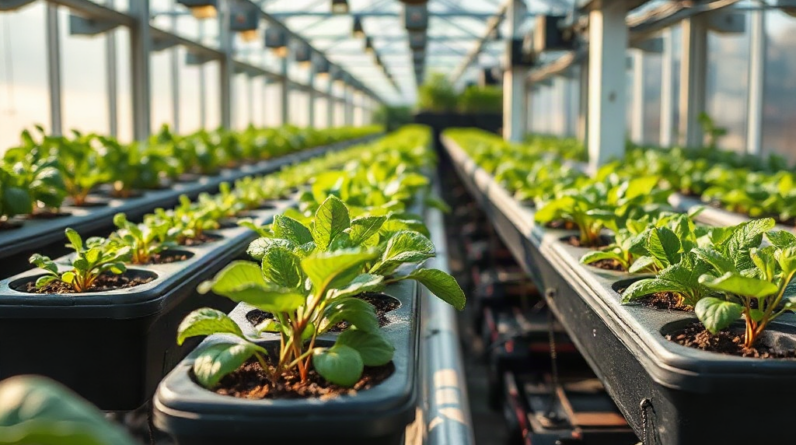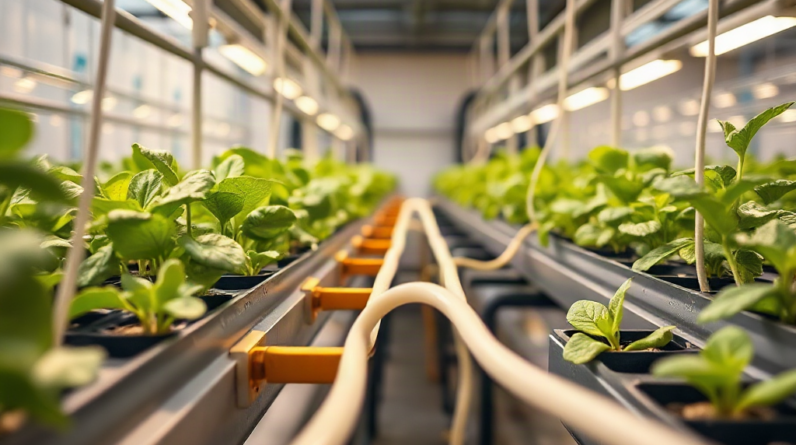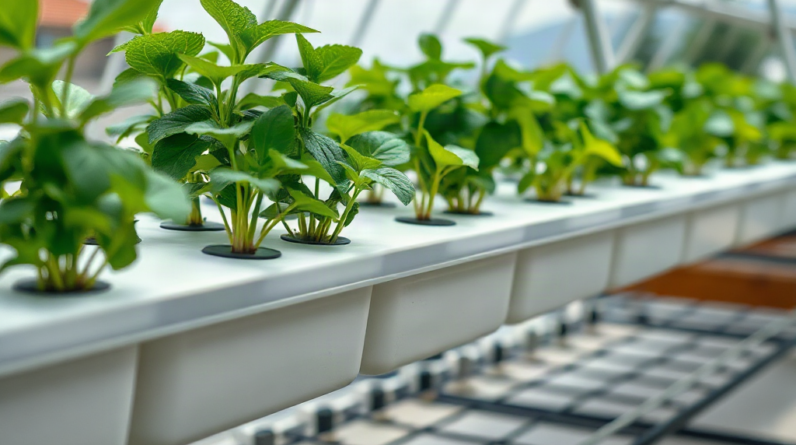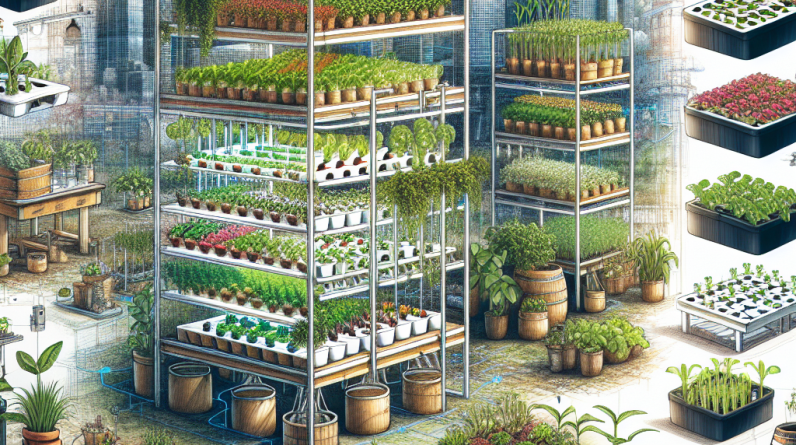

One of the primary benefits of a simple hydroponic garden is the control it provides over growing conditions. By managing factors such as nutrient concentration, pH levels, and water quality, gardeners can optimize plant health and growth rates. However, it’s important to recognize common pitfalls, such as over-fertilization or inadequate lighting, which can hinder success.
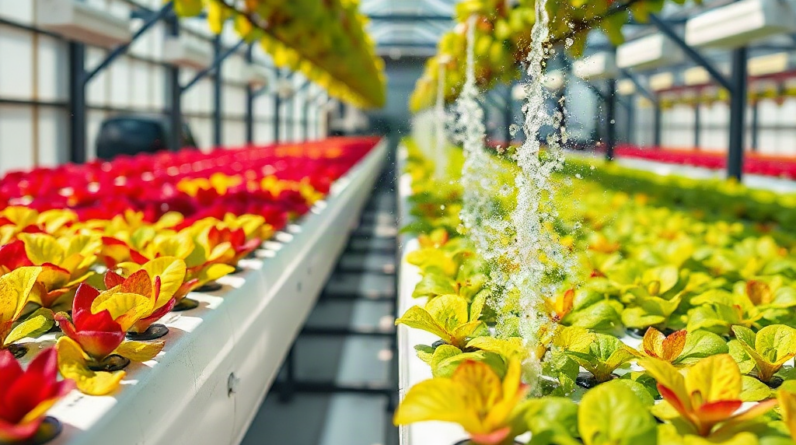
Additionally, beginners often underestimate the importance of selecting the right hydroponic system. Options such as deep water culture, nutrient film technique, or aeroponics each have unique requirements and benefits. Understanding these differences will help you choose a system that aligns with your gardening goals and available resources.
Choosing the Right Hydroponic System
Choosing the right hydroponic system is crucial for the success of your simple hydroponic garden. Various systems, such as deep water culture (DWC), nutrient film technique (NFT), and aeroponics, cater to different plant types and growth preferences. DWC, for instance, is excellent for beginners, as it provides a straightforward setup where plant roots are submerged in nutrient-rich water.
When selecting a system, consider factors like available space, plant types, and your level of commitment. NFT systems require more monitoring but can yield faster results. In contrast, systems like Kratky or Wick methods are low-maintenance and suitable for those just starting out. Prioritizing the right system can significantly impact your gardening experience and outcomes.
Additionally, be aware of the environmental conditions in your growing area. Factors such as temperature, humidity, and light availability will influence your system choice. A well-matched system can lead to healthier plants and a more enjoyable gardening experience.
Essential Nutrients for Hydroponic Growth
In a simple hydroponic garden, plants rely entirely on nutrient solutions for their growth, making it essential to understand the nutrient requirements specific to the plants you choose. The primary macronutrients needed are nitrogen, phosphorus, and potassium (NPK), while secondary nutrients include calcium, magnesium, and sulfur.
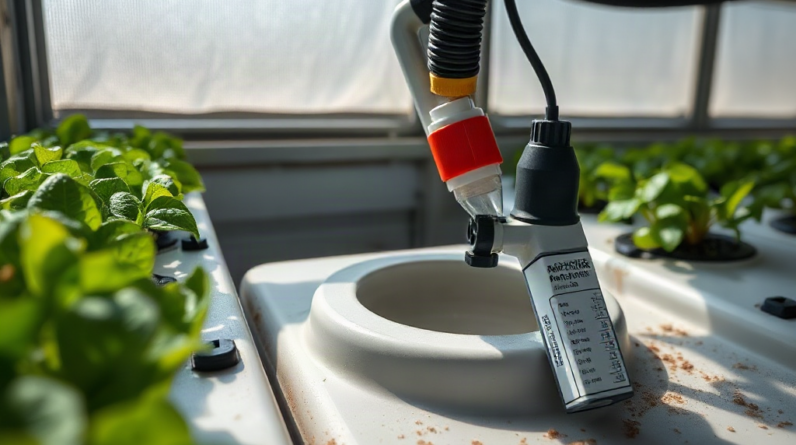
It’s vital to regularly test the nutrient solution’s pH and electrical conductivity (EC) to ensure optimal nutrient uptake. A pH range of 5.5 to 6.5 is generally ideal for most hydroponic plants. Additionally, consider using pre-mixed hydroponic nutrient solutions to simplify the process, especially if you’re a beginner.
One common mistake is neglecting to adjust nutrient concentrations as plants grow. Young plants require fewer nutrients, while mature plants need more. Monitoring growth stages and adjusting nutrient levels accordingly can prevent deficiencies and promote vigorous growth.
Lighting Considerations for Indoor Gardens
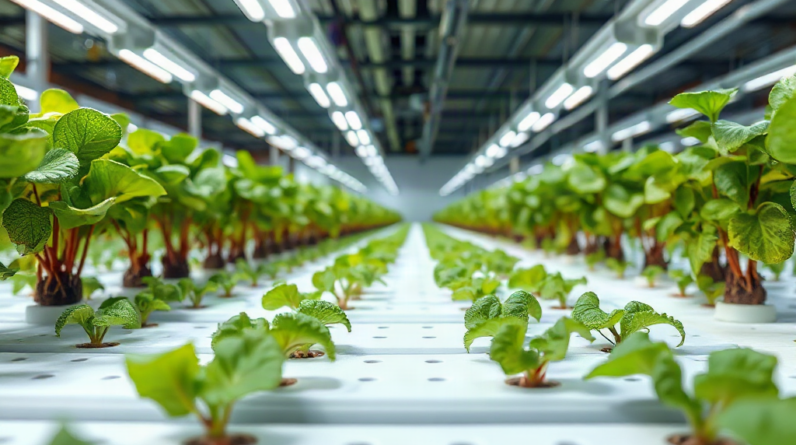
Proper lighting is crucial in a simple hydroponic garden, especially when growing indoors. Plants require specific light spectrums for photosynthesis, with blue light promoting vegetative growth and red light encouraging flowering and fruiting. LED grow lights are a popular choice due to their energy efficiency and customizable light spectrums.
When setting up your lighting, consider the distance between the light source and the plants. Too much light can cause leaf burn, while insufficient light can lead to leggy growth. A general rule of thumb is to place lights 12-24 inches above the plants, adjusting as they grow.
Additionally, be mindful of the light cycle. Most plants require 12-16 hours of light per day, followed by a dark period. Using a timer can help maintain consistent light schedules, which is essential for healthy plant development.
Common Mistakes in Hydroponic Gardening
Even in a simple hydroponic garden, beginners can make mistakes that hinder plant growth. One frequent error is failing to monitor water levels and nutrient concentrations regularly. Plants can quickly deplete their nutrient supply, leading to deficiencies that can affect growth and yield.
Another common mistake is overcrowding plants. Hydroponic systems often allow for high-density planting, but insufficient spacing can lead to poor air circulation and increased susceptibility to diseases. Always follow recommended spacing guidelines to ensure each plant has adequate room to thrive.
Lastly, don’t overlook the importance of cleanliness. Maintaining a sterile environment can prevent the introduction of pests and diseases. Regularly clean your equipment, check for algae growth, and ensure that your nutrient solution is fresh and free of contaminants.
Further Reading
Authoritative Sources
- Hydroponics 101
hydroponics.comThis resource offers a comprehensive overview of hydroponics, including various systems and techniques
- Gardening Know How
gardeningknowhow.comA practical guide to hydroponic gardening with detailed articles on nutrient management and system setups
- Planet Natural
planetnatural.comOffers insights into organic hydroponics and sustainable gardening practices
Frequently Asked Questions
What are the best plants for a simple hydroponic garden?
Common choices include herbs like basil and mint, leafy greens such as lettuce and spinach, and even vegetables like tomatoes and peppers.
How often should I change the water in my hydroponic system?
It’s recommended to change the water every 1-2 weeks to maintain nutrient balance and prevent algae growth.
Can I use tap water for my hydroponic garden?
Yes, but make sure to test the pH and chlorine levels, as high chlorine can harm plants. Filtering or letting tap water sit for 24 hours can help.
What kind of light is best for hydroponic plants?
LED grow lights are ideal as they provide the necessary spectrum for plant growth while being energy-efficient.
How can I prevent pests in my hydroponic garden?
Maintain cleanliness, regularly inspect plants, and consider introducing beneficial insects or using organic pest control methods.
Conclusion
In conclusion, starting a simple hydroponic garden can be a rewarding endeavor, offering numerous benefits such as space efficiency and faster growth rates. By carefully selecting the right system, monitoring nutrient levels, and ensuring proper lighting, you can create an environment conducive to healthy plant growth. Remember to avoid common pitfalls such as overcrowding and neglecting water quality. With these strategies in mind, you’ll be well on your way to enjoying the fruits of your labor in no time.