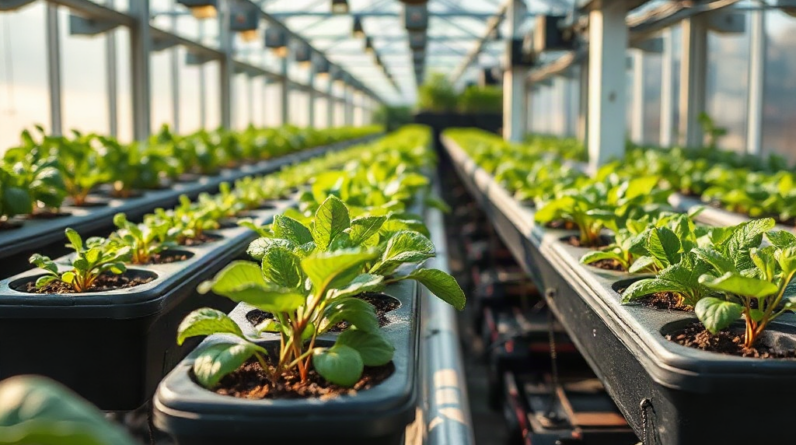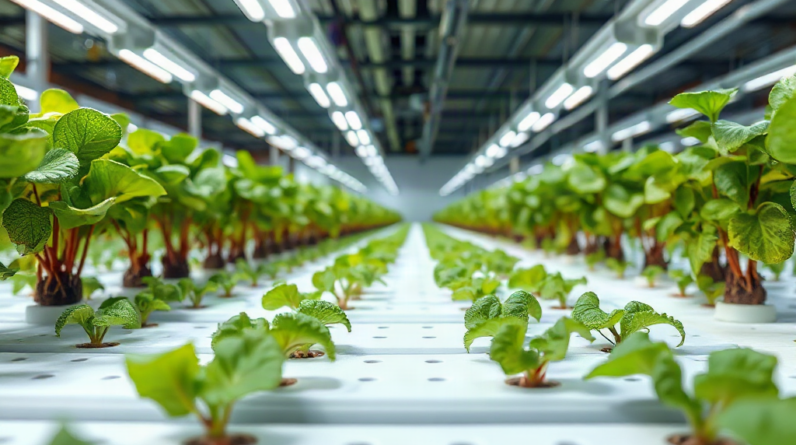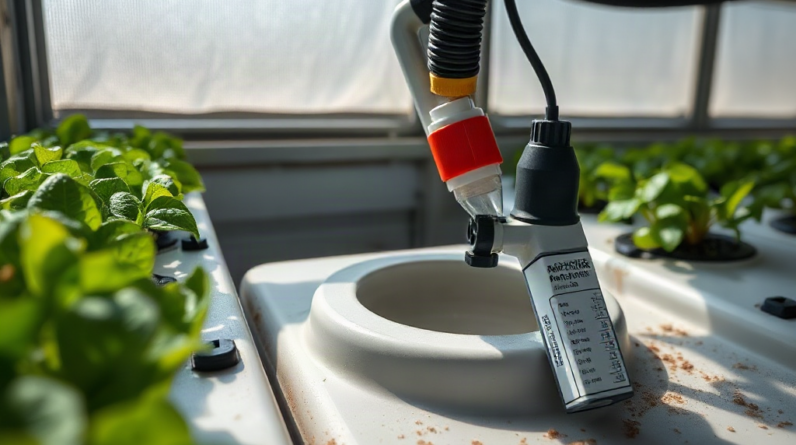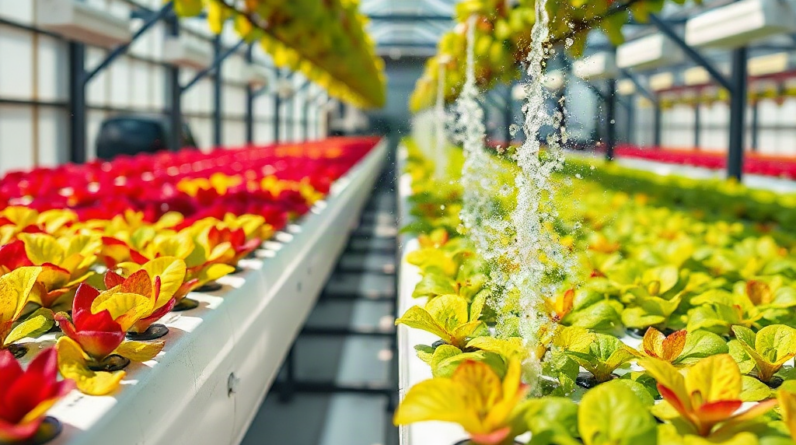
Hydroponic plants develop root rot mainly due to excessive moisture and insufficient oxygen in their growing environment. When roots are submerged in nutrient solutions for too long without adequate aeration, it creates conditions that favor harmful pathogens like Pythium, leading to root decay. To combat this issue, it's essential to regularly check water levels and ensure proper drainage in your hydroponic system. Additionally, using high-quality, sterile nutrient solutions can help prevent the introduction of pathogens. Monitoring the balance between moisture and oxygen is vital for maintaining healthy roots and preventing root rot.
Understanding Root Rot in Hydroponics
Root rot is a significant threat to hydroponic plants, primarily caused by waterlogged conditions and lack of oxygen. In hydroponic systems, roots are submerged in nutrient solutions, which can lead to anaerobic conditions if not managed properly. This creates an ideal environment for harmful pathogens, particularly those in the Pythium genus, which can lead to severe damage or death of the plants.
Understanding the dynamics of root rot is crucial for hydroponic gardeners. Unlike traditional soil gardening, where natural drainage occurs, hydroponic systems require careful monitoring of water levels and nutrient solutions to prevent stagnation. The balance between moisture and oxygen is vital to maintaining healthy root systems.
Common Causes of Root Rot
Several factors contribute to the development of root rot in hydroponic plants. The most common causes include overwatering, inadequate aeration, and poor water quality. Overwatering occurs when the nutrient solution is not properly drained or when plants are frequently submerged in water without sufficient drying periods.
Inadequate aeration can stem from using poorly designed hydroponic systems that do not allow for sufficient airflow around the roots. This lack of oxygen can lead to anaerobic conditions, promoting the growth of pathogens. Additionally, using contaminated water or nutrient solutions can introduce harmful microorganisms that exacerbate the problem.
Symptoms of Root Rot
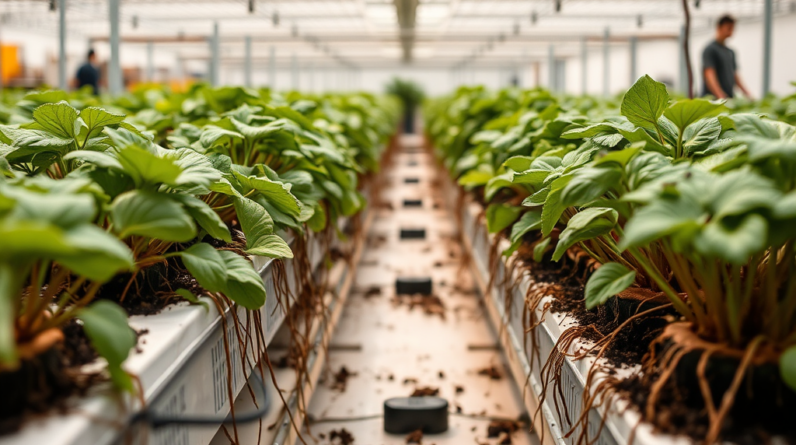
Identifying root rot early is essential to prevent further damage to hydroponic plants. Common symptoms include yellowing leaves, wilting, and stunted growth. As the condition progresses, the roots may appear brown or black, feeling mushy or slimy to the touch.
In some cases, a foul odor may emanate from the root zone, indicating the presence of decaying organic matter. It is important for gardeners to regularly inspect their plants and root systems to catch these signs early and take corrective action before the rot spreads.
Prevention Strategies for Root Rot
Preventing root rot involves implementing several best practices in hydroponic gardening. First, ensure proper drainage and avoid overwatering by regularly checking the moisture levels in the nutrient solution. Using timers for watering can help maintain optimal moisture levels without flooding the roots.
Second, enhance aeration by utilizing air stones or pumps that introduce oxygen into the nutrient solution, promoting healthy root growth. Additionally, regularly cleaning the hydroponic system and using sterile equipment can minimize the risk of pathogen introduction.
Frequently Asked Questions
What is the main cause of root rot in hydroponic systems?
The main cause of root rot in hydroponic systems is overwatering combined with poor oxygenation, leading to ideal conditions for pathogens.
How can I tell if my hydroponic plants have root rot?
Signs of root rot include yellowing leaves, wilting, brown or black mushy roots, and a foul odor from the root zone.
What are effective prevention methods for root rot?
Effective prevention methods include ensuring proper drainage, enhancing aeration, and maintaining clean nutrient solutions.
Can root rot be treated once it occurs?
While treatment options exist, such as removing affected roots and improving conditions, prevention is the best strategy for root rot.
Is root rot common in all hydroponic systems?
Root rot can occur in any hydroponic system, but its prevalence depends on water management practices and system design.
Further Reading
Authoritative Sources
- USDA National Institute of Food and Agriculture
nifa.usda.govResearch and extension resources related to agriculture, plants, soil, and food systems
- Extension Foundation Gardening Resources
extension.orgUniversity extension education resources for practical gardening and home agriculture topics
- USDA Natural Resources Conservation Service
nrcs.usda.govSoil, water, conservation, and land management resources for practical growing decisions