- Introduction
- Understanding Hydroponic Indoor Farming
- Essential Components for Success
- Common Challenges and Solutions
- Future Trends in Hydroponic Indoor Farming
- FAQ
- Conclusion
Introduction
Hydroponic indoor farming has recently gained immense popularity as an innovative way to grow plants without soil, utilizing nutrient-rich water instead. As we step into 2026, the relevance of this method has only increased, driven by urbanization, food security concerns, and a growing inclination towards sustainable practices. Many are discovering that hydroponic farming not only maximizes space but also increases crop yields while using fewer resources.
For those curious about transitioning to hydroponic indoor farming, understanding the fundamentals is crucial. Whether you’re a novice gardener or an experienced farmer, this guide provides essential tips and insights to ensure the success of your indoor garden in the coming years. Let’s explore some tips that will enhance your hydroponic farming journey.
Understanding Hydroponic Indoor Farming
What is Hydroponic Indoor Farming?
Hydroponic indoor farming is a method of growing plants in a controlled environment using a nutrient solution instead of traditional soil. This system allows farmers to grow various crops indoors, where they can minimize external environmental factors. As we look toward 2026, this technique is becoming increasingly necessary for urban food production.
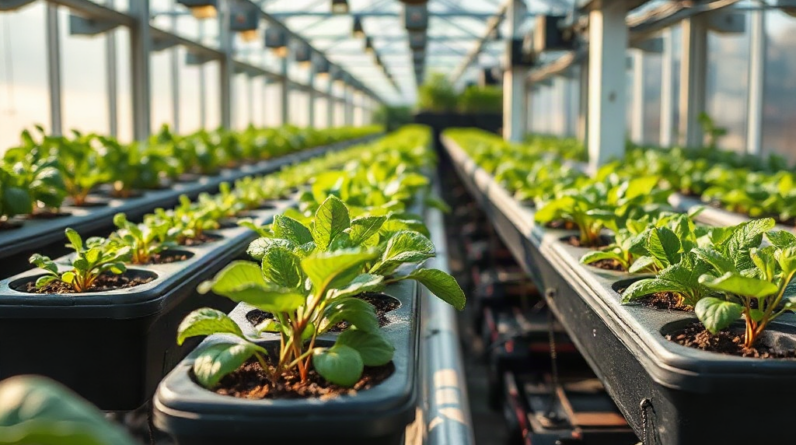
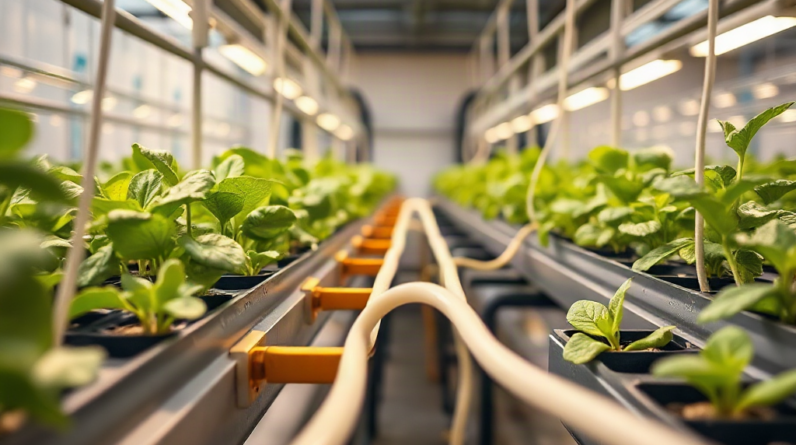
This type of farming uses various systems, such as deep water culture, nutrient film technique, and aeroponics. These methods promote faster plant growth and can yield multiple harvests throughout the year. With the right setup, hydroponic indoor farming can be a highly efficient way to produce fresh vegetables and herbs.
The Advantages of Hydroponic Farming
One of the primary advantages of hydroponic indoor farming is its resource efficiency. This method uses significantly less water than traditional farming, as the water can be recirculated. This makes it a sustainable choice, especially in areas facing water scarcity.
Moreover, hydroponic systems can be established in virtually any environment, making them ideal for urban areas with limited space. With optimal light and temperature control, farmers can grow crops year-round, providing a consistent supply of fresh produce regardless of seasonality.
Why Choose Indoor Hydroponics?
Choosing indoor hydroponic farming over traditional methods offers various benefits, primarily the ability to cultivate crops without the dependency on the weather. This flexibility allows urban farmers to bypass the challenges posed by pests and soil-borne diseases, which are more prevalent in outdoor farming.
Additionally, indoor settings enable growers to implement advanced technology such as LED grow lights, climate control systems, and automation tools. These improvements foster an ideal growing environment, directly contributing to healthier plants and higher yields.
Types of Hydroponic Systems
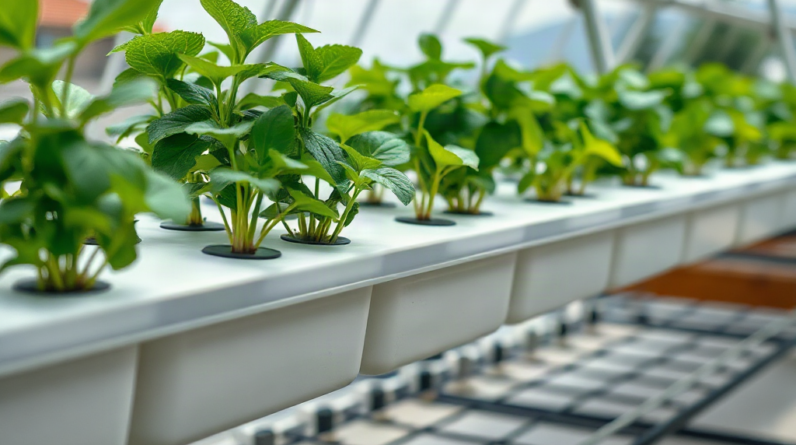
In hydroponic indoor farming, there are several system types to choose from based on your resources and goals. Deep Water Culture (DWC) is one popular method where plants are suspended in a nutrient-rich oxygenated solution. This system is known for its simplicity and effective growth rates.
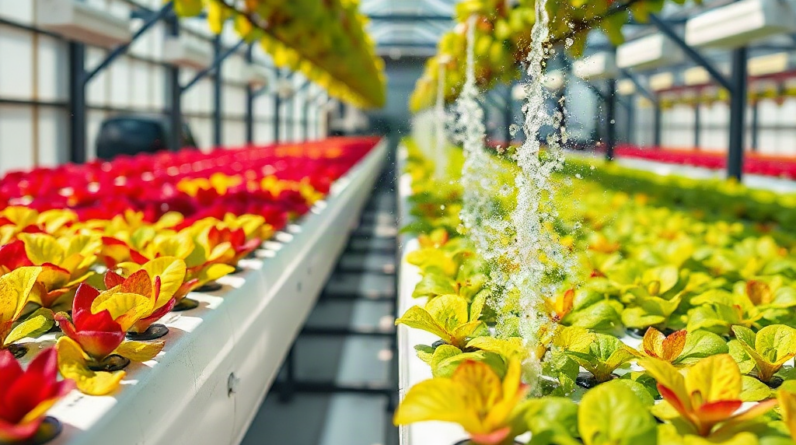
Another widely used method is Nutrient Film Technique (NFT), where a thin film of nutrient solution flows through the root system of the plants. NFT systems allow for consistent nutrient supply and oxygenation, which are vital for plant health. Understanding these systems is crucial to choosing the right setup for your indoor farm.
Essential Components for Success
Choosing the Right Grow Lights
When embarking on hydroponic indoor farming, selecting the appropriate grow lights is essential for plant growth. LED lights are highly recommended due to their energy efficiency and customizable light spectrum, which cater to different growth stages of plants.
In 2026, advances in lighting technologies are providing even more options, including smart lights that can adjust based on real-time environmental data. By investing in high-quality grow lights, you can significantly enhance the growth rate and quality of your crops.
Nutrients and pH Management
The success of hydroponic indoor farming heavily relies on the nutrient solution used to feed the plants. It’s crucial to choose a balanced mix containing essential macro and micronutrients. Regular monitoring of pH levels is equally important, as plants thrive within a specific pH range.
In 2026, it will be vital to become familiar with new nutrient formulations that may emerge, enhancing crop resilience and flavor. Keep an eye on emerging products designed for hydroponic systems to maximize your growing potential.
Growing Mediums for Hydroponics
While hydroponics means “no soil,” the medium used can significantly impact growth. Common hydroponic growing mediums include expanded clay pellets, coconut coir, and rock wool. Each medium has unique properties that affect water retention, aeration, and root support.
Incorporating the right growing medium tailored to the specific needs of your crops can greatly enhance their growth. As new products emerge in 2026, consider experimenting with innovative mediums that could offer better performance and crop yield.
Temperature and Humidity Control
Maintaining optimal temperature and humidity levels is critical for successful hydroponic indoor farming. Most plants thrive in temperatures ranging from 70°F to 80°F with relative humidity around 50-70%. Inadequate temperature control can stress plants, leading to lower yields.
In 2026, with the rise of smart climate technology, you can employ sensors and automated systems. These systems will help maintain the ideal temperature and humidity levels, ensuring your plants grow healthily and optimally.
Common Challenges and Solutions
Pest Control in Hydroponic Systems
Pests may still find their way into hydroponic indoor farming setups despite the reduced risk compared to soil-based gardening. Common intruders include aphids, spider mites, and whiteflies. Regular inspection of your plants can help catch infestations early.
Utilizing biological pest control methods, such as introducing beneficial insects or using natural repellents, can be effective strategies. In 2026, the trend toward organic pest management will likely continue, providing safer alternatives for managing pests in a hydroponic setup.
Nutrient Imbalances and Deficiencies
One of the most common challenges in hydroponics is nutrient imbalances, which can lead to deficiencies in essential elements. Regular monitoring of the nutrient solution’s composition and adjusting it accordingly ensures optimal growth.
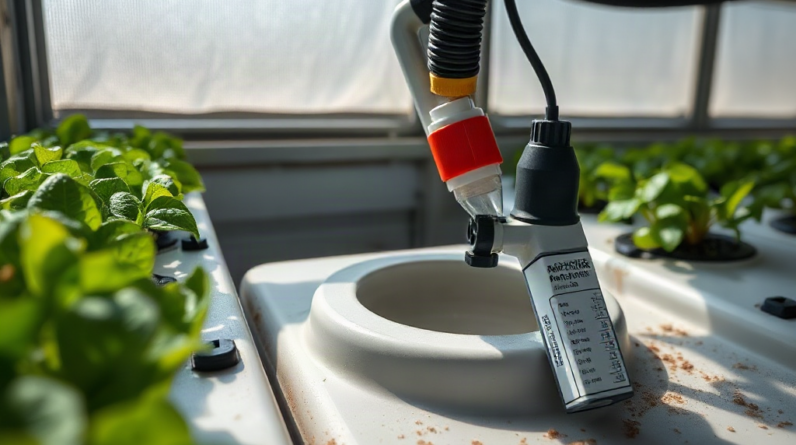
By employing nutrient test kits and automatic dosing systems to deliver precise amounts of nutrients, you can tackle these issues proactively. Staying informed on the latest nutrient management approaches in 2026 will give you an edge in maintaining plant health.
Water Quality Management
The quality of water used in hydroponic systems is vital for successful plant growth. Contaminated or mineral-heavy water can lead to serious health issues for plants. It’s essential to test water quality regularly and utilize filtration systems when needed.
As technology advances, solutions like water recycling systems and purification methods may become more accessible. Investing in these technologies in 2026 can greatly enhance the efficiency and sustainability of your hydroponic operation.
Technological Integration in Hydroponics
Integrating technology into hydroponic indoor farming can be a double-edged sword. While tech tools can streamline operations and improve results, bedding too much reliance on tech without proper knowledge can lead to failures. It’s crucial to balance between automation and manual oversight.
In 2026, you’ll find numerous apps and software designed specifically for hydroponics. Utilizing these tools effectively will allow you better management of your operation, from nutrient tracking to environmental control.
Future Trends in Hydroponic Indoor Farming
Vertical Farming Innovations
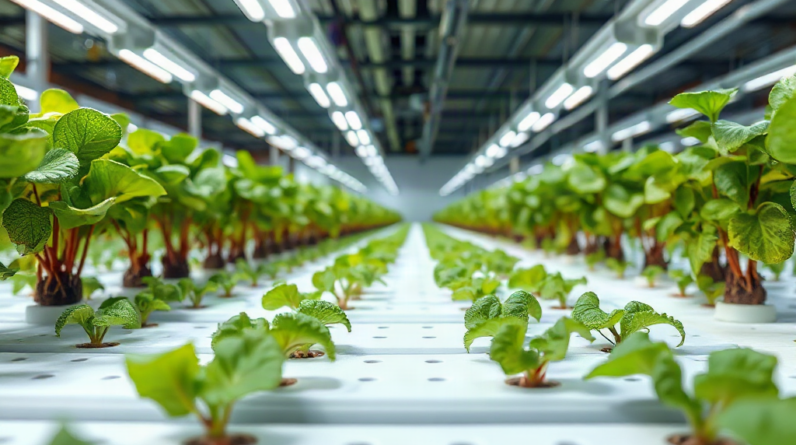
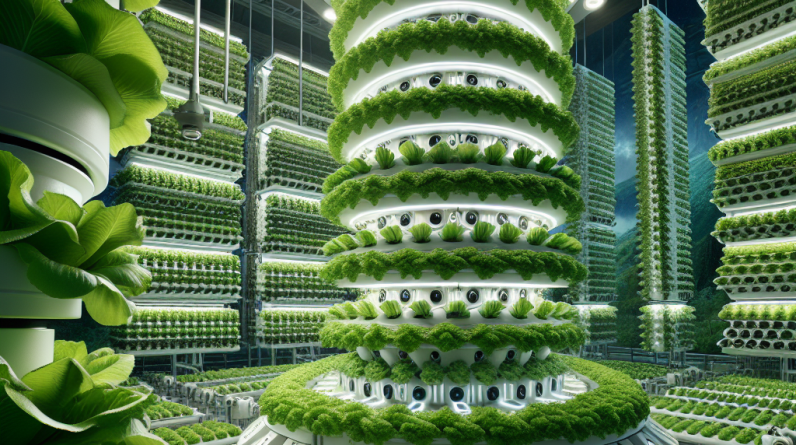
Vertical farming will likely continue evolving in the realm of hydroponic indoor farming. By stacking multiple layers of crops in a controlled environment, urban farmers can maximize yield and efficiency, significantly addressing space worries in city settings.
As technology advances, features like automated systems for planting, watering, and harvesting will likely become standard. This innovation will make vertical hydroponic farms more viable for commercial use, potentially shaping the future of urban agriculture in 2026.
Smart Hydroponic Systems
The development of smart hydroponic systems is revolutionizing how we approach indoor farming. These systems utilize sensors and artificial intelligence to monitor plant health, nutrient levels, and environmental conditions in real-time.
By adopting smart technology in hydroponic indoor farming, we can automate processes and reduce labor costs while also improving yield accuracy. As we advance towards 2026, the integration of IoT devices will allow a more seamless operation, making it easier for growers to manage their crops from anywhere.
Environmentally Friendly Practices
As awareness of environmental issues grows, so does the emphasis on sustainable practices in hydroponic indoor farming. Techniques such as composting organic waste and recycling water will become more prevalent as growers aim to reduce their carbon footprint.
In 2026, we may see a trend towards closed-loop systems in hydroponics, where everything from water to nutrients is reused efficiently. This shift will not only benefit the environment but also attract eco-conscious consumers keen on sustainable products.
Impacts of Climate Change
Climate change is reshaping agricultural practices across the globe, and hydroponic indoor farming offers promising solutions. By implementing indoor farming techniques, we can overcome some of the adverse effects of climate fluctuations, ensuring a stable food supply.
As we move into 2026, resilience against climate impacts will be a primary concern for growers. Hydroponic systems can adapt quickly to changing conditions, allowing farmers to be proactive rather than reactive in their agricultural strategies.
FAQ
What is hydroponic indoor farming, and how does it work?
Hydroponic indoor farming is a method where plants are grown in a nutrient solution rather than soil. This system allows precise control over growing conditions, which leads to faster growth rates and higher yields. The water in this system provides all the necessary nutrients, while the absence of soil reduces pests and diseases.
Are there specific crops that grow best in hydroponic systems?
Yes, certain crops thrive particularly well in hydroponic systems. Leafy greens like lettuce, kale, and herbs such as basil and cilantro yield excellent results. Additionally, fruiting crops like tomatoes and peppers can also be successfully cultivated in hydroponics with the right care.
How do I choose the right hydroponic system for my indoor farm?
Choosing the right hydroponic system largely depends on your space, budget, and the types of crops you’re interested in growing. Systems such as Deep Water Culture (DWC) and Nutrient Film Technique (NFT) are great for beginners and offer different benefits. Researching different methods and evaluating your goals will help you make the best choice.
What are the initial costs of setting up a hydroponic indoor farm?
Initial costs can vary widely based on the size and complexity of your hydroponic indoor farming setup. Basic systems for small-scale operations can be relatively affordable, while more sophisticated setups with advanced technology can lead to higher expenses. On average, a beginner-friendly system might start from $200 to $500.
Conclusion
In conclusion, hydroponic indoor farming presents an excellent solution for urban food production, particularly as we look toward 2026. By understanding the fundamentals, leveraging technology, and following the best practices outlined in this guide, you can successfully navigate the challenges and fully enjoy the rewards of this innovative growing method. Remember, as global demands for food rise, advancements in hydroponic farming will play a pivotal role in ensuring a sustainable future.
Find out more information about “hydroponic indoor farming”
Search for more resources and information: