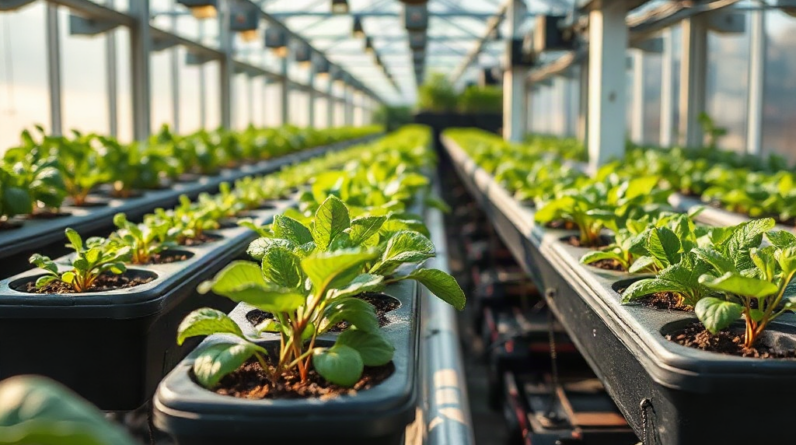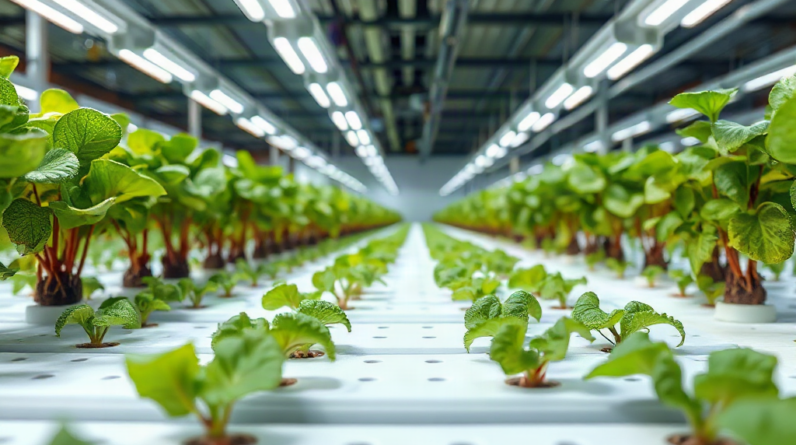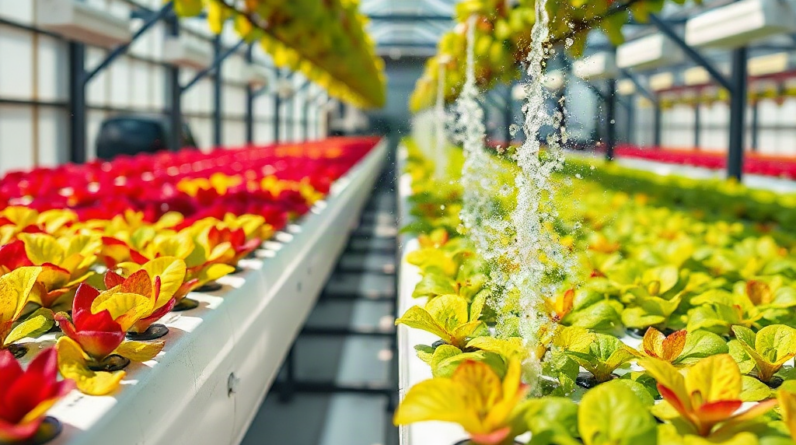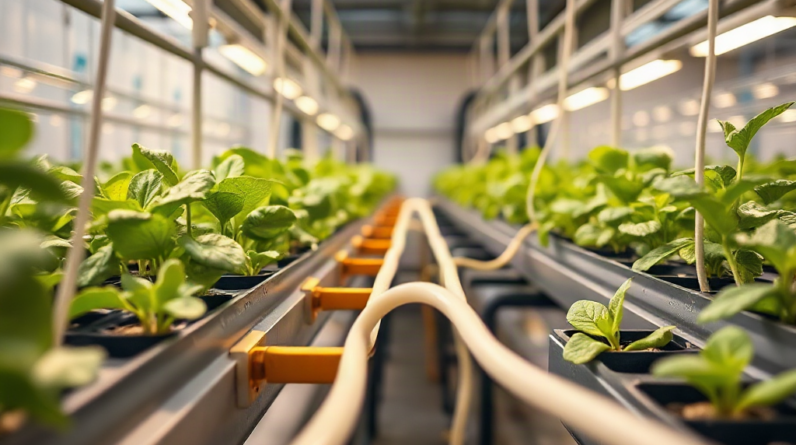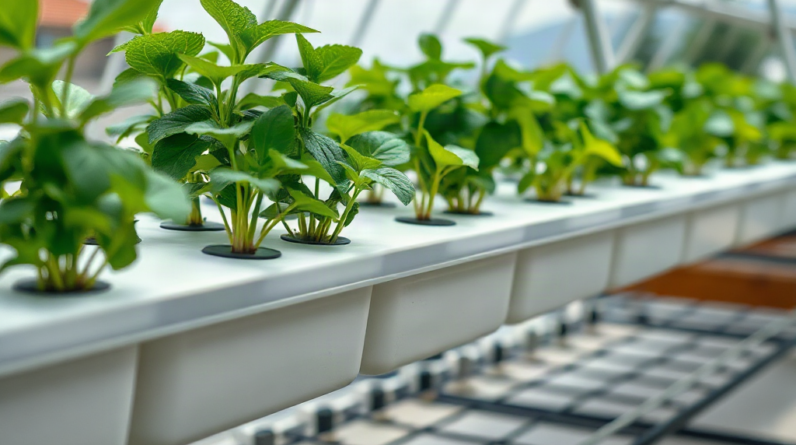
Dutch bucket hydroponics is a highly effective method for growing plants in a soil-free environment, utilizing individual containers filled with a growing medium to support roots while delivering water and nutrients directly. This technique is especially advantageous for larger crops, such as tomatoes and peppers, allowing for efficient use of space and resources. Each bucket operates independently, facilitating optimal drainage and nutrient control, which is essential for maximizing growth and yield.
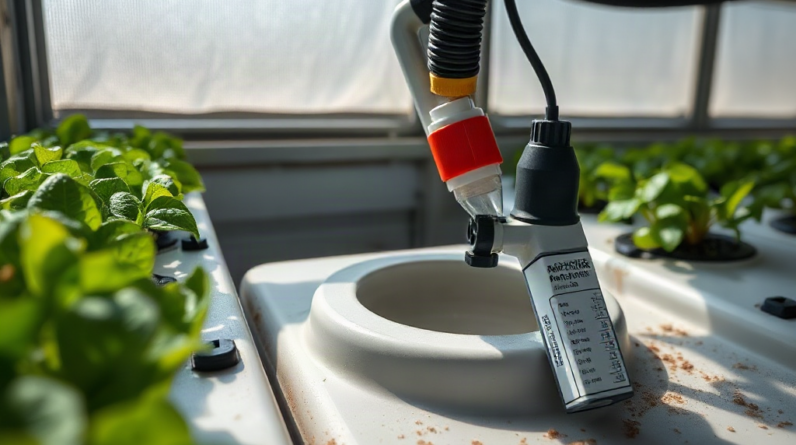
When implementing a Dutch bucket system, careful attention to water management is crucial. The setup typically includes a reservoir, a pump, and a network of tubing that delivers nutrient solutions to each bucket. A common mistake is failing to ensure proper drainage, which can lead to over-saturation and root rot. Additionally, maintaining the correct nutrient concentration and pH levels is vital for plant health. By prioritizing these factors, growers can achieve impressive results with minimal resource waste.
System Components
The Dutch bucket hydroponics system consists of several key components that work together to create an efficient growing environment. These include the buckets themselves, a reservoir for nutrient solution, a pump for distribution, and a drainage system. Each bucket is typically filled with a growing medium like expanded clay pellets or perlite, which supports the plant while allowing for good aeration and moisture retention.
Choosing the right components is essential for the success of the system. For example, buckets should have proper drainage holes to prevent waterlogging, and the pump should be capable of delivering the nutrient solution at the right pressure and flow rate. Neglecting to select appropriate materials can lead to inefficiencies or system failures.
Setup Process
Setting up a Dutch bucket hydroponics system involves several steps that require careful planning and execution. First, position the buckets in a manner that allows for adequate spacing between plants. Next, connect the buckets to a main water line that feeds from the reservoir. The pump should be installed to circulate the nutrient solution, ensuring each bucket receives adequate moisture.
It’s important to monitor the system closely during the initial setup. Adjustments may be necessary to optimize water delivery and nutrient absorption. Regular checks on pH levels and nutrient concentration will help maintain plant health and prevent issues related to nutrient deficiencies or toxicities.
Common Mistakes
Even experienced growers can encounter pitfalls when using Dutch bucket hydroponics. One of the most common mistakes is failing to provide adequate drainage, which can result in waterlogged roots and subsequent plant stress. Additionally, neglecting to monitor nutrient levels can lead to imbalances that affect plant growth.
Another frequent error is over-fertilizing; it’s crucial to follow recommended nutrient guidelines and adjust based on plant response. By being aware of these common mistakes, growers can take proactive steps to ensure a successful hydroponic garden.
Benefits of Dutch Bucket Hydroponics
The Dutch bucket hydroponics system offers numerous advantages, particularly for those looking to grow larger plants in limited space. This method allows for efficient water use, as the recirculating system minimizes waste. Furthermore, the individual buckets facilitate easy management of each plant’s specific needs, leading to healthier growth and higher yields.
Additionally, the ability to control nutrient delivery precisely can result in faster growth rates and improved crop quality. This approach is particularly beneficial for commercial growers seeking to maximize productivity while minimizing resource usage. Overall, Dutch bucket hydroponics represents a practical and effective solution for modern gardening challenges.
For those interested in exploring more about Dutch bucket hydroponics, consider checking official agricultural extension resources or hydroponics publications. These sources often provide valuable insights into best practices and innovative techniques for successful hydroponic gardening.
Frequently Asked Questions
What plants are best suited for Dutch bucket hydroponics?
Plants like tomatoes, cucumbers, and peppers thrive in Dutch bucket systems due to their larger root structures and nutrient needs.
How often should I change the nutrient solution?
It is recommended to change the nutrient solution every two to three weeks to maintain optimal nutrient levels and prevent algae growth.
What is the ideal pH level for Dutch bucket hydroponics?
The ideal pH range for most hydroponic crops in a Dutch bucket system is between 5.5 and 6.5.
Can I use soil in Dutch bucket hydroponics?
No, using soil is not recommended, as it can clog the system; inert growing media like perlite or coconut coir is preferred.
How much space do I need between Dutch buckets?
A spacing of 12 to 18 inches between buckets is generally recommended to allow for proper growth and airflow.
Conclusion
In summary, Dutch bucket hydroponics offers a practical and efficient way to cultivate a variety of plants in a controlled environment. By focusing on key components, proper setup, and avoiding common mistakes, growers can achieve impressive results. Prioritizing nutrient management and monitoring plant health will ensure a successful hydroponic garden that maximizes yield and minimizes resource use. For anyone looking to enhance their gardening experience, this method is worth exploring.