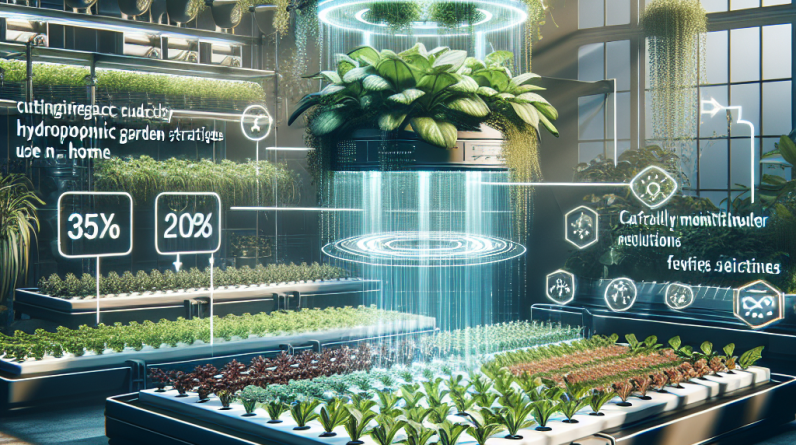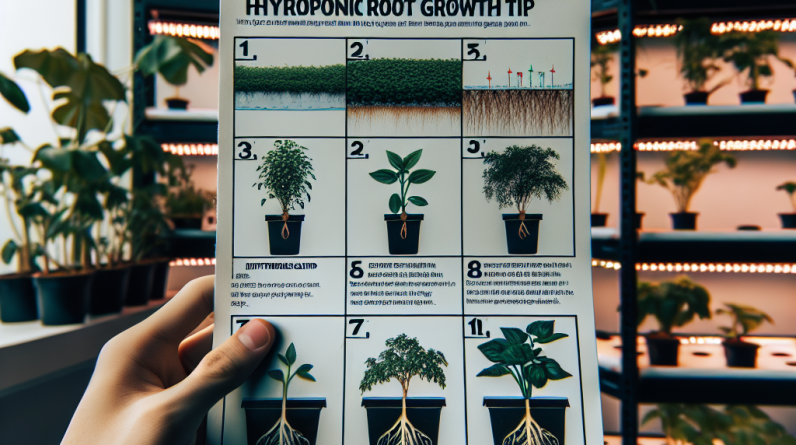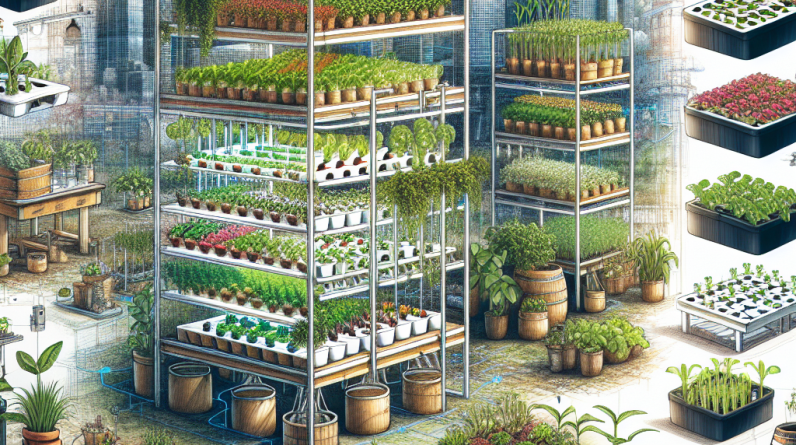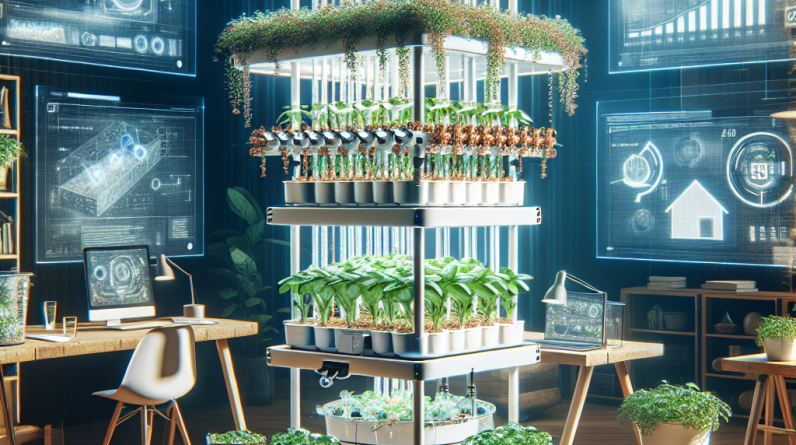
Many aspiring hydroponic gardeners fall short due to common pitfalls such as inadequate planning, suboptimal nutrient solutions, or improper environmental controls. A frequent misstep is assuming that hydroponics is simply “set it and forget it.” In reality, the success of your grow room hinges on consistent monitoring and adjustments to cater to plant needs. Budget constraints, available space, and personal skill levels will also influence the system you choose and how you maintain it. Prioritizing the essential components, such as lighting and nutrient delivery, will set you on the right path to cultivate a thriving indoor garden.
Understanding Hydroponics Basics
At its core, hydroponics is a method of growing plants without soil, utilizing a nutrient solution instead. This approach allows for greater control over the growing conditions, which can lead to faster plant growth and higher yields. Understanding the different hydroponic methods—such as nutrient film technique (NFT), deep water culture (DWC), and aeroponics—can help you select the most suitable approach for your goals and available resources.
It’s crucial to recognize that not all plants thrive in hydroponic systems. Leafy greens like lettuce, herbs, and certain fruits perform exceptionally well, whereas root vegetables may not yield the desired results. Moreover, beginners often overlook the importance of pH levels and nutrient concentration, which can drastically affect plant health and productivity. A thorough understanding of these basics will establish a solid foundation for your indoor garden.
Choosing the Right Hydroponic System
The choice of hydroponic system is fundamental to your success. Each system has its own advantages and disadvantages, often dictated by your space, budget, and experience level. For instance, deep water culture systems are relatively simple and suitable for beginners, while aeroponics systems require more technical knowledge but can yield faster growth rates. Evaluating your specific needs will guide you in selecting a system that aligns with your gardening ambitions.
Tradeoffs often arise between ease of use and potential yield. For example, while a nutrient film technique may produce higher yields, it demands more frequent monitoring and adjustments compared to simpler systems. Understand your capacity for maintenance and the time you can dedicate to your grow room. Balancing these factors will lead you to a choice that is sustainable and rewarding.
Essential Equipment for Your Grow Room
Setting up a successful grow room requires specific equipment tailored to hydroponics. Key components include grow lights, a water pump, a nutrient reservoir, and a pH meter. Grow lights are particularly critical as they provide the necessary light spectrum for photosynthesis, often requiring investment in full-spectrum LED or HID lights to mimic natural sunlight.
While it may be tempting to skimp on equipment to save costs, doing so can lead to suboptimal plant growth and wasted resources. For example, using lower-quality grow lights can result in poor yields and increased energy costs. It’s wise to prioritize investing in high-quality lighting and nutrient delivery systems, as these will have the most significant impact on your overall productivity.
Nutrient Management in Hydroponics
Nutrient management is a critical aspect of hydroponics that can make or break your success. Unlike traditional gardening, where nutrients are naturally present in the soil, hydroponic systems require you to supply all essential nutrients through a carefully balanced solution. This includes macronutrients like nitrogen, phosphorus, and potassium, as well as micronutrients such as calcium and magnesium.
Beginners often underestimate the importance of regular monitoring and adjustments of nutrient solutions. Over-fertilization can lead to nutrient burn, while under-fertilization can stunt growth. Investing in a reliable nutrient management system and regularly checking pH and electrical conductivity (EC) levels will help maintain the right balance and support healthy plant growth.
Common Challenges and Solutions
<pDespite the advantages of hydroponics, several challenges can arise, especially for those new to the practice. Common issues include algae growth, root rot, and nutrient imbalances. Algae can thrive in poorly managed systems, leading to competition for nutrients and oxygen, while root rot can occur from overwatering or insufficient aeration.
To mitigate these challenges, it’s vital to maintain cleanliness in your grow room and regularly inspect your plants for signs of distress. Implementing a routine maintenance schedule can help you catch problems before they escalate. Additionally, educating yourself about the specific needs of the plants you’re growing will better equip you to respond effectively to any issues that arise.
Further Reading
Related Resources
- Home Hydroponic Gardening Ideas: Practical Methods for Growing Fresh Produce Indoors
- Compact Hydroponic Grow Kit: Essentials for Thriving Indoor Gardens
- Grow Hydroponically Without Sunlight: Effective Methods for Indoor Plant Cultivation
- Hydroponic Gardening Setup: Essential Steps for Thriving Indoor Plants
Frequently Asked Questions
What plants are best suited for hydroponics?
Leafy greens, herbs, and fruiting plants like tomatoes and peppers typically thrive in hydroponic systems.
How often should I change the nutrient solution?
Generally, it’s recommended to change the nutrient solution every 1-2 weeks to prevent nutrient imbalances and ensure optimal plant growth.
Can I use tap water for my hydroponic system?
Tap water can be used, but it’s essential to check for chlorine and other contaminants that can harm plants. It’s often better to use filtered or distilled water.
Is hydroponics expensive to start?
The initial investment can be higher than traditional gardening due to equipment costs, but the potential for higher yields can offset this over time.
How do I maintain proper pH levels in my hydroponic system?
Regularly test the pH of your nutrient solution and adjust it as necessary using pH up or pH down solutions to keep it within the ideal range of 5.5 to 6.5.
Conclusion
Mastering grow room hydroponics is an exciting journey that can yield substantial rewards, but it requires careful planning and execution. Focus on understanding the fundamentals, selecting the right system for your needs, and investing in quality equipment. Regular maintenance and attentive nutrient management will further enhance your chances of success. As you grow more comfortable with the process, you’ll discover the unique benefits that hydroponics can bring to your indoor gardening experience.