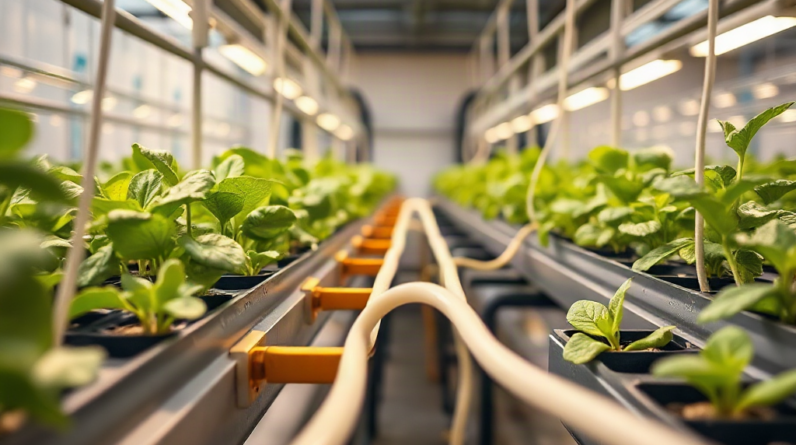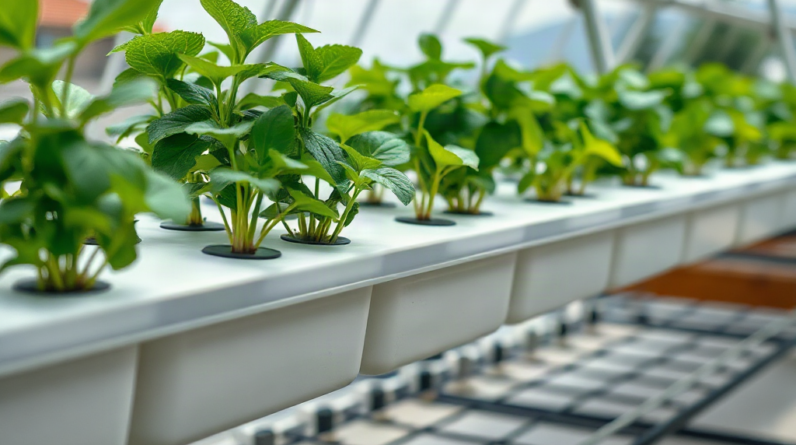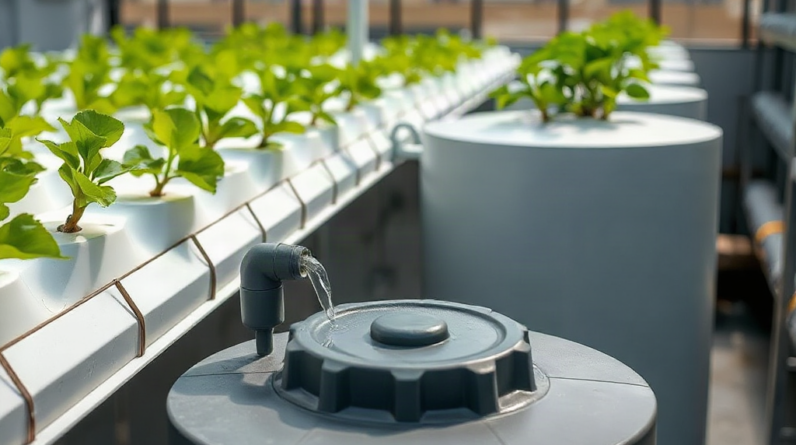
Indoor agriculture has surged in popularity, particularly through the use of hydroponic growing tents. These controlled environments allow enthusiasts to cultivate plants year-round, regardless of the external weather conditions. A hydroponic growing tent is essentially a self-contained unit equipped with everything needed for efficient plant growth, including lighting, ventilation, and nutrient delivery systems. This method not only maximizes space but also optimizes resource use, making it a favored choice for both hobbyists and serious growers.
However, entering the world of indoor hydroponics isn’t without its challenges. Many newcomers underestimate the complexities involved, such as maintaining the correct temperature, humidity, and nutrient balance. Poor choices in equipment, inadequate planning, or neglecting the specific needs of the chosen plants can lead to disappointing results. Understanding these variables is crucial for anyone looking to successfully run a hydroponic system, especially within a confined space like a growing tent.
In addition, the initial investment can vary widely based on the size of the tent, the equipment selected, and the plants you wish to grow. Beginners may find themselves overwhelmed by the sheer volume of options available, leading to misinformed decisions that could hamper their success. Prioritizing research and careful planning can help mitigate these pitfalls and set the stage for a thriving indoor garden.
Choosing the Right Hydroponic Growing Tent
When selecting a hydroponic growing tent, size and material are paramount. The dimensions should correspond to your available space and the number of plants you intend to cultivate. Common sizes range from small, personal units that fit in a closet to larger setups that can occupy an entire room. The material of the tent should be durable and reflective, as this enhances light efficiency while providing a stable environment.
Trade-offs often arise between budget and quality. Cheaper tents may save initial costs but often lack the insulation and durability necessary for maintaining optimal growing conditions. Additionally, consider the tent’s design for ventilation; airflow is critical in preventing mold and ensuring healthy plant growth. As you decide, think about whether you plan to grow a few herbs or a more extensive vegetable garden, as this will significantly influence your tent choice.
Essential Equipment for Your Hydroponic System
Beyond the tent itself, several pieces of equipment are crucial for successful hydroponic growing. At a minimum, you’ll need adequate lighting—LED grow lights are popular for their energy efficiency and low heat output. A reliable nutrient solution tailored to your plant types is also essential, as hydroponic systems rely on water for nutrient delivery. Additionally, a good ventilation system will help regulate temperature and humidity, two critical factors in plant health.
Investing in quality equipment can prevent common issues like nutrient lockout or temperature fluctuations that could hinder plant growth. Beginners often overlook the importance of water quality, which can affect nutrient absorption; using filtered water can enhance your results. Make sure to balance your choices between your budget and your commitment level, as high-quality gear often leads to better outcomes and can save money in the long run by reducing failures.
Common Mistakes and How to Avoid Them
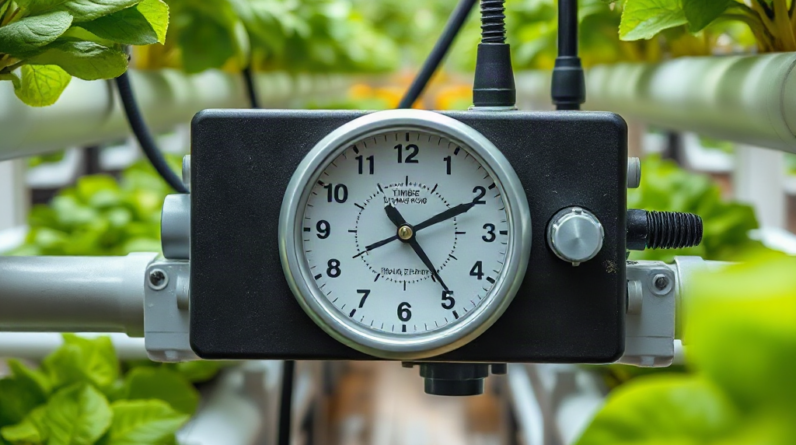
Even seasoned growers can fall prey to common pitfalls when setting up a hydroponic system. One major mistake is neglecting to monitor pH and nutrient levels regularly. Hydroponics depends on a delicate balance; failing to check these parameters can lead to nutrient deficiencies or toxicities, adversely affecting plant growth. Many beginners also underestimate the importance of lighting schedules, which can disrupt plant cycles if not managed carefully.
Another frequent issue is overcrowding plants, which can limit airflow and increase the risk of diseases. It’s essential to consider the mature size of each plant and provide adequate spacing to promote healthy growth. By prioritizing regular monitoring and understanding the specific needs of your crops, you can significantly improve your success rate. Avoiding the assumption that all plants thrive under the same conditions is crucial; research is your best ally.
Maintenance and Optimization Strategies
Once your hydroponic growing tent is operational, maintenance becomes key to sustained success. Regular cleaning of the system and tent is vital to prevent mold, algae, and pests. Establishing a routine for checking nutrient levels, pH, and environmental conditions will promote a healthy growing environment. Consider investing in automation tools like pH meters and nutrient dosing systems to minimize manual adjustments and errors.
Beyond maintenance, optimization strategies can further enhance your yields. Techniques such as training plants to grow in specific shapes can maximize light exposure and space efficiency. Additionally, consider crop rotation and intercropping to diversify your harvest and mitigate pest issues. By treating your hydroponic garden as a dynamic ecosystem and regularly adjusting your practices, you can achieve continuous improvement and bountiful harvests.
Further Reading
Authoritative Sources
- MedlinePlus
medlineplus.govConsumer-friendly medical and health information from the U.S. National Library of Medicine.
- National Institutes of Health
nih.govResearch-based health information and links to authoritative medical resources.
- Centers for Disease Control and Prevention
cdc.govOfficial public health guidance, prevention resources, and topic-specific recommendations.
- Mayo Clinic
mayoclinic.orgTrusted clinical guidance, symptom explainers, and treatment overviews.
- World Health Organization
who.intGlobal health guidance, fact sheets, and evidence-based public health information.
Frequently Asked Questions
What plants are best suited for hydroponic growing tents?
Leafy greens, herbs, and small fruiting plants like strawberries or peppers generally thrive in hydroponic systems due to their growth habits and shorter life cycles.
How much space do I need for a hydroponic growing tent?
The space required depends on the number of plants and the size of the tent, but typically, a 2×4 ft tent can accommodate around 6-8 medium-sized plants comfortably.
Can I use tap water in my hydroponic system?
While tap water can be used, it’s advisable to test its pH and chlorine levels. Filtering or using distilled water can improve nutrient absorption and overall plant health.
How often should I change the nutrient solution?
It’s best to change the nutrient solution every two weeks, but monitoring plant growth and water levels can help determine if more frequent changes are needed.
Do I need special lighting for my hydroponic tent?
Yes, specialized grow lights are recommended to provide the correct spectrum and intensity for photosynthesis, with LED lights being a popular choice for their efficiency.
Conclusion
Mastering indoor agriculture with a hydroponic growing tent requires thoughtful planning and ongoing management. By prioritizing quality equipment, understanding the specific needs of your plants, and regularly monitoring environmental conditions, you can create a thriving indoor garden. Remember, the journey involves learning from mistakes and making adjustments along the way. Start with a clear vision, stay committed, and enjoy the rewards of fresh, home-grown produce all year round.