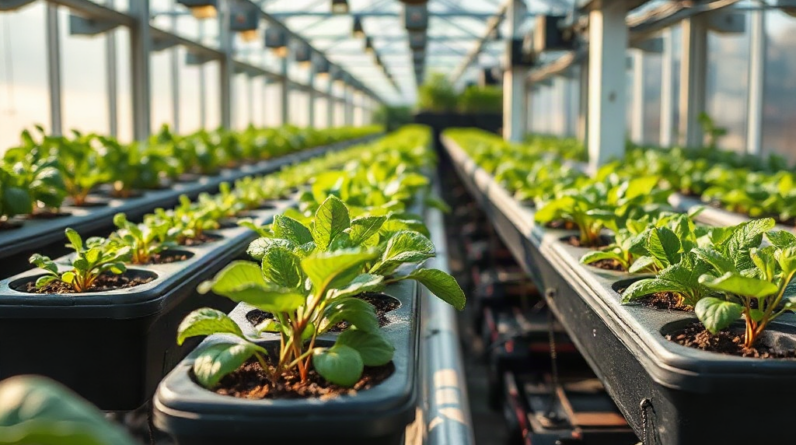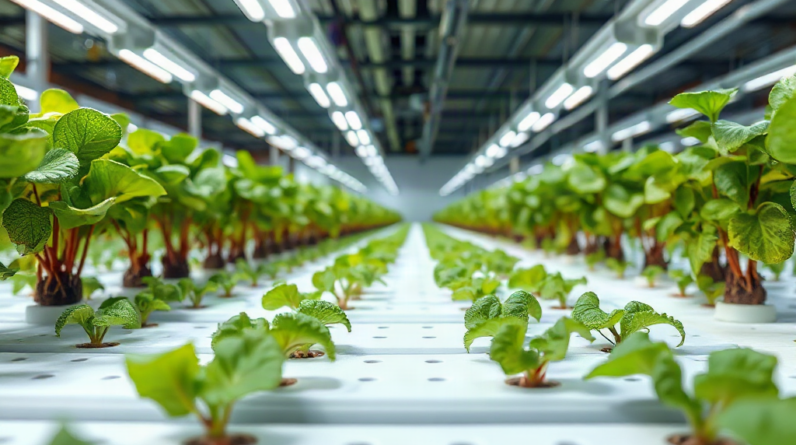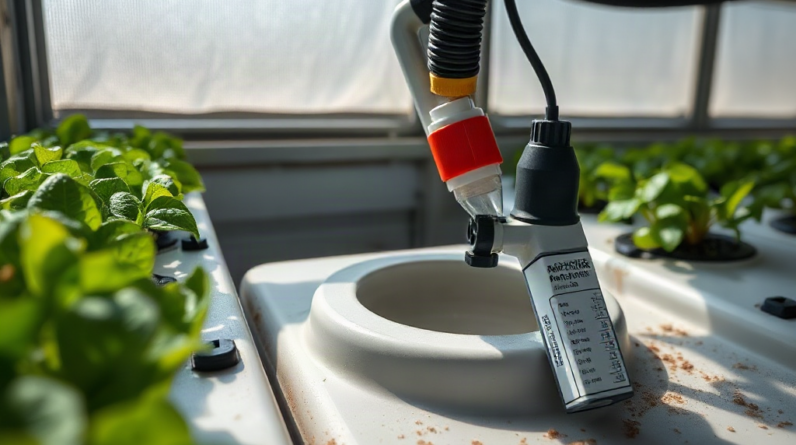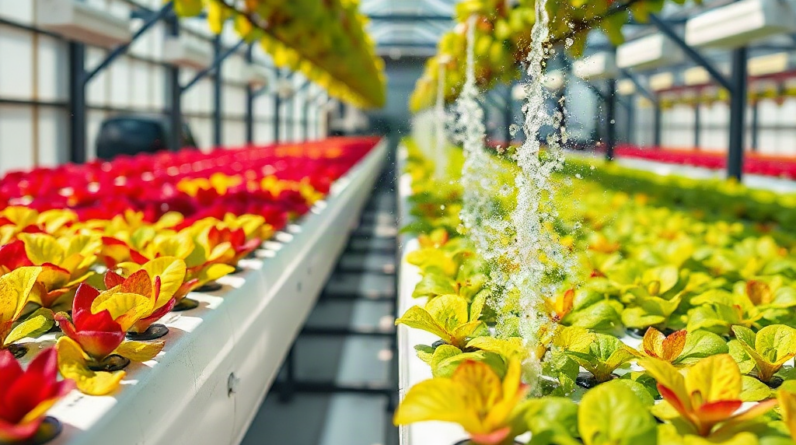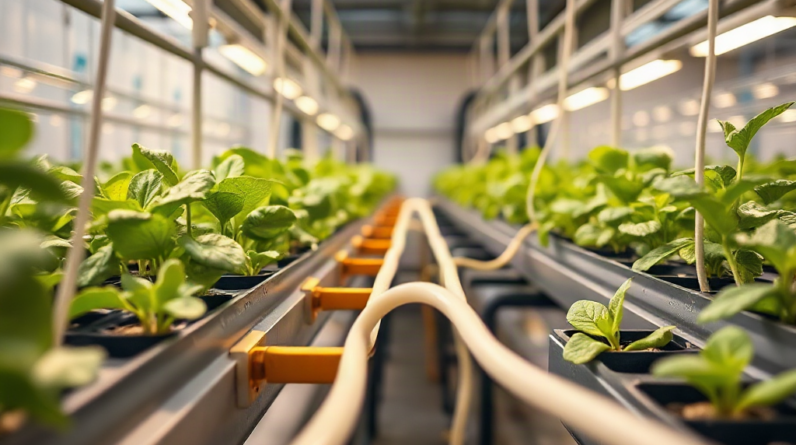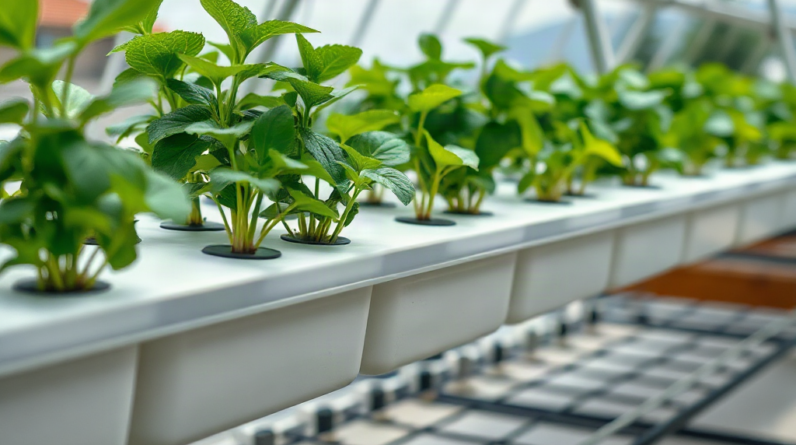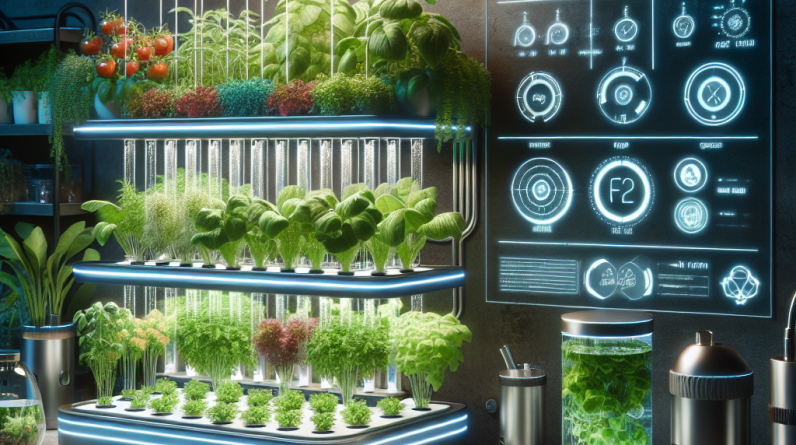
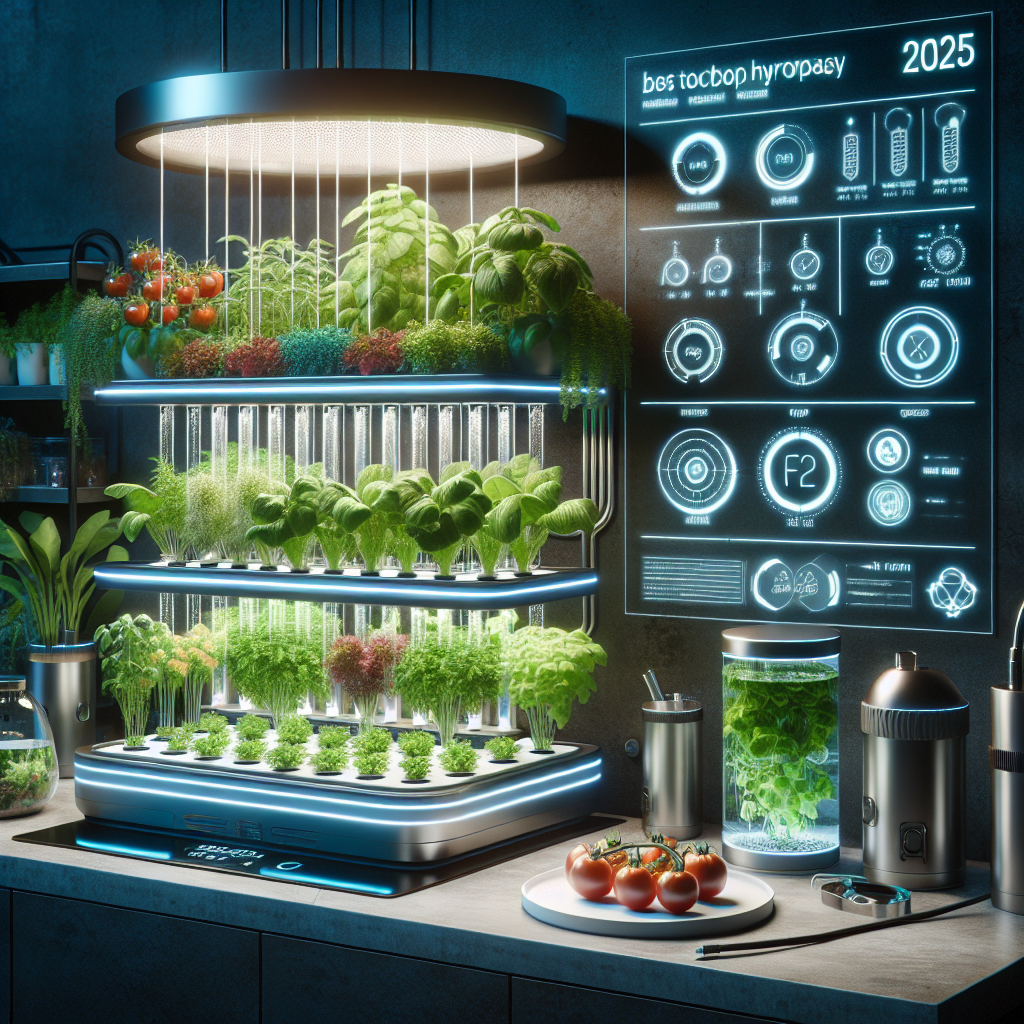
Understanding the mechanics behind these systems is crucial for achieving the best results. Drip systems provide a slow, steady flow of nutrients, which can prevent over-saturation and root rot. NFT, on the other hand, allows a thin film of nutrient solution to flow over roots, maximizing oxygen exposure. Aeroponics suspends plants in air, misting them with nutrient solution, which can lead to faster growth rates but requires careful monitoring.
Many growers underestimate the importance of system maintenance. Regular checks on pH levels, nutrient concentrations, and system cleanliness can prevent common issues such as algae growth or nutrient lockout. Prioritizing these factors can significantly enhance the efficiency of the watering system, leading to healthier plants and greater yields.
Understanding Hydroponic Watering Systems
A hydroponic watering system delivers water and nutrients directly to the plants without soil. This method allows for precise control over nutrient levels and moisture content, which can lead to faster growth and higher yields. The efficiency of these systems lies in their ability to minimize water usage while maximizing nutrient absorption.
In hydroponics, water management is critical. Traditional soil-based growing relies on the soil to retain moisture, but in hydroponics, the system must be designed to ensure plants receive the exact amount of water they need. Over or under-watering can lead to poor plant health, so understanding the needs of the specific plants being grown is essential.
Moreover, the choice of a hydroponic system can influence watering efficiency. Systems like deep water culture (DWC) and aeroponics significantly differ in their approach to delivering water and nutrients, impacting how growers should manage their setups.
Key Methods for Efficient Watering
Several methods are commonly used in efficient hydroponic watering systems, each with its own advantages. Drip irrigation is widely favored for its ability to deliver water directly to the root zone, reducing evaporation and runoff. This method involves a network of tubes and emitters that can be easily adjusted to meet the specific needs of the plants.
Another effective method is the Nutrient Film Technique (NFT), where a thin film of nutrient solution continuously flows over the roots of the plants. This method ensures that the roots receive adequate oxygen while being nourished, promoting vigorous growth. However, NFT systems require constant monitoring to prevent pump failures or blockages that could lead to plant stress.
Aeroponics, which involves suspending plants in air and misting their roots with nutrient solution, can yield rapid growth rates. This method is particularly efficient in terms of water usage, but it demands precise control over environmental conditions to avoid stress on the plants.
Common Mistakes to Avoid
Many growers make critical mistakes when setting up their hydroponic watering systems. One common error is neglecting to monitor pH and nutrient levels regularly. Imbalanced pH can hinder nutrient uptake, leading to deficiencies that stunt plant growth. Growers should invest in quality testing equipment to maintain optimal conditions.
Another mistake is overwatering. Unlike soil, which can buffer moisture levels, hydroponic systems require careful calibration. Overwatering can drown roots and lead to root rot, while underwatering can cause plants to wilt and become stressed.
Additionally, failing to clean the system can result in algae growth and blockages in the lines, which can severely impact plant health. Regular maintenance is essential to ensure the longevity and efficiency of the watering system.
Maintaining Your Hydroponic System
Effective maintenance of a hydroponic watering system is crucial for sustained plant health. Regularly checking and adjusting the pH and nutrient levels helps ensure that plants have access to the necessary elements for growth. It’s advisable to maintain pH levels between 5.5 and 6.5 for optimal nutrient absorption.
Moreover, growers should routinely flush the system to prevent the buildup of salts and residues that can affect plant health. This process involves running clean water through the system to remove any accumulated nutrients and contaminants.
Monitoring environmental factors such as light, temperature, and humidity also plays a vital role in maintaining an efficient system. These factors can affect nutrient uptake and overall plant health, so adjustments may be necessary based on the specific needs of the crops being grown.
Further Reading
Authoritative Sources
- Hydroponics 101
hydroponics.comThis resource provides comprehensive guides on various hydroponic systems and best practices for efficient watering
- Gardening Know How
gardeningknowhow.comOffers practical advice for troubleshooting common hydroponic issues and optimizing plant growth
- Maximum Yield
maximumyield.comA leading source for hydroponics and indoor gardening, including advanced techniques and system maintenance tips
Frequently Asked Questions
What is the best hydroponic watering system?
The best system often depends on the specific plants being grown, but drip systems and NFT are popular for their efficiency and effectiveness.
How often should I water my hydroponic plants?
Watering frequency varies by system and plant type, but monitoring moisture levels regularly is key to preventing over or under-watering.
Can I use tap water for my hydroponic system?
Yes, but it’s essential to test and adjust the pH and nutrient levels, as tap water may contain chlorine or other chemicals that can affect plant health.
What nutrients do hydroponic plants need?
Hydroponic plants require a balanced mix of macronutrients (nitrogen, phosphorus, potassium) and micronutrients (iron, magnesium, calcium) for optimal growth.
How do I prevent algae growth in my system?
To prevent algae, keep your system clean, ensure adequate light control, and maintain proper nutrient levels to minimize excess organic matter.
Conclusion
In conclusion, an efficient hydroponic watering system is essential for maximizing plant health and yield. By understanding the various methods available, avoiding common mistakes, and maintaining your system diligently, you can create an optimal growing environment. Prioritize regular monitoring of pH and nutrient levels, and be proactive in system maintenance to ensure your hydroponic setup remains effective. With the right approach, you can achieve remarkable results in your hydroponic gardening endeavors.