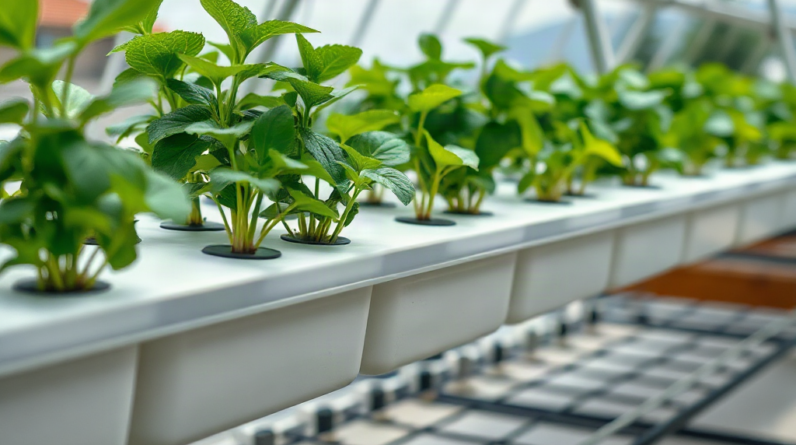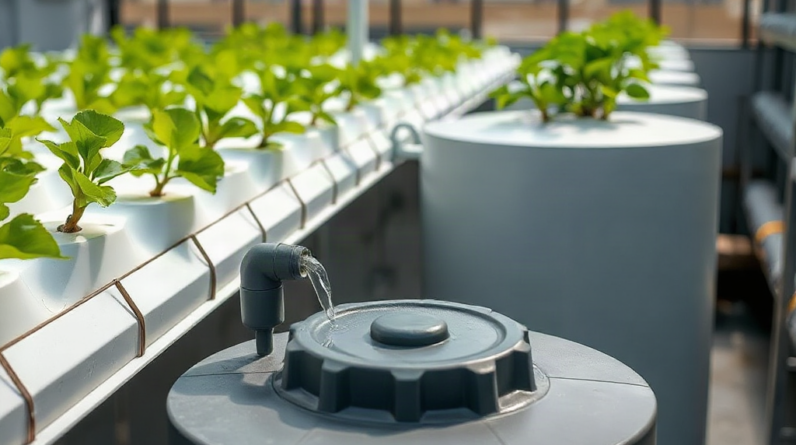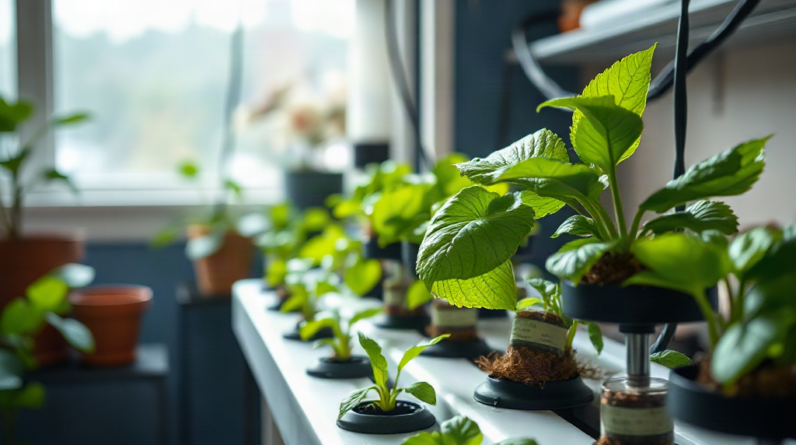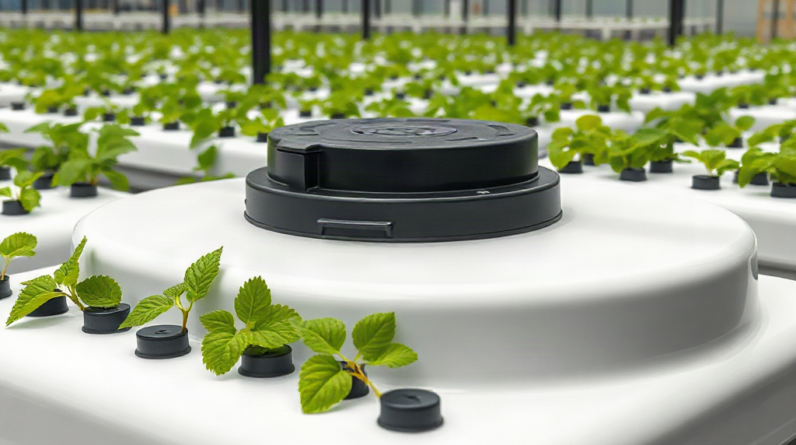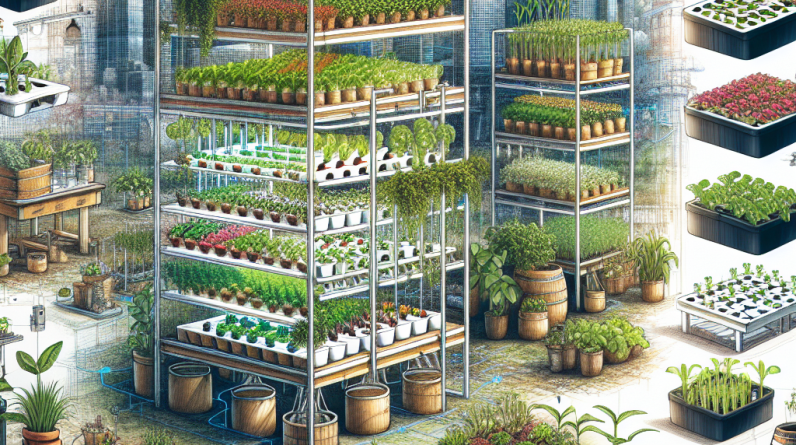

Practicing sustainable hydroponic gardening involves understanding various systems and techniques, such as nutrient film technique (NFT), deep water culture (DWC), and aeroponics. Each method has its unique advantages and challenges, which can significantly influence the success of your garden. For instance, while NFT is efficient in nutrient delivery, it requires careful monitoring of water flow and nutrient levels to prevent plant stress.
A common mistake new hydroponic gardeners make is underestimating the importance of light. Plants need adequate light for photosynthesis, and insufficient light can stunt growth or lead to poor yields. Additionally, understanding the specific needs of different plant species is crucial; some may thrive in lower light conditions, while others require more intense light exposure. Prioritizing light, alongside nutrient management and water quality, is vital for establishing a successful hydroponic garden.
Understanding Hydroponic Systems
Hydroponics encompasses several systems, each designed to deliver nutrients to plants in a soilless environment. The most popular systems include nutrient film technique (NFT), deep water culture (DWC), and aeroponics. NFT involves a thin film of nutrient-rich water flowing over the roots, while DWC suspends the roots in a nutrient solution. Aeroponics, on the other hand, delivers nutrients in mist form, promoting rapid growth.
Choosing the right system depends on your available space, budget, and the types of plants you wish to grow. For example, NFT is space-efficient and well-suited for leafy greens, while DWC can support larger fruiting plants like tomatoes. It’s essential to weigh the benefits and trade-offs of each system to align with your gardening goals.
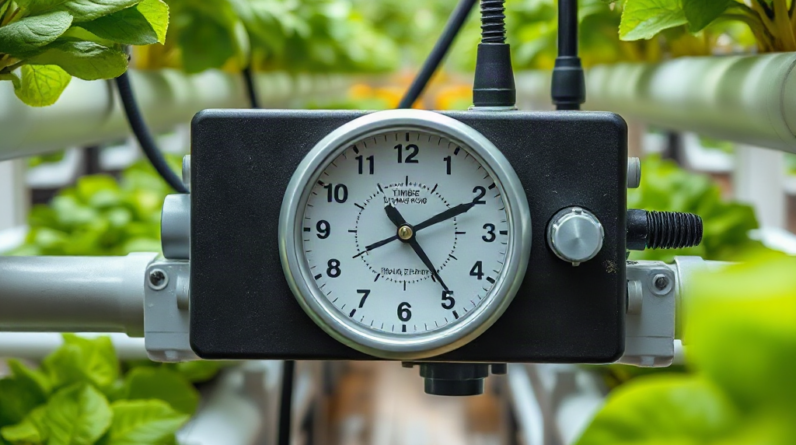
Additionally, many beginners overlook the importance of system maintenance. Regular checks for clogs, leaks, and nutrient levels are critical to prevent system failures. Establishing a routine can ensure your hydroponic setup remains operational and productive.
Selecting the Right Nutrients
Nutrient selection is crucial for healthy plant growth in hydroponic systems. Unlike traditional soil-based gardening, where plants can draw nutrients from the soil, hydroponic plants depend entirely on dissolved nutrients in the water. Essential nutrients include nitrogen, phosphorus, potassium, calcium, magnesium, and trace elements.
Many hydroponic gardeners opt for pre-mixed nutrient solutions that simplify the nutrient management process. However, understanding the specific needs of your plants can lead to better growth outcomes. For example, leafy greens typically require higher nitrogen levels, while fruiting plants benefit from increased potassium and phosphorus.
Be cautious of nutrient imbalances, which can lead to deficiencies or toxicities. Regular testing of your nutrient solution helps maintain optimal levels for plant health. This proactive approach is essential for maximizing yields and ensuring the longevity of your hydroponic system.
Water Quality and Management
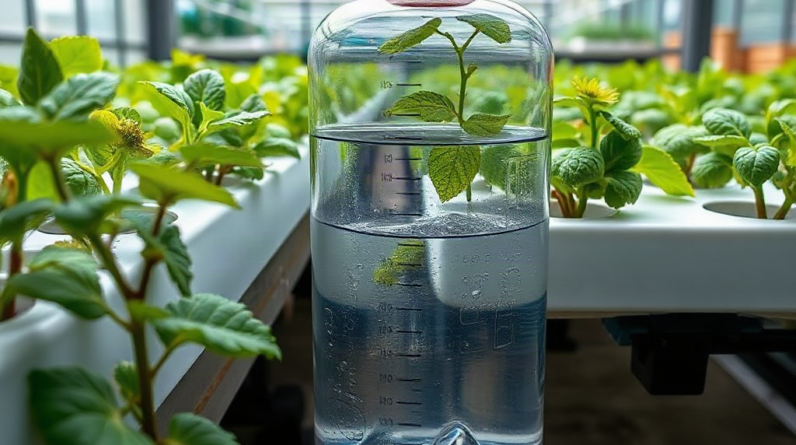
Water quality plays a vital role in sustainable hydroponic gardening. The water used must be free of contaminants and have the appropriate pH and electrical conductivity (EC) levels. Ideally, the pH should be between 5.5 and 6.5 for optimal nutrient uptake.
Regularly testing and adjusting your water quality is essential for preventing plant stress and ensuring nutrient availability. Using reverse osmosis (RO) systems can help purify water, making it suitable for hydroponic use. Additionally, monitoring the water temperature is important, as warmer temperatures can lead to decreased oxygen levels, affecting root health.
Another common oversight is neglecting to clean the water reservoir and lines. Algae and bacteria can develop if not properly maintained, leading to health issues for your plants. Establishing a cleaning schedule will help prevent these problems and support a thriving hydroponic garden.
Lighting Considerations for Hydroponics
Lighting is a significant factor in successful hydroponic gardening, as plants require adequate light for photosynthesis. The type of lighting system you choose—LEDs, fluorescents, or high-intensity discharge (HID) lights—can influence growth rates and energy consumption.
LED lights are becoming increasingly popular due to their energy efficiency and low heat output. They can be tailored to provide specific light spectrums that promote growth at different stages, from seedling to flowering. Conversely, HID lights, while effective, can generate significant heat and require additional cooling measures.
It’s essential to position your lights correctly and adjust their height as plants grow. Positioning lights too close can lead to leaf burn, while too far can result in leggy growth. Understanding the light requirements of the specific plants you are growing will help you optimize your lighting setup for maximum productivity.
Further Reading
For those looking to deepen their understanding of sustainable hydroponic gardening, consider exploring the following resources:
Authoritative Sources
- Hydroponics: A Beginner's Guide
hydroponics.comThis resource offers comprehensive information on hydroponic systems and techniques
- Gardening Know How: Hydroponic Gardening
gardeningknowhow.comA detailed guide on common practices, mistakes, and solutions in hydroponic gardening
- The Cooperative Extension System
extension.orgProvides research-based information on sustainable gardening practices
- NCBI: Hydroponics Research
ncbi.nlm.nih.govAccess scholarly articles and studies on hydroponic methods and their efficacy
Frequently Asked Questions
What are the benefits of sustainable hydroponic gardening?
Sustainable hydroponic gardening offers numerous benefits, including efficient water use, reduced land requirements, and the ability to grow fresh produce year-round regardless of climate conditions.
How often should I change the nutrient solution in hydroponics?
It’s advisable to change the nutrient solution every 1-2 weeks to maintain optimal nutrient levels and prevent imbalances that could harm plant growth.
Can I use tap water for hydroponics?
Tap water can be used, but it should be tested for contaminants and adjusted to the appropriate pH and nutrient levels before use in hydroponic systems.
What plants grow best in hydroponic systems?
Leafy greens, herbs, and small fruiting plants like strawberries and tomatoes are excellent choices for hydroponic systems due to their adaptability and relatively low nutrient requirements.
What common mistakes should I avoid in hydroponics?
Common mistakes include neglecting water quality, failing to monitor nutrient levels, and not providing adequate lighting, all of which can negatively impact plant health and yield.
Conclusion
In summary, sustainable hydroponic gardening presents a viable solution for producing fresh, healthy food in urban settings and areas with limited agricultural resources. By understanding the intricacies of hydroponic systems, selecting the right nutrients, managing water quality, and optimizing lighting, gardeners can create thriving environments for their plants. Prioritizing these elements will not only enhance growth and yield but also contribute to a more sustainable approach to food production. As you embark on your hydroponic journey, remember to stay informed and adaptable to the unique needs of your plants.