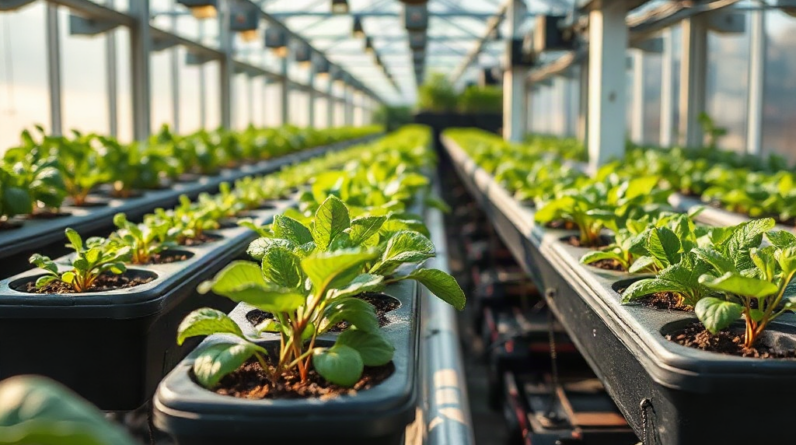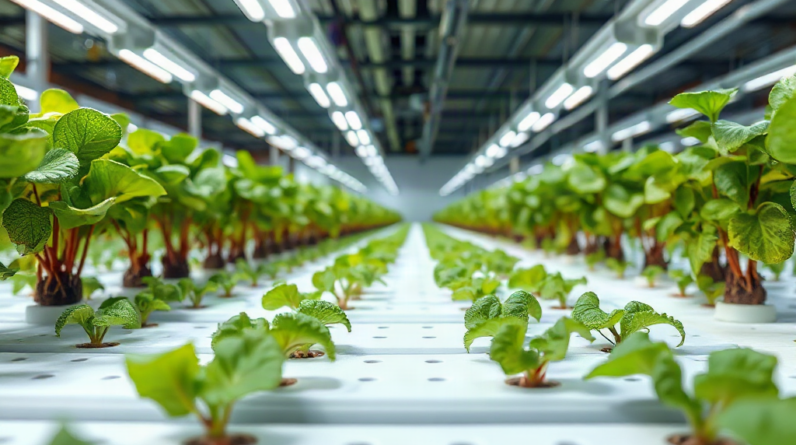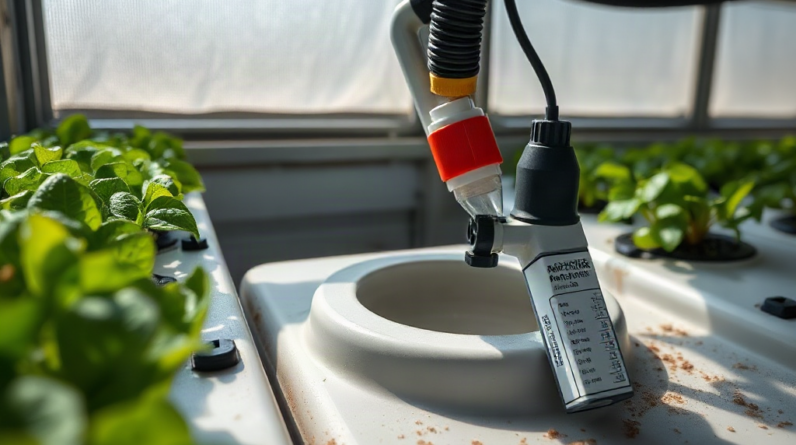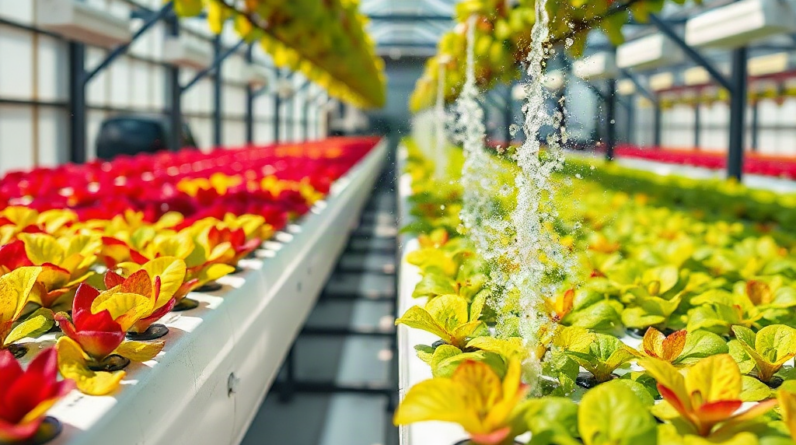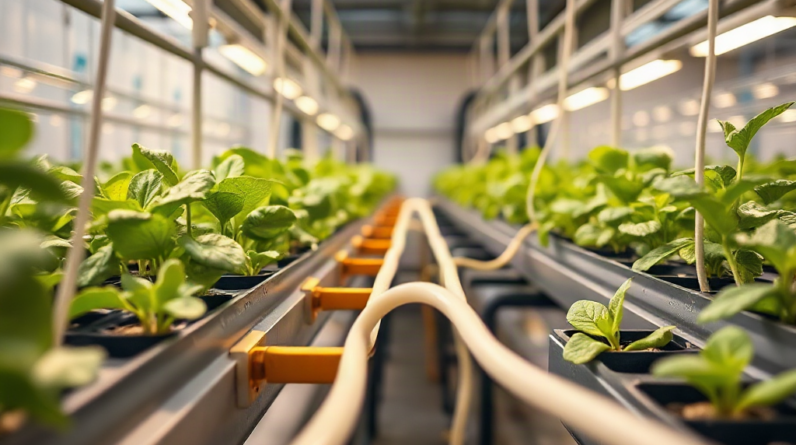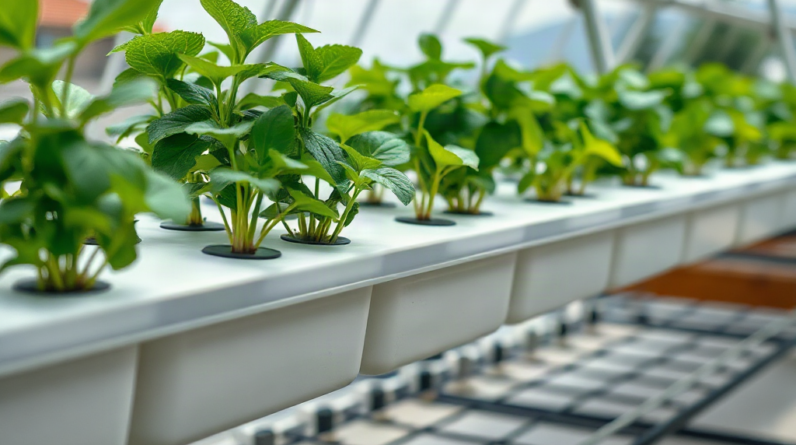
In this hydroponic system, each bucket is connected to a central reservoir and a nutrient delivery system. This setup not only conserves water but also reduces the risk of overwatering, a common problem in traditional soil gardening. Additionally, the Dutch bucket system allows for easier management of plant health and nutrition, enabling growers to fine-tune their feeding schedules based on the specific needs of each plant type.
However, successful implementation of Dutch bucket hydroponics requires careful consideration of several factors. For instance, the choice of growing medium can significantly impact plant health. Common options include coconut coir, perlite, and rock wool, each offering unique benefits and challenges. Additionally, growers must be mindful of nutrient solution concentrations and pH levels, as these can affect plant growth and yield. Neglecting these aspects can lead to nutrient deficiencies or toxicities, ultimately impacting crop quality.
Understanding the Dutch Bucket System
The Dutch bucket system is designed to optimize the growth of individual plants by providing a dedicated space for root development. Each bucket typically features a drainage hole to ensure excess water can escape, preventing root rot and other water-related issues. This setup allows for precise control over water and nutrient delivery, making it an ideal choice for commercial growers and backyard enthusiasts alike.
Moreover, the system is highly scalable, meaning it can be adjusted to accommodate different growing environments or crop types. For instance, growers can easily increase the number of buckets to expand their operation or modify the spacing between them based on plant needs. This flexibility is one of the key advantages of the Dutch bucket system, allowing for both small-scale and large-scale applications.
One common oversight is the neglect of proper drainage. If the buckets are not adequately drained, water can accumulate, leading to root diseases and poor plant health. Regular monitoring and maintenance of the drainage system are crucial to avoid these pitfalls.
Choosing the Right Growing Medium
The choice of growing medium is critical in Dutch bucket hydroponics, as it directly affects water retention, aeration, and nutrient availability. Popular options include coconut coir, perlite, and rock wool. Each medium has unique properties that can influence plant growth.
Coconut coir, for example, retains moisture well while providing adequate aeration, making it suitable for many hydroponic applications. Perlite, on the other hand, offers excellent drainage and aeration but may require more frequent watering. Rock wool is another option that provides good moisture retention but can be challenging to handle due to its fibrous nature.
It’s essential to experiment with different mediums to determine which one works best for specific crops and growing conditions. Understanding the physical properties of each medium can help growers make informed decisions that support plant health and yield.
Nutrient Management Strategies
Nutrient management is a crucial aspect of Dutch bucket hydroponics. The nutrient solution should be tailored to the specific needs of the plants being grown. Regular testing of the nutrient solution’s pH and electrical conductivity (EC) levels is vital to ensure that plants receive the appropriate nutrients.
Many growers use pre-mixed nutrient solutions designed for hydroponics, but customizing the mix based on plant stages can lead to better results. For instance, during the vegetative stage, plants may require higher nitrogen levels, while the flowering stage often demands increased phosphorous and potassium.
It’s also important to flush the system periodically with plain water to prevent nutrient buildup, which can lead to toxicity. This practice helps maintain a healthy growing environment and supports optimal plant health.
Common Mistakes and How to Avoid Them
While Dutch bucket hydroponics can be highly effective, there are several common mistakes that growers should avoid. One major issue is overwatering, which can lead to root rot and other diseases. Ensuring proper drainage and monitoring moisture levels can help mitigate this risk.
Another common mistake is failing to monitor nutrient levels. Inconsistent nutrient delivery can lead to deficiencies or toxicities, negatively impacting crop quality. Regular testing of the nutrient solution and adjusting as needed is essential for maintaining healthy plants.
Additionally, neglecting to clean the system regularly can result in algae growth and clogs, which can disrupt water flow and nutrient delivery. A proactive maintenance schedule can help prevent these issues and ensure the system operates efficiently.
Further Reading
Authoritative Sources
- Hydroponics World
hydroponicsworld.comThis site offers a comprehensive overview of various hydroponic systems, including Dutch bucket hydroponics
- Gardener's Supply Company
gardeners.comA trusted resource for hydroponic supplies and educational materials on growing techniques
- Maximum Yield Magazine
maximumyield.comThis publication provides in-depth articles and tips on hydroponics and related topics
Frequently Asked Questions
What plants grow best in Dutch bucket hydroponics?
Larger fruiting plants like tomatoes, cucumbers, and peppers thrive in Dutch bucket hydroponics due to their efficient nutrient and water delivery.
How often should I change the nutrient solution?
It’s recommended to change the nutrient solution every 1-2 weeks to prevent nutrient imbalances and ensure optimal plant health.
Can I use soil in Dutch bucket hydroponics?
No, Dutch bucket hydroponics requires a soilless growing medium to facilitate proper drainage and nutrient delivery.
What is the ideal pH level for the nutrient solution?
The ideal pH for most hydroponic plants is between 5.5 and 6.5 to ensure optimal nutrient uptake.
How do I prevent algae growth in my system?
Regularly clean the system and ensure that nutrient solutions are opaque to limit light exposure, which encourages algae growth.
Conclusion
In conclusion, Dutch bucket hydroponics offers a highly effective method for growing plants, particularly larger fruiting varieties. By understanding the system’s mechanics, selecting the right growing medium, and managing nutrients effectively, growers can maximize yield and quality. Avoiding common mistakes such as overwatering and neglecting nutrient monitoring is essential for success. As you implement this system, prioritize regular maintenance and adjustments to create a thriving hydroponic environment.