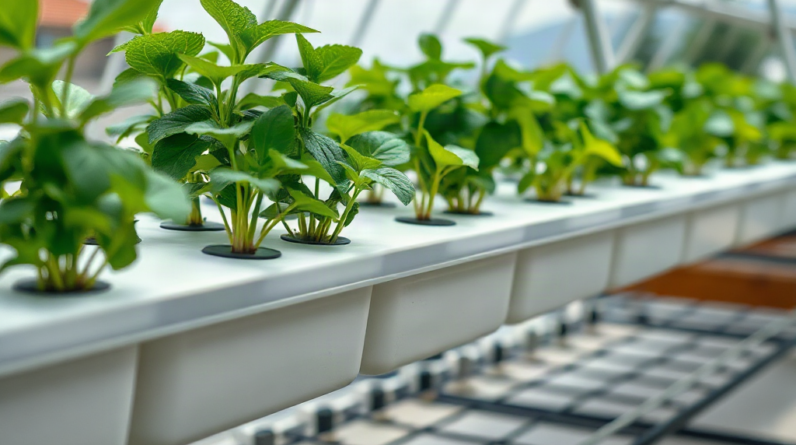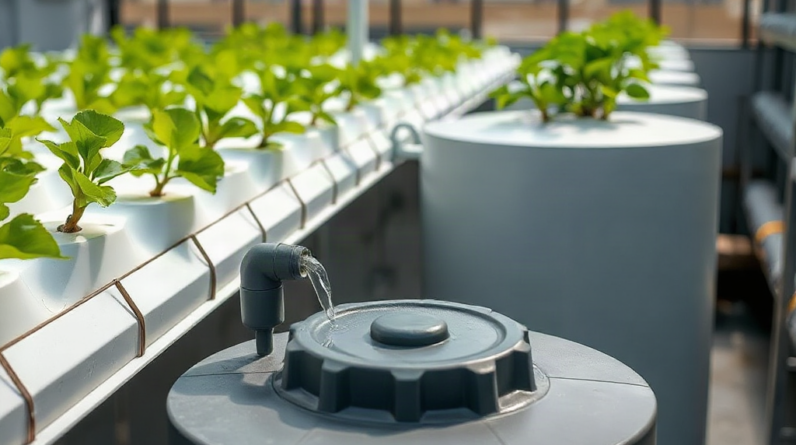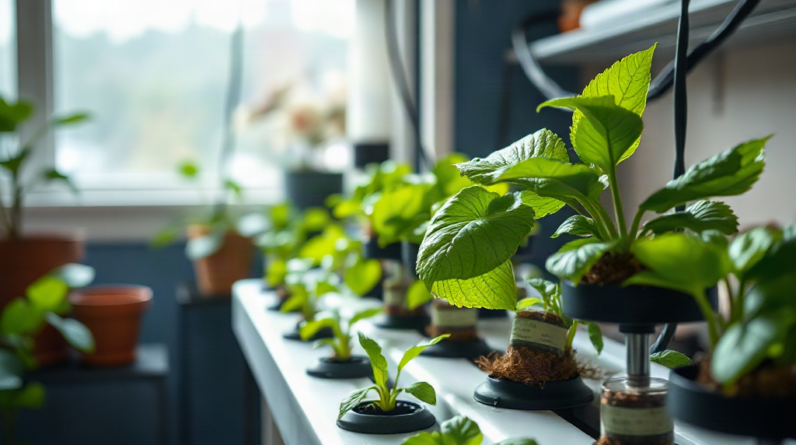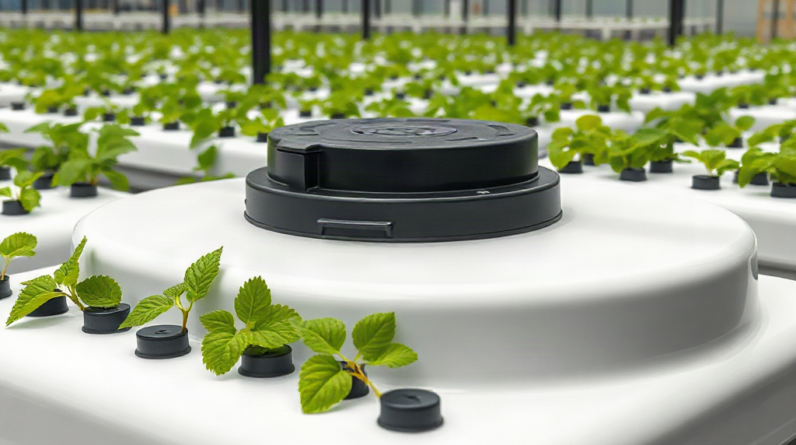
Implementing a hydroponic system involves understanding the types of irrigation techniques available, such as deep water culture, nutrient film technique, and aeroponics. Each method has unique benefits and challenges, and selecting the right one depends on the crop type, available space, and desired yield. For instance, deep water culture is ideal for fast-growing leafy greens, while aeroponics is more suitable for crops that require precise nutrient delivery.
One common mistake in hydroponic systems is neglecting the importance of pH and nutrient balance. Maintaining the correct pH level is crucial, as it affects nutrient availability to plants. A pH that is too high or too low can lead to nutrient deficiencies or toxicities, ultimately hindering growth. Regular monitoring and adjustment of nutrient solutions are essential for achieving desired results.
Types of Hydroponic Irrigation Systems
There are several types of hydroponic irrigation systems, each designed to cater to different plant needs and grower preferences. The most common systems include:
- Deep Water Culture (DWC): In this system, plant roots are submerged in oxygen-rich nutrient solutions, allowing for rapid growth.
- Nutrient Film Technique (NFT): A thin film of nutrient solution flows over the roots, providing them with nutrients while allowing excess water to drain away.
- Aeroponics: This method involves misting plant roots with nutrient-rich water, which maximizes oxygen exposure and nutrient uptake.
- Wick System: Utilizing a wick to draw nutrient solution from a reservoir to the plant roots, this passive system is simple and requires no pumps.
Choosing the right system depends on factors such as the type of crops being grown, available space, and the grower’s level of experience. For instance, DWC is favored for its simplicity and efficiency, while aeroponics can yield higher growth rates but may require more technical knowledge.
When selecting a hydroponic system, consider the initial investment, maintenance requirements, and scalability options. A well-chosen system can lead to increased productivity and long-term success in hydroponic farming.
Benefits of Hydroponic Irrigation
Hydroponic irrigation systems offer numerous advantages over traditional farming methods. One of the primary benefits is the efficient use of water. Hydroponic systems use up to 90% less water than soil-based agriculture, making them particularly valuable in arid regions or during droughts.
Additionally, hydroponics allows for year-round cultivation, enabling growers to produce crops regardless of seasonal weather conditions. This increased control over the growing environment leads to faster growth rates and higher yields. For example, leafy greens can be harvested in as little as three weeks using hydroponic methods.
Moreover, hydroponic systems minimize the risk of pests and diseases commonly associated with soil, reducing the need for chemical pesticides. However, it’s important to note that growers must still monitor for pests and diseases, as they can still occur in a hydroponic environment.
Common Mistakes to Avoid
While hydroponics offers many benefits, there are pitfalls that can hinder success. One major mistake is failing to regularly monitor and adjust pH levels in the nutrient solution. An imbalance can lead to nutrient lockout, preventing plants from absorbing essential minerals.
Another common error is over-fertilizing. It’s crucial to follow recommended nutrient guidelines for specific crops and to adjust concentrations based on growth stages. Over-fertilization can result in nutrient burn, stunted growth, and other issues.
Growers should also be cautious about environmental factors such as temperature and humidity, which can impact plant health. Ensuring proper ventilation and temperature control is vital for preventing mold and mildew, which thrive in overly humid conditions.
Best Practices for Hydroponic Systems
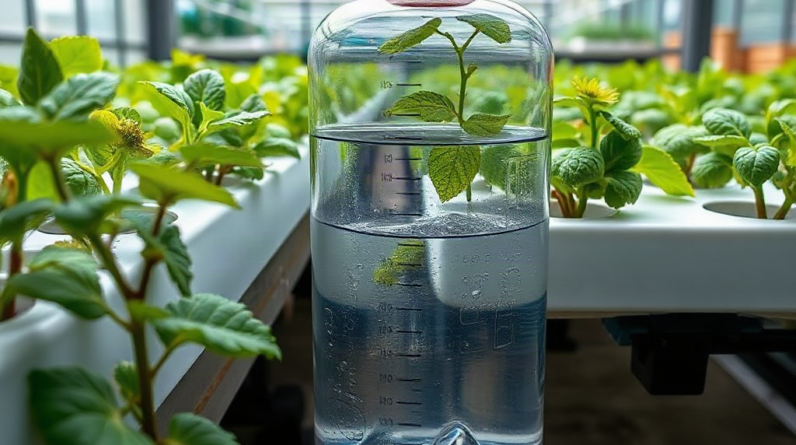
To maximize the effectiveness of a hydroponic irrigation system, several best practices should be followed. Regularly check and adjust nutrient solutions to maintain optimal pH and nutrient levels. Consider using a reliable pH meter and nutrient testing kit to ensure precision.
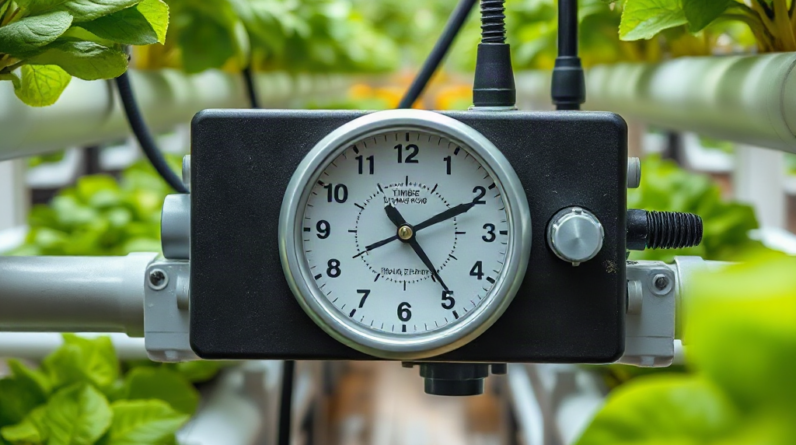
Implement a monitoring system to track environmental conditions such as light, temperature, and humidity. Automated systems can help maintain consistent conditions, reducing the manual workload for growers.
Additionally, practice crop rotation and diversity to prevent nutrient depletion and promote healthy plant growth. Incorporating a variety of crops can enhance the resilience of the system and reduce the risk of disease outbreaks.
Further Reading
Authoritative Sources
- MedlinePlus
medlineplus.govConsumer-friendly medical and health information from the U.S. National Library of Medicine.
- National Institutes of Health
nih.govResearch-based health information and links to authoritative medical resources.
- Centers for Disease Control and Prevention
cdc.govOfficial public health guidance, prevention resources, and topic-specific recommendations.
- Mayo Clinic
mayoclinic.orgTrusted clinical guidance, symptom explainers, and treatment overviews.
- World Health Organization
who.intGlobal health guidance, fact sheets, and evidence-based public health information.
Frequently Asked Questions
What is a hydroponic irrigation system?
A hydroponic irrigation system is a method of growing plants without soil by delivering nutrients directly to plant roots through a water-based solution.
How does hydroponic irrigation save water?
Hydroponic systems use significantly less water than traditional farming methods, as water is recirculated and reused, minimizing waste.
What are the main types of hydroponic systems?
The main types include Deep Water Culture, Nutrient Film Technique, Aeroponics, and Wick Systems, each with its own advantages and applications.
Can hydroponic systems be used for all types of plants?
While many plants can be grown hydroponically, leafy greens and herbs typically thrive best due to their shorter growth cycles and lower nutrient demands.
What common mistakes should I avoid in hydroponics?
Common mistakes include neglecting pH balance, over-fertilizing, and failing to monitor environmental conditions, all of which can adversely affect plant health.
Conclusion
In conclusion, a hydroponic irrigation system presents a unique opportunity for growers to maximize crop yield while conserving resources. By understanding the various types of systems available, the benefits of hydroponics, and common pitfalls to avoid, growers can effectively implement hydroponic methods for sustainable agriculture. Prioritizing regular monitoring of nutrient solutions and environmental conditions will set the foundation for a successful hydroponic venture. With careful planning and execution, hydroponics can lead to increased productivity and resilience in food production.
Related Content
- How to Manage Root Health for Crop Productivity: Checks, Causes, and Recovery Steps
- Understanding Hydroponic Water Circulation
- Hydroponic Gardening for Small Spaces
- Revolutionize Your Plant Growth with Dutch Bucket Hydroponics: A Sustainable Approach for Every Gardener
- Hydroponic Gardening: Perfect for Small Spaces