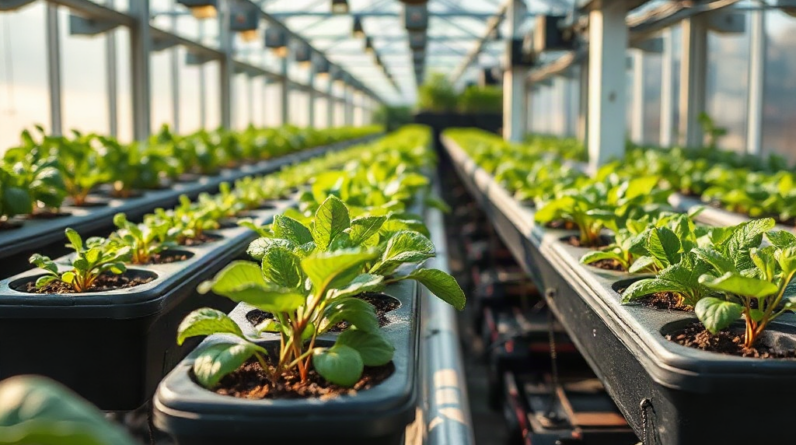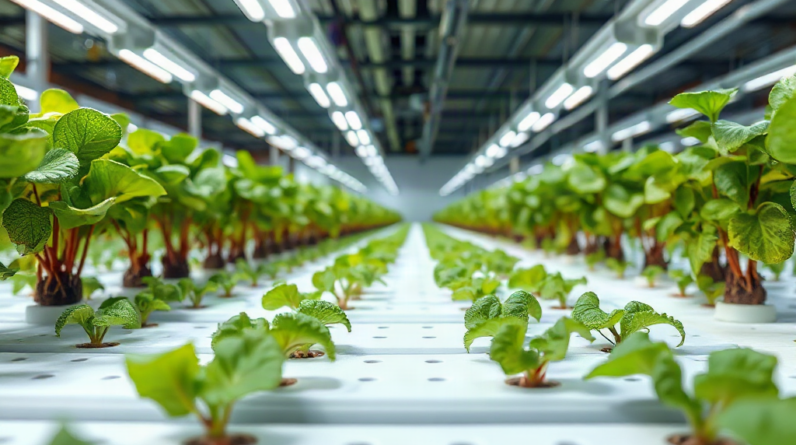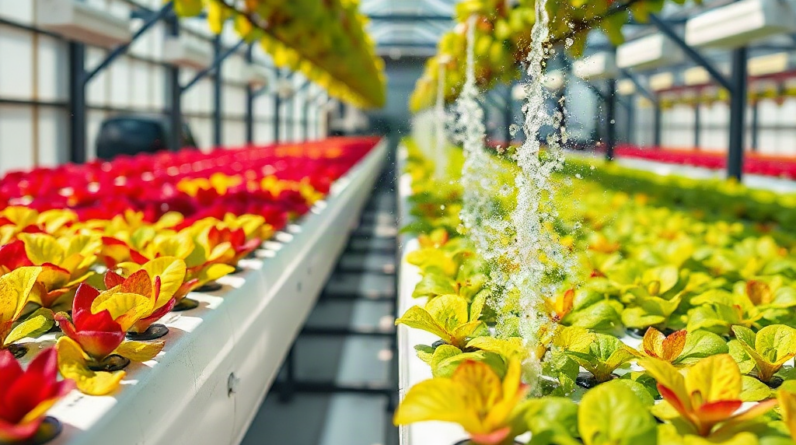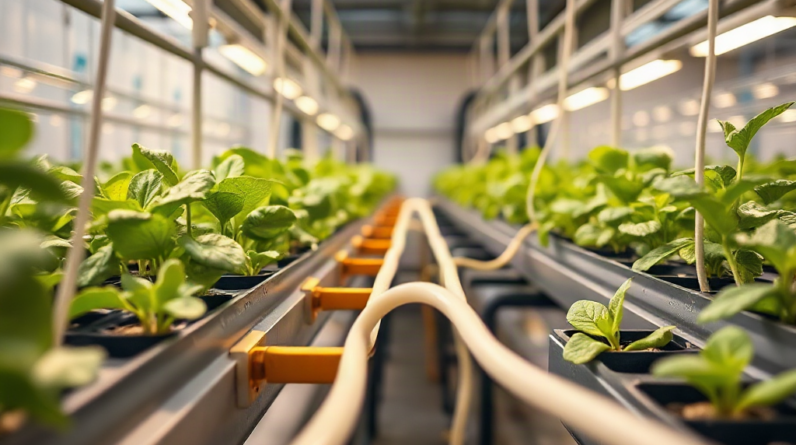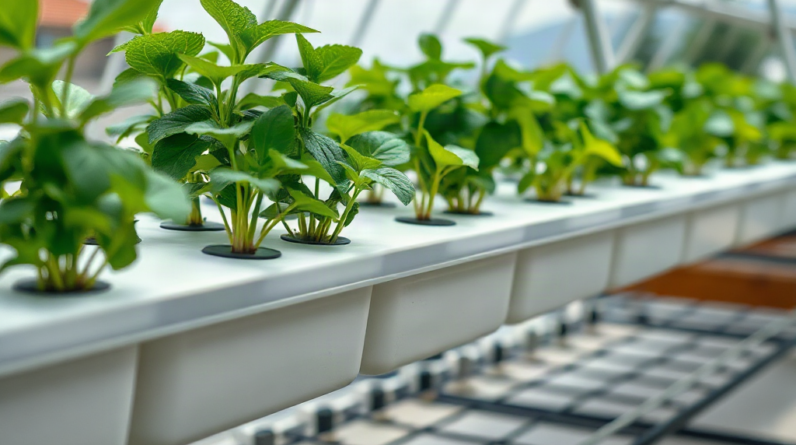
Hydroponic growing media are crucial components in soil-less gardening, providing essential support for plant roots while facilitating nutrient uptake and moisture retention. The selection of the right media can significantly impact the growth rate, health, and yield of your plants. Various types of growing media are available, each with unique properties that affect aeration, water retention, and nutrient delivery.
Understanding the characteristics of different hydroponic growing media can help you make informed decisions that lead to successful gardening outcomes. Common options include coconut coir, perlite, rock wool, and clay pellets, each offering distinct advantages and potential drawbacks. For instance, coconut coir excels in water retention, while perlite promotes excellent drainage. Choosing the right medium requires considering the specific requirements of your plants and the hydroponic system in use.
Types of Hydroponic Growing Media
There are several types of hydroponic growing media, each with specific benefits that cater to different plant types and growing conditions. Popular options include:
- Coconut Coir: This organic material is made from the husk of coconuts and is known for its excellent water retention and aeration properties.
- Perlite: A lightweight volcanic glass that improves drainage and aeration, making it ideal for hydroponic systems that require fast drainage.
- Rock Wool: Made from spun basalt, rock wool is highly absorbent and provides excellent support, but it can be challenging to manage pH levels.
- Clay Pellets: These are natural, lightweight, and reusable, providing good drainage and aeration while supporting plant roots.
Choosing the right type of growing media is critical for achieving optimal growth and yield, as each medium interacts differently with water and nutrients.
Factors to Consider When Choosing Media
When selecting hydroponic growing media, several factors should guide your decision. One of the most significant considerations is the specific needs of the plants you intend to grow. For example, some plants thrive in media that retains moisture, while others require excellent drainage. Additionally, consider the following:
- pH Levels: Different media have varying pH levels that can affect nutrient absorption. Testing and adjusting pH is crucial for plant health.
- Nutrient Retention: Some media retain nutrients better than others, impacting how often you need to fertilize your plants.
- Cost and Availability: Some growing media can be more expensive or harder to source, which can affect your overall gardening budget.
Understanding these factors will help you make a more informed choice that aligns with your gardening goals.
Common Mistakes in Media Selection
Many hydroponic gardeners make mistakes when selecting their growing media, which can lead to poor plant performance. A common error is choosing media without considering the specific requirements of their plants. Another mistake is overlooking the importance of drainage and aeration. For instance, using a medium that retains too much water can lead to root rot, while one that drains too quickly may not provide sufficient moisture.
Additionally, failing to test the pH and nutrient levels of the media can hinder plant growth. Always conduct tests before planting to ensure the media supports healthy plant development.
Best Practices for Using Hydroponic Media
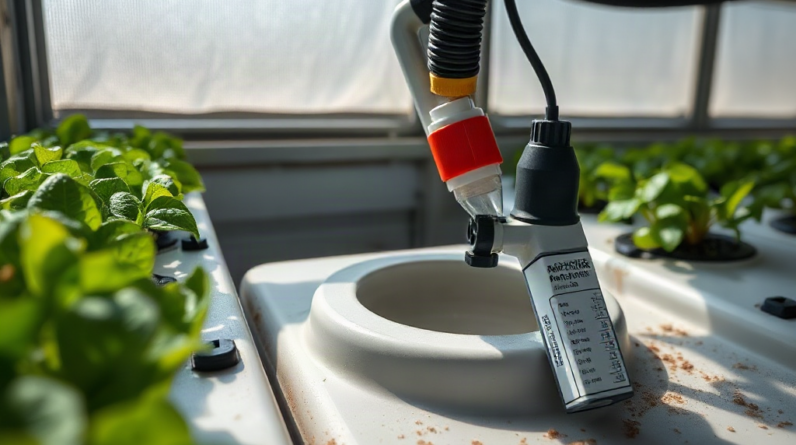
To maximize the effectiveness of your chosen hydroponic growing media, consider these best practices. First, ensure the media is properly prepped before use. For example, rinsing perlite to remove dust can improve aeration. Second, monitor moisture levels regularly; using a moisture meter can help maintain the right balance for your plants.
Furthermore, it’s essential to maintain a consistent feeding schedule, as different media types can affect nutrient uptake. Finally, consider rotating your media or incorporating multiple types to optimize plant health and yield.
Further Reading
Authoritative Sources
- Hydroponics.com
hydroponics.comA comprehensive resource for hydroponic systems and media, offering insights into best practices and product reviews
- Gardening Know How
gardeningknowhow.comThis site provides expert advice on choosing the right growing media and tips for successful hydroponic gardening
Conclusion
Choosing the right hydroponic growing media is fundamental to the success of your hydroponic garden. Prioritize understanding the needs of your plants, the characteristics of various media, and the environmental factors that influence growth. Regular monitoring and adjustments will ensure that your plants thrive in their soil-less environment. By following best practices and avoiding common pitfalls, you can create an optimal growing condition that enhances plant health and productivity.