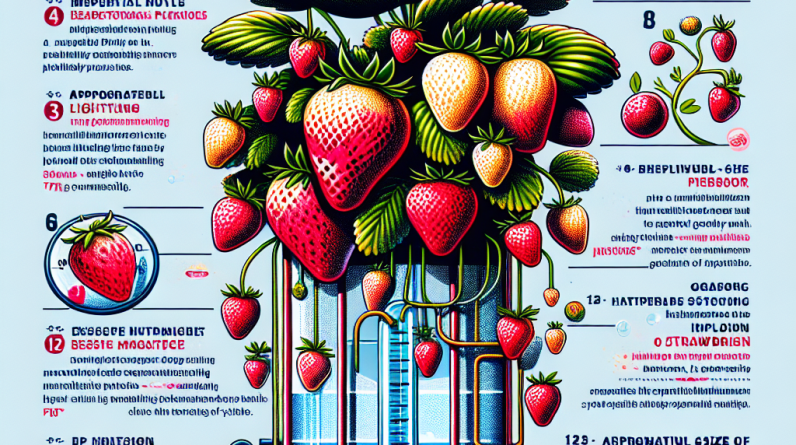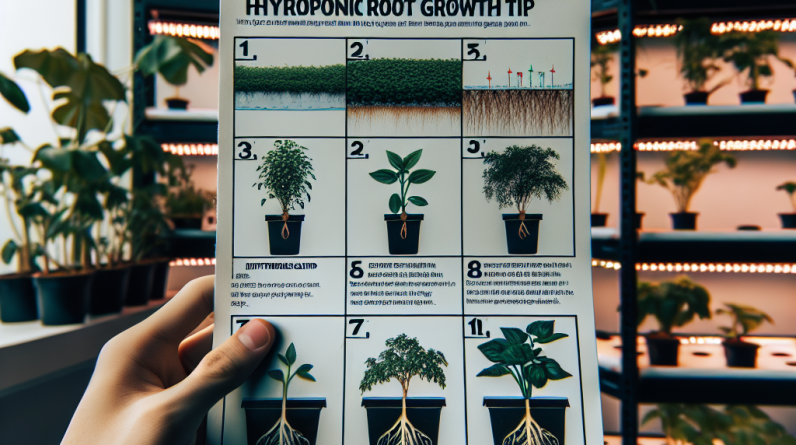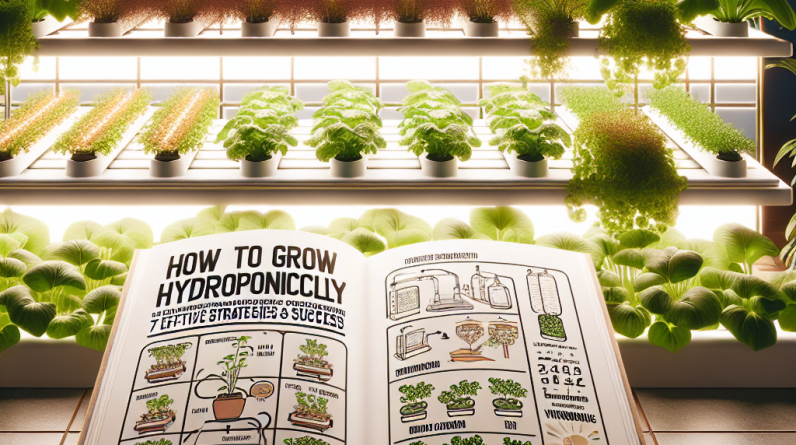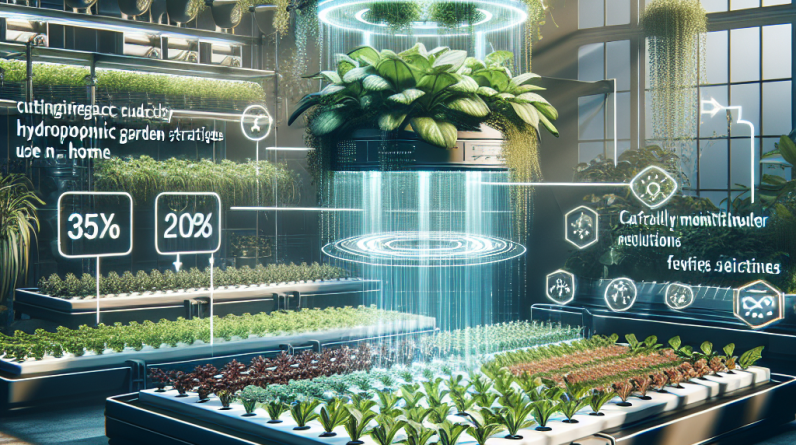
To establish a thriving hydroponic garden, selecting the right plants is crucial. Leafy greens like lettuce and herbs such as basil are excellent choices for beginners due to their fast growth rates and relatively low maintenance. Additionally, ensuring adequate light and nutrient levels is vital for plant health. A common mistake is underestimating the lighting requirements; grow lights can help provide the necessary spectrum for photosynthesis.
Choosing the Right System
When starting a simple hydroponic garden, the first step is selecting the right hydroponic system. There are various types, including deep water culture, nutrient film technique, and aeroponics. Each system has its advantages and disadvantages, depending on your available space and the plants you wish to grow. For beginners, deep water culture is often recommended due to its straightforward setup and low cost.
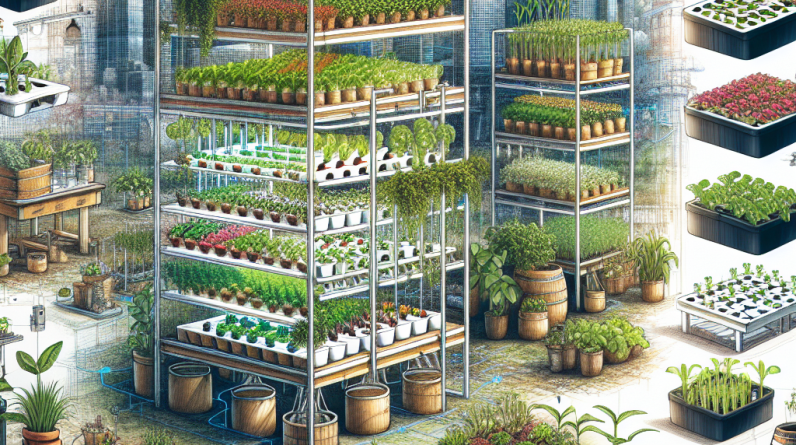
It’s essential to consider the space you have available. If you have limited room, a vertical hydroponic system can maximize yield in a smaller footprint. Additionally, think about the ease of access for maintenance and harvesting, as these factors will influence your long-term success.
Essential Nutrients for Hydroponics
In a hydroponic system, plants rely entirely on the water for nutrients, making it crucial to provide a balanced nutrient solution. Essential nutrients include nitrogen, phosphorus, potassium, calcium, magnesium, and iron, among others. These nutrients support various plant functions, from root development to fruit production.
When preparing nutrient solutions, it’s important to follow the manufacturer’s instructions carefully. Over-fertilization can lead to nutrient burn and ultimately harm plant growth. Regularly testing the pH and electrical conductivity of the water can help you maintain optimal nutrient levels for your plants.
Light Requirements and Setup
Light plays a critical role in the success of a hydroponic garden. Most plants require at least 12-16 hours of light per day for optimal growth. Depending on the type of plants you’re growing, you may need to invest in grow lights to supplement natural sunlight, especially in indoor settings.
LED grow lights are a popular choice due to their energy efficiency and adjustable light spectrum. Positioning the lights at the correct distance from the plants is also essential, as too much heat can damage delicate foliage. Monitoring plant responses to light will help you adjust as necessary for the best growth outcomes.
Common Mistakes to Avoid
Starting a simple hydroponic garden can be exciting, but there are common pitfalls that new gardeners should avoid. One major mistake is neglecting to monitor water levels and nutrient concentrations, which can lead to poor plant health. Additionally, failing to clean and maintain the system regularly can result in algae growth and other issues.
Another frequent error is overcrowding plants, which can stunt growth and lead to competition for light and nutrients. It’s better to start with fewer plants and gradually expand as you gain experience with the hydroponic system.
Frequently Asked Questions
What is a hydroponic garden?
A hydroponic garden is a method of growing plants without soil, using nutrient-rich water instead.
What plants are best for beginners?
Leafy greens like lettuce and herbs such as basil are ideal for beginners due to their fast growth and low maintenance.
How often should I change the water in my hydroponic system?
It’s recommended to change the water every 1-2 weeks to maintain nutrient levels and prevent algae growth.
Do I need special lights for a hydroponic garden?
Yes, many plants require supplemental light, especially in indoor settings, to ensure proper growth.
What are common mistakes in hydroponic gardening?
Common mistakes include neglecting nutrient levels, overcrowding plants, and failing to maintain the system properly.
Conclusion
Establishing a simple hydroponic garden involves understanding essential components like system selection, nutrient management, and lighting. Prioritize monitoring your plants’ health and adapting your approach as needed. By avoiding common mistakes and staying informed, you can create a successful and rewarding hydroponic gardening experience.