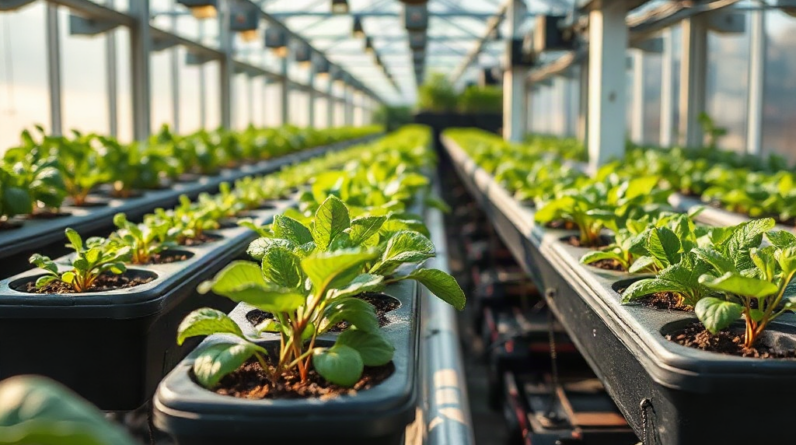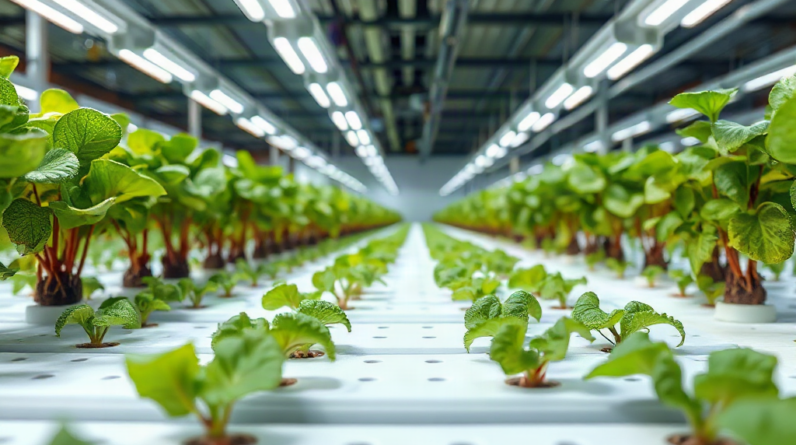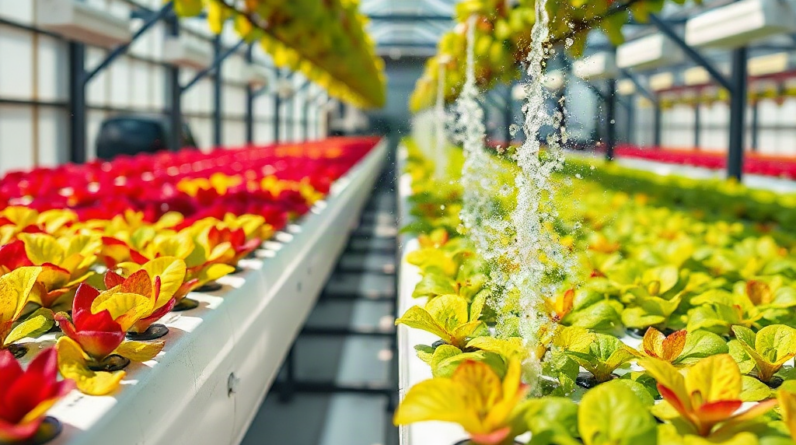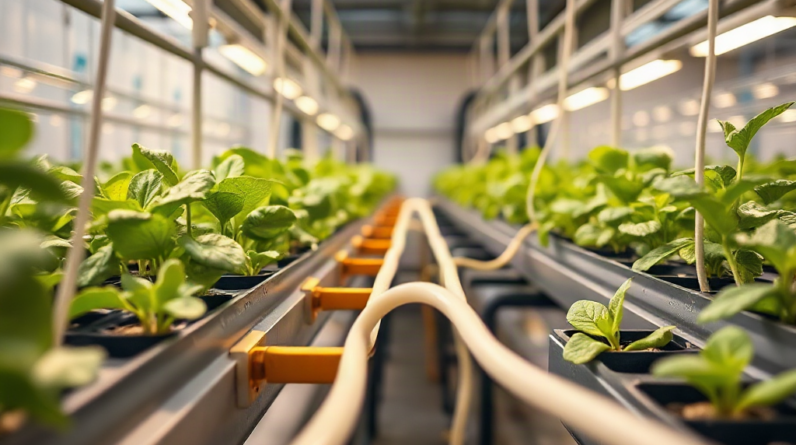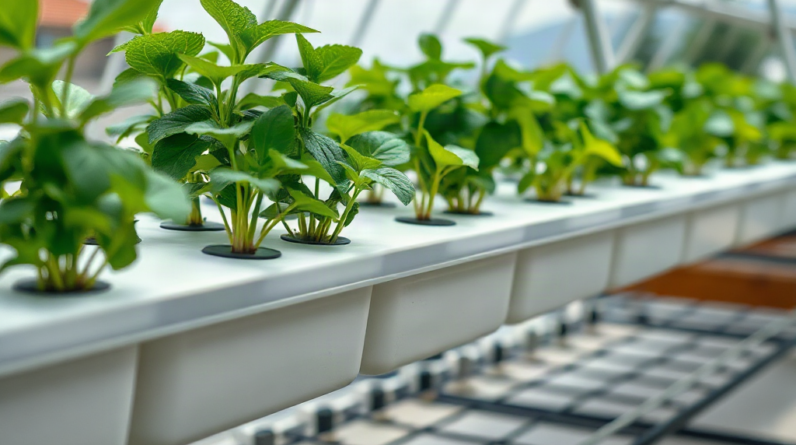
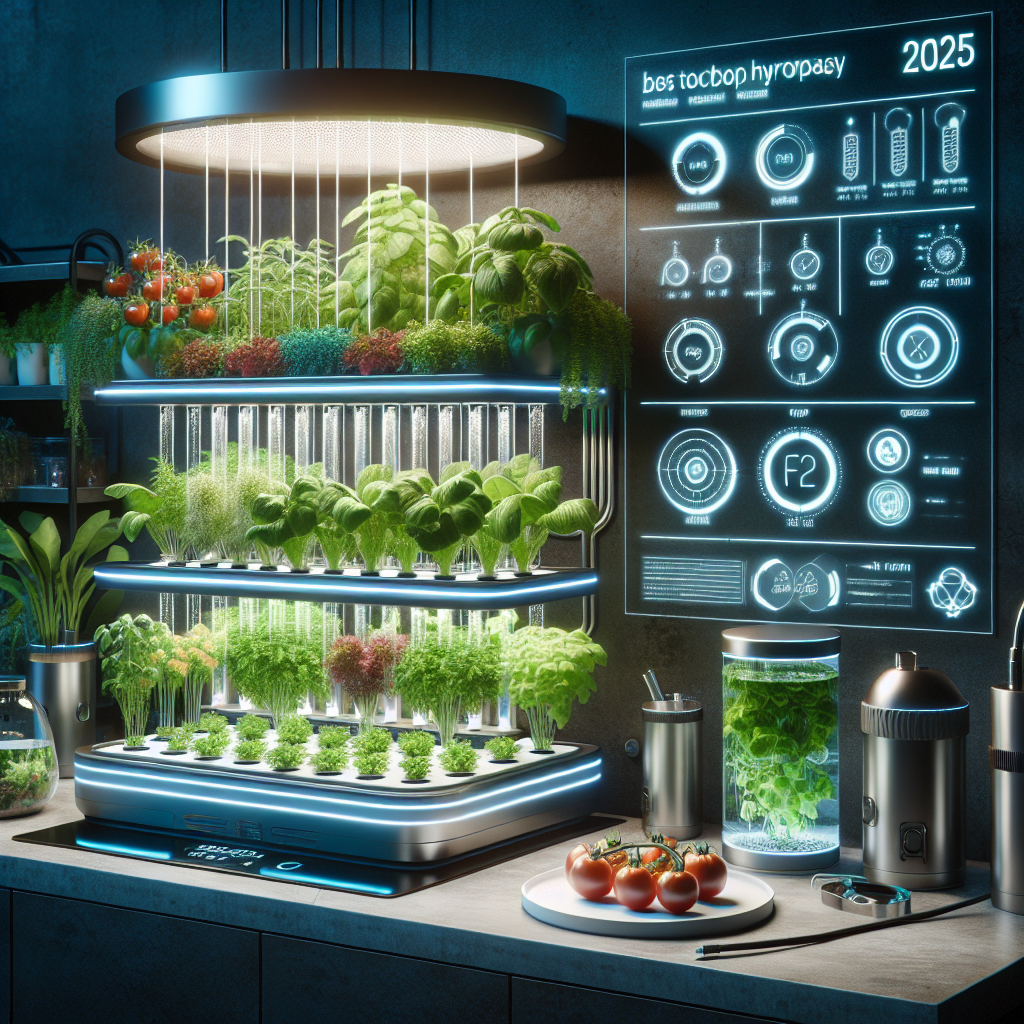
Creating a hydroponic system for small spaces involves choosing the right setup that maximizes your area while ensuring healthy plant growth. Vertical systems or container gardens are excellent choices, as they utilize vertical space and can fit into corners or on shelves. Gather essential materials such as a reservoir for water, a suitable growing medium, and a nutrient solution to support your plants.
Lighting is another critical factor to consider. In small spaces, natural light may be limited, so investing in grow lights can ensure your plants receive the necessary energy for photosynthesis. Additionally, regularly monitor water levels and nutrient concentrations to avoid deficiencies that can stunt growth. Implementing a system of timers can help automate light schedules and water cycles, making maintenance easier.
Choosing the Right Hydroponic System
Selecting the appropriate hydroponic system is vital for optimizing space. Options include deep water culture, nutrient film technique, and aeroponics. Each system has its own advantages and constraints, but for small spaces, vertical systems are often the most effective. They allow you to grow a variety of plants in a smaller footprint, utilizing vertical space efficiently.
It’s essential to evaluate the growth requirements of the plants you wish to cultivate. For instance, leafy greens such as lettuce and herbs thrive in hydroponic systems and are well-suited for small setups. Understanding the specific needs of your plants will guide your choice of system and layout.
Essential Materials and Setup
To set up your hydroponic system, you’ll need a few key materials. Start with a reservoir to hold the nutrient solution, which can be any container that fits your space. Choose a growing medium, such as clay pellets or rock wool, to support your plants. Additionally, you will need an air pump and air stones to oxygenate the nutrient solution, ensuring your plants receive adequate oxygen for growth.
When arranging your setup, consider using shelving units or wall-mounted planters to maximize vertical space. Ensure that the system is easily accessible for maintenance tasks like monitoring water levels and harvesting plants.
Lighting Solutions for Small Spaces
Proper lighting is crucial for plant health in a hydroponic system, especially in small spaces where natural light may be insufficient. LED grow lights are an excellent choice due to their energy efficiency and low heat output. Position the lights to ensure even coverage over your plants, adjusting the height as they grow to prevent burning.
Establish a light schedule that mimics natural daylight cycles, typically 12 to 16 hours of light per day for most hydroponic plants. Utilizing timers can simplify this process, allowing you to focus on other aspects of your garden.
Nutrient Management and Monitoring
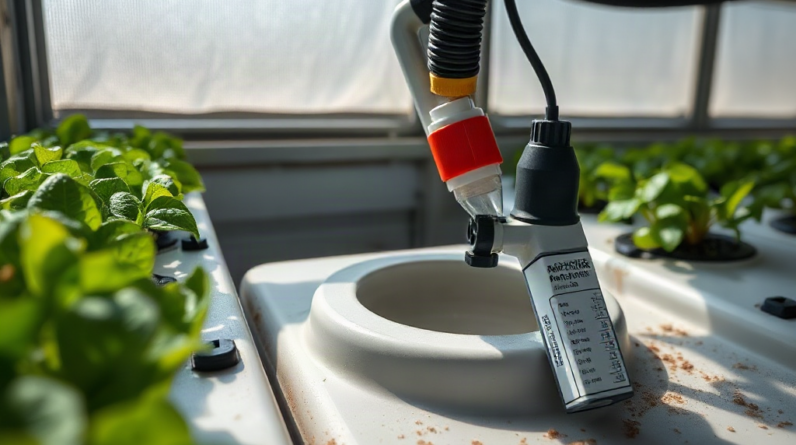
Maintaining the right nutrient balance is essential for plant health in hydroponics. Use a quality nutrient solution designed for hydroponic systems, and follow the manufacturer’s guidelines for mixing concentrations. Regularly check the pH and electrical conductivity (EC) levels of your nutrient solution to ensure optimal conditions for plant growth.
Consider keeping a log of your nutrient management practices, including any adjustments made based on plant growth observations. This can help you identify patterns and improve your setup over time.
Further Reading
Authoritative Sources
- USDA National Institute of Food and Agriculture
nifa.usda.govResearch and extension resources related to agriculture, plants, soil, and food systems
- Extension Foundation Gardening Resources
extension.orgUniversity extension education resources for practical gardening and home agriculture topics
- USDA Natural Resources Conservation Service
nrcs.usda.govSoil, water, conservation, and land management resources for practical growing decisions
Frequently Asked Questions
What is the best hydroponic system for small spaces?
Vertical hydroponic systems are often the best choice for small spaces, as they maximize vertical area and allow for efficient plant growth.
How much light do hydroponic plants need?
Most hydroponic plants require 12 to 16 hours of light per day, which can be provided using LED grow lights.
Can I use regular soil in hydroponics?
No, traditional soil is not suitable for hydroponics. Instead, use inert growing mediums like clay pellets or rock wool.
How often should I change the nutrient solution?
It’s recommended to change the nutrient solution every two to three weeks to prevent nutrient imbalances.
What types of plants grow best in hydroponics?
Leafy greens, herbs, and certain fruiting plants like strawberries and tomatoes thrive in hydroponic systems.
Conclusion
Creating a hydroponic system for small spaces is an excellent way to grow fresh produce in limited areas. By selecting the right system, ensuring proper lighting, and managing nutrients effectively, you can cultivate a thriving hydroponic garden. Focus on optimizing your setup to fit your specific space, and monitor the conditions regularly to ensure your plants receive the care they need for successful growth.