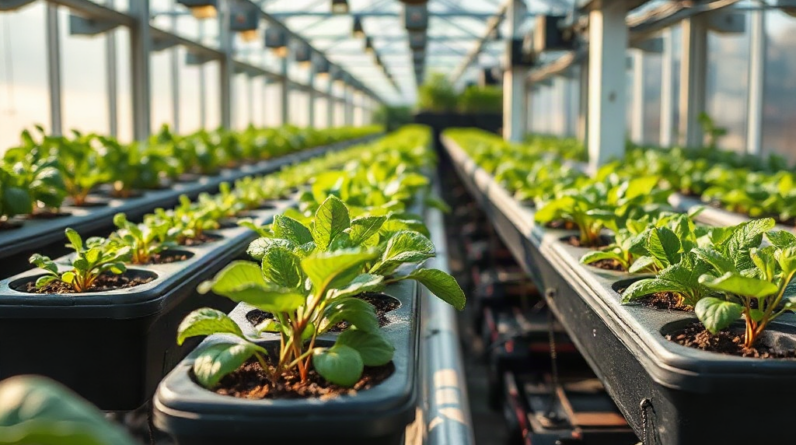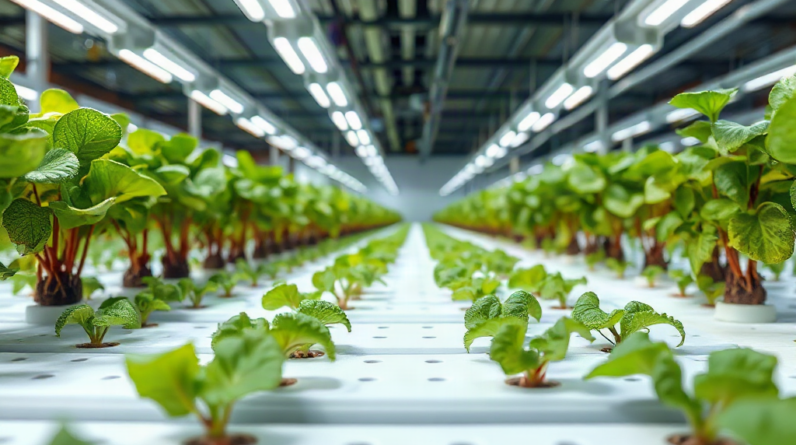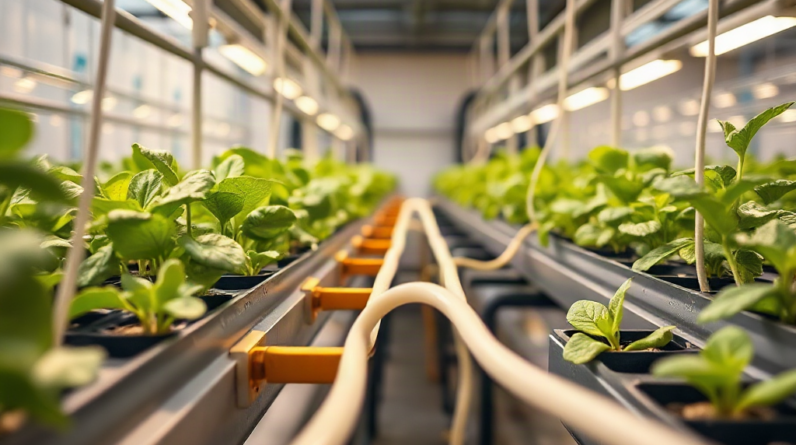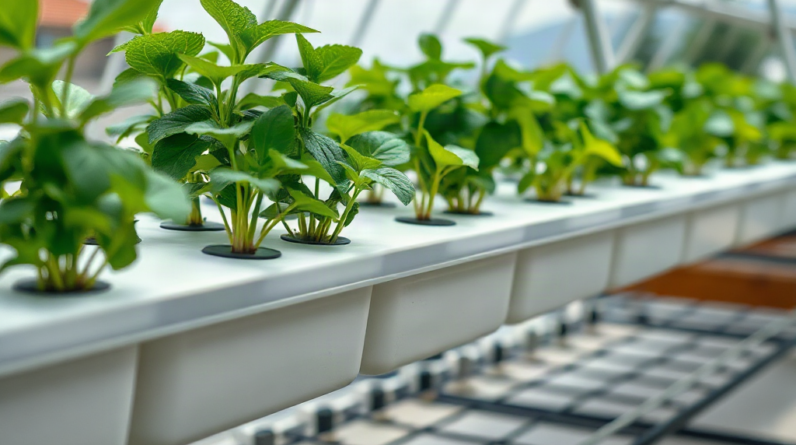
Effective hydroponic water management is critical for the health and productivity of plants grown in soilless systems. This involves maintaining optimal nutrient concentrations, pH levels, and water temperatures to create an ideal environment for root development and nutrient uptake. Regular monitoring and adjustments are essential to prevent issues such as nutrient deficiencies, root diseases, and water quality degradation.
One common mistake in hydroponic systems is neglecting the water’s pH levels. This can lead to nutrient lockout, where plants cannot absorb essential nutrients despite their presence in the solution. Ideally, the pH should be maintained between 5.5 and 6.5 for most hydroponic crops. Additionally, water temperature should be kept between 65°F and 75°F to promote healthy root growth and prevent the proliferation of pathogens.
Understanding Nutrient Solutions
Nutrient solutions are the lifeblood of hydroponic systems. These solutions must contain a balanced mix of macro and micronutrients to support plant growth. Regular testing of the nutrient solution’s Electrical Conductivity (EC) is vital, as it indicates the concentration of nutrients available to the plants. A suitable EC range varies by plant type, but generally, it should be between 1.5 and 2.5 mS/cm during the vegetative stage.
One pitfall to avoid is over-fertilization, which can lead to nutrient burn and affect plant health negatively. To ensure optimal nutrient uptake, growers should regularly replace their nutrient solution and flush the system to remove any buildup of salts or other residues that could harm plant roots.
Maintaining pH and EC Levels
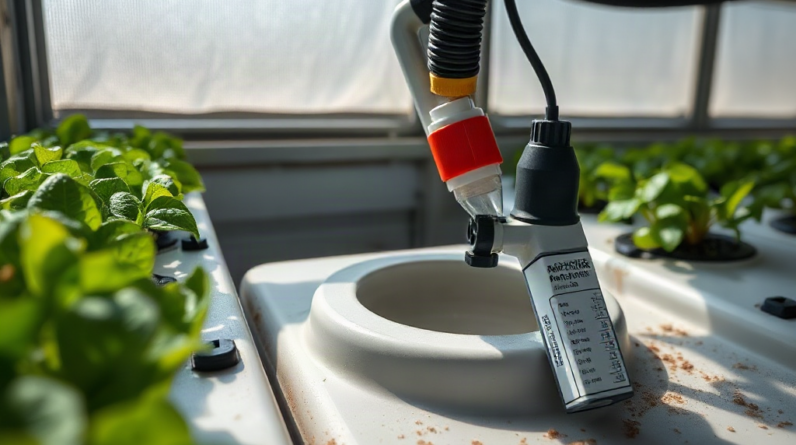
Maintaining the correct pH and EC levels is essential for nutrient availability and plant health. The ideal pH range for hydroponics is usually between 5.5 and 6.5, as this range allows for the optimal absorption of nutrients. Regular testing with pH meters or test strips can help growers keep the solution within this range.
If the pH drifts outside this range, plants may exhibit symptoms of nutrient deficiency or toxicity. Adjusting pH can be done using pH up and pH down solutions, but care must be taken to avoid rapid changes that can shock the plants. Similarly, monitoring EC levels helps ensure that nutrient concentrations are within the recommended range for the specific plants being grown.
Water Temperature Management
The temperature of the water in a hydroponic system significantly affects nutrient uptake and root health. Water temperatures should ideally be maintained between 65°F and 75°F. If the water is too cold, plants may experience stunted growth, while temperatures above 75°F can lead to increased pathogen activity and root diseases.
Growers can manage water temperature by using insulated tanks, water heaters, or chillers as necessary. Additionally, placing the hydroponic system in a temperature-controlled environment can help maintain optimal conditions.
Preventing Waterborne Diseases
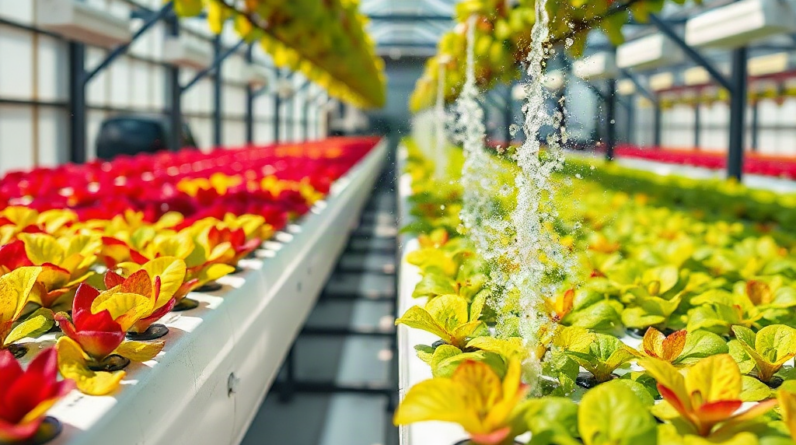
Waterborne diseases, such as root rot and Pythium, can devastate hydroponic crops. These diseases thrive in stagnant, warm water with poor oxygen levels. To prevent these issues, growers should ensure proper aeration of the nutrient solution, which can be achieved through air stones or pumps.
Regularly monitoring water quality, including dissolved oxygen levels and microbial content, is crucial. Implementing a recirculating system can also help reduce the risk of disease by continually moving water and nutrients through the system, thereby promoting healthier root environments.
Further Reading
For more detailed information, consider exploring authoritative resources on hydroponics and water management.
Authoritative Sources
- Hydroponics.net
hydroponics.netThis resource provides comprehensive guides and articles on hydroponic systems and best practices
- Gardening Know How
gardeningknowhow.comOffers practical advice and troubleshooting tips for hydroponic gardening
- Planet Natural
planetnatural.comFeatures articles on organic gardening, including hydroponic techniques and nutrient management
Frequently Asked Questions
What is the ideal pH level for hydroponic systems?
The ideal pH level for most hydroponic systems is between 5.5 and 6.5 to ensure optimal nutrient absorption.
How often should I change the nutrient solution?
It is recommended to change the nutrient solution every 1-2 weeks to prevent nutrient buildup and ensure healthy plant growth.
What temperature should the water be in a hydroponic system?
The water temperature in a hydroponic system should ideally be maintained between 65°F and 75°F for optimal root health.
How can I prevent root rot in hydroponics?
Prevent root rot by ensuring proper aeration, regular monitoring of water quality, and avoiding stagnant water conditions.
What are the signs of nutrient deficiency in hydroponic plants?
Signs of nutrient deficiency can include yellowing leaves, stunted growth, and poor fruit development, indicating the need for nutrient adjustments.
Conclusion
Prioritizing effective water management practices in hydroponics is essential for achieving robust plant growth and optimal yields. By maintaining appropriate nutrient levels, pH balance, and water temperature, growers can prevent common issues such as nutrient lockout and root diseases. Regular monitoring and adjustments are key to ensuring a thriving hydroponic environment. Implementing these best practices will lead to healthier plants and a more successful hydroponic gardening experience.