Direct Answer
Why Hydroponic Plants Fail to Thrive works best when the recommendation is tied to the growing environment rather than a broad hydroponic rule. Check pH, and airflow and compare those details with pH, light, and airflow before adding equipment or expanding plant count. The safer path is to correct the most visible limit, confirm the plant response, and leave secondary settings alone until the system proves stable.
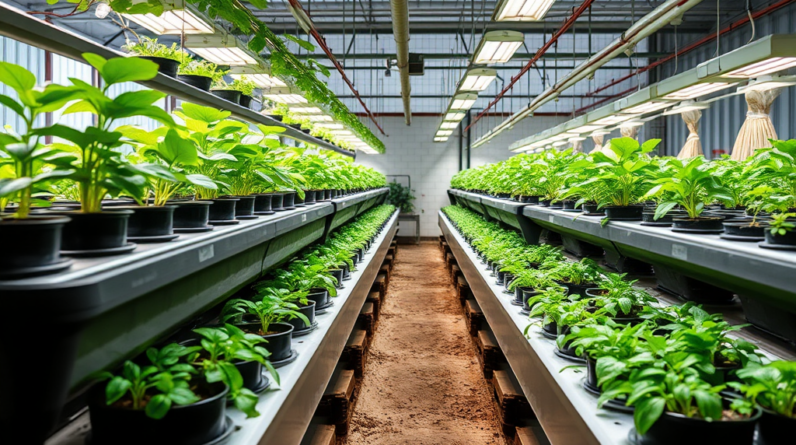
Hydroponic plants often struggle to thrive due to several critical factors affecting their growth environment. These include nutrient imbalances, incorrect pH levels, and insufficient light exposure. Each of these elements plays a crucial role in the overall health and productivity of hydroponic systems, making it essential for growers to address them promptly to foster successful plant development.
Understanding the causes behind these issues can prevent common mistakes. For instance, plants require a precise nutrient balance to ensure they receive all necessary elements for growth. An imbalanced nutrient solution can lead to deficiencies or toxicities, both of which can stunt growth. Similarly, pH levels that are too high or too low can hinder nutrient absorption, while inadequate light can limit photosynthesis, crucial for plant energy production.
Nutrient Imbalances
Nutrient imbalances are one of the primary reasons hydroponic plants fail to thrive. A well-balanced nutrient solution is critical for plant growth, as it provides the essential macro and micronutrients needed for various physiological processes. If the nutrient solution is too concentrated, it can lead to nutrient burn, while a diluted solution may not provide sufficient nourishment.
To prevent these issues, regular monitoring and adjustments of nutrient levels are necessary. Using a reliable nutrient testing kit will help ensure that the plants receive the right balance of nutrients. Additionally, following a feeding schedule based on plant growth stages can optimize nutrient uptake and support overall plant health.
pH Levels and Their Impact
The pH level of the nutrient solution significantly influences nutrient availability to plants. Most hydroponic plants thrive within a pH range of 5.5 to 6.5. If the pH strays outside this range, certain nutrients become less available, leading to deficiencies or toxicities that can hinder growth.
Regularly testing and adjusting pH levels can prevent these issues. Growers should invest in pH meters or test strips to monitor levels effectively. If imbalances are detected, pH adjusters can help bring the solution back within the optimal range, ensuring that plants can absorb nutrients efficiently.
Lighting Conditions
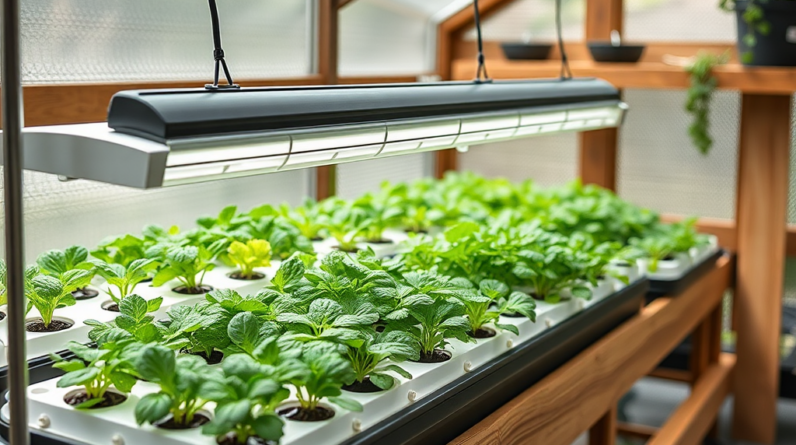
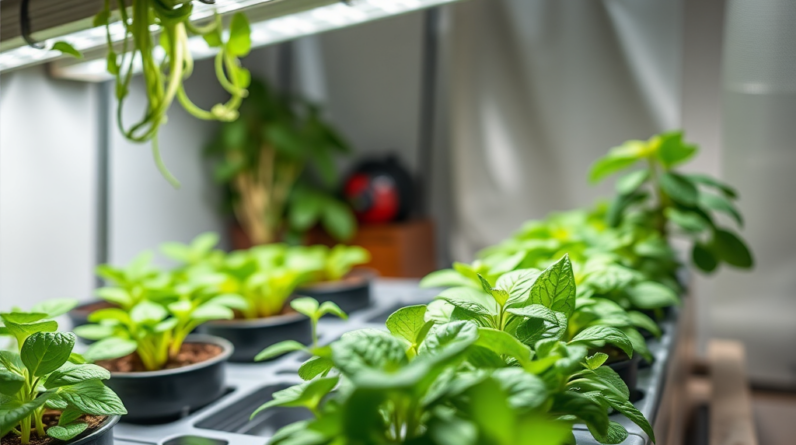
Insufficient light is another common factor contributing to the failure of hydroponic plants. Light is essential for photosynthesis, and without adequate exposure, plants cannot produce the energy necessary for growth and development. Growers should ensure that plants receive the right type and intensity of light, especially in indoor setups.
Utilizing grow lights that emit the appropriate spectrum can enhance plant health. Additionally, adjusting the duration of light exposure based on plant species can optimize growth. For instance, leafy greens typically require around 12-16 hours of light per day, while fruiting plants may need more.
Common Pests and Diseases
Pests and diseases can also undermine the health of hydroponic plants. Common pests such as aphids, spider mites, and whiteflies can damage plants by sucking sap or spreading diseases. Likewise, fungal infections can thrive in the humid environments typical of hydroponic systems.
To manage these threats, regular monitoring for signs of infestation or disease is vital. Implementing integrated pest management strategies, such as introducing beneficial insects or using organic pesticides, can help maintain plant health. Additionally, ensuring proper sanitation and airflow within the growing environment can reduce the risk of disease.
Further Reading
Authoritative Sources
- USDA National Institute of Food and Agriculture
nifa.usda.govResearch and extension resources related to agriculture, plants, soil, and food systems.
- Extension Foundation Gardening Resources
extension.orgUniversity extension education resources for practical gardening and home agriculture topics.
- USDA Natural Resources Conservation Service
nrcs.usda.govSoil, water, conservation, and land management resources for practical growing decisions.
Frequently Asked Questions
What are the main reasons hydroponic plants fail to thrive?
The main reasons include nutrient imbalances, incorrect pH levels, insufficient light, and pest infestations.
How can I prevent nutrient imbalances in my hydroponic system?
Regularly test and adjust your nutrient solution based on the plant’s growth stage to ensure a balanced supply.
What pH level should I maintain for hydroponic plants?
Most hydroponic plants thrive within a pH range of 5.5 to 6.5 for optimal nutrient availability.
How does light affect hydroponic plant growth?
Light is essential for photosynthesis; insufficient light can hinder energy production and growth.
What can I do about pests in my hydroponic garden?
Regularly inspect plants for pests and employ integrated pest management strategies to control infestations.
Conclusion
To ensure successful hydroponic gardening, it is crucial to address the common causes of plant failure, including nutrient imbalances, pH issues, lighting deficiencies, and pest threats. Regular monitoring and proactive management can help maintain optimal conditions for plant growth. By prioritizing these aspects, growers can foster a thriving hydroponic environment and achieve better yields.
Related Content
- 10 Methods for Controlling Pests in Your Hydroponic Garden
- Common Issues with Hydroponic Drip Systems: Causes and Solutions for Optimal Performance
- Hydroponic Growing Systems: A Sustainable Approach to Modern Gardening
- Water-Wise Farming: Hydroponics at Home
- How to Select the Best Lighting System for Your Hydroponic Setup