Temperature fluctuations in hydroponics can significantly hinder plant growth and reduce yields. These variations can cause nutrient uptake issues and increase vulnerability to diseases, as plants thrive within specific temperature ranges. For optimal growth, it's essential to maintain temperatures between 65°F and 75°F (18°C to 24°C) during the day. Implementing effective temperature control systems and regularly monitoring conditions can help mitigate stress on plants. Additionally, avoiding common mistakes, such as inadequate insulation or malfunctioning equipment, is crucial for maintaining a stable environment conducive to healthy plant development.
Understanding Temperature Fluctuations
Temperature fluctuations refer to the variations in ambient and nutrient solution temperatures that can occur in hydroponic systems. These changes can be caused by external weather conditions, inadequate insulation, or malfunctioning heating and cooling systems. Understanding how these fluctuations occur is essential because they can lead to significant stress on plants, impacting their physiological processes.
Plants in hydroponic systems thrive within specific temperature ranges, typically between 65°F and 75°F (18°C to 24°C) during the day and slightly cooler at night. When temperatures fall below or rise above these ranges, it can lead to suboptimal growth conditions. For instance, high temperatures can increase respiration rates, leading to quicker depletion of energy reserves, while low temperatures can slow down growth and nutrient uptake.
Effects on Plant Health and Growth
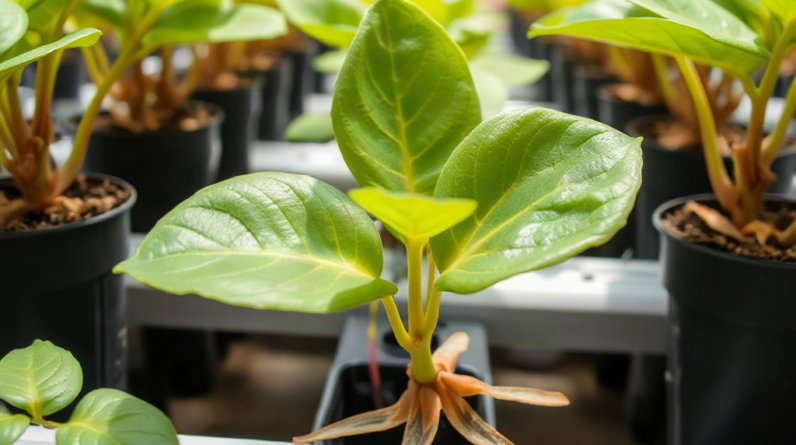
The impact of temperature fluctuations on plant health is profound. Plants exposed to inconsistent temperatures may experience stunted growth, reduced yields, or even death. High temperatures can lead to heat stress, which manifests as wilting, leaf curling, and poor fruit development. Conversely, low temperatures can cause chilling injuries, resulting in slowed metabolic processes and nutrient deficiencies.
Moreover, temperature fluctuations can create an environment conducive to pests and diseases. For example, warm and humid conditions can promote mold growth, while cooler temperatures can weaken plant defenses against pests. This interplay between temperature and plant health highlights the need for careful monitoring and management to ensure optimal growing conditions.
Strategies for Temperature Regulation
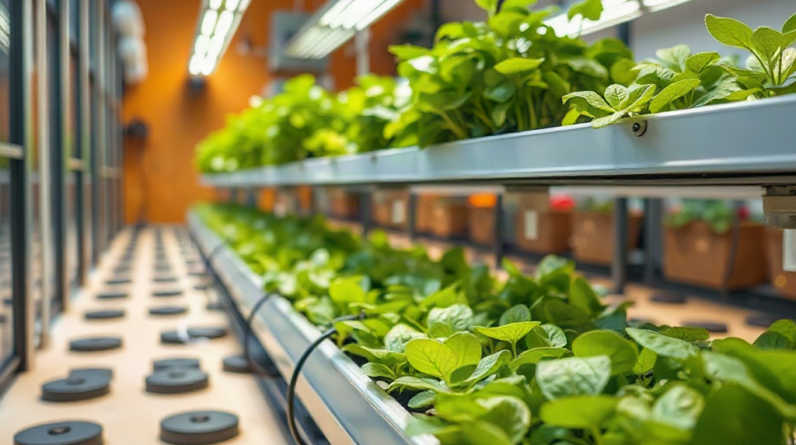
To mitigate the impact of temperature fluctuations, hydroponic gardeners can implement several strategies. First, using environmental control systems such as thermostats, fans, and heaters can help maintain a consistent temperature. Automated systems can adjust conditions in real-time, ensuring that plants remain within their ideal temperature range.
Additionally, proper insulation of the growing area can minimize external temperature influences. Using thermal curtains or reflective materials can help in maintaining stable temperatures. Regular monitoring with temperature sensors is crucial, allowing for immediate adjustments when fluctuations are detected. This proactive approach can safeguard against the adverse effects of temperature changes.
Common Mistakes to Avoid
One common mistake in managing temperature in hydroponics is neglecting to monitor temperature fluctuations regularly. Relying solely on intuition without data can lead to significant plant stress. Another mistake is failing to account for the cumulative effects of temperature changes over time, which can be detrimental to plant development.
Moreover, many gardeners underestimate the impact of external weather conditions, such as sudden cold snaps or heatwaves. It’s essential to have contingency plans in place, such as backup heating or cooling systems, to respond promptly to unexpected temperature changes. Addressing these mistakes can greatly enhance plant health and yield.
Frequently Asked Questions
What is the ideal temperature range for hydroponics?
The ideal temperature range for hydroponics is typically between 65°F to 75°F (18°C to 24°C) during the day.
How do temperature fluctuations affect nutrient uptake?
Temperature fluctuations can hinder nutrient uptake by affecting root function and metabolic rates, leading to deficiencies.
What measures can I take to stabilize temperatures in my hydroponic system?
Measures include using thermostats, insulation, and automated climate control systems to maintain consistent temperatures.
Can temperature changes lead to plant diseases?
Yes, inconsistent temperatures can create stress, making plants more susceptible to diseases and pest infestations.
What are the signs of temperature stress in plants?
Signs of temperature stress include wilting, leaf curling, discoloration, and stunted growth.
Conclusion
Temperature management is critical in hydroponics, as fluctuations can significantly affect plant health and yield. By understanding the causes and consequences of temperature changes, growers can implement effective strategies to stabilize their environments. Regular monitoring, proactive adjustments, and awareness of common pitfalls can ensure optimal conditions for plant growth, leading to a successful harvest.
Related Content
- Unlock the Secrets to Thriving Hydroponic Gardens
- The Ultimate 2025 Guide to the Best Vertical Hydroponic Systems for Max Yield
- Growing Hydroponically Indoors: Essential Techniques for Thriving Plants
- How to Prevent Nutrient Lockout in Hydroponic Systems: Effective Methods and Common Mistakes
- Achieve Peak Growth Efficiency with Hydroponics