
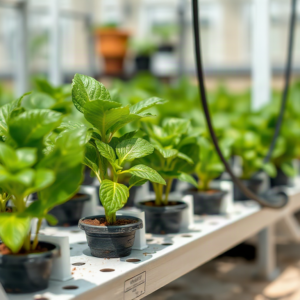
Hydroponic Irrigation System Pressure Troubleshooting for Low Flow, Surges, and Uneven Drippers
Hydroponic irrigation system pressure troubleshooting should begin by measuring pressure near the pump and at the farthest outlet, then comparing those readings with actual emitter flow. Low flow commonly points to a clogged filter, restricted intake, undersized pump, air leak, or excessive lift, while surging suggests trapped air, an unstable…
Read More »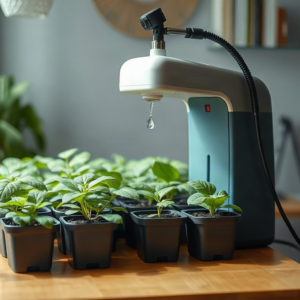
Automatic Plant Watering for Hydroponic Vacation Care (Setup Plan and Failure Checks)
Automatic Plant Watering for Hydroponic Vacation Care (Setup Plan and Failure Checks)
Read More »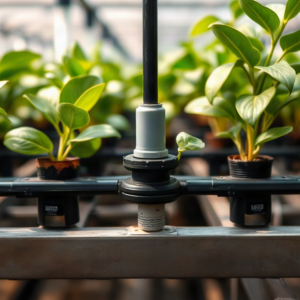
Hydroponic Drip Irrigation System Flow Balancing — Pressure Tests, Adjustments, and Failure Signs
Hydroponic drip irrigation system flow balancing requires measuring emitter output, correcting pressure differences, and removing restrictions so every plant receives a comparable nutrient volume during each cycle. Collect discharge from representative drippers for a fixed time, compare the volumes, and inspect low-flow outlets for mineral deposits, root intrusion, kinked tubing, or undersized supply lines.
Read More »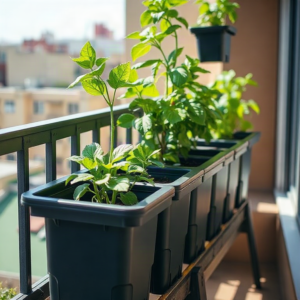
Balcony Container Selection for Hydroponic Growing: Load, Light, and Drainage Checklist
Balcony container selection for hydroponic growing should prioritize safe loaded weight, opaque food-compatible materials, stable dimensions, controlled drainage, and enough reservoir volume to limit rapid nutrient and temperature swings. Calculate weight with the container full because each liter of nutrient solution adds about one kilogram before plants, supports, and equipment are counted.
Read More »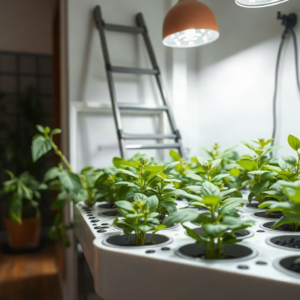
Place Hydroponics Away From Household Heating Vents to Stabilize Temperature and Humidity
Place hydroponics away from household heating vents because forced hot air can rapidly raise leaf temperature, lower local humidity, and accelerate reservoir evaporation. Position the growing area beyond the vent’s direct airflow, then verify conditions at plant height rather than relying on a thermostat across the room.
Read More » Recover Hydroponic Plants After Missed Irrigation: Triage, Rewatering, and Recovery Signs
Recover hydroponic plants after missed irrigation by restoring water flow, checking root moisture and temperature, and rewetting dry media gradually rather than flooding stressed roots with strong nutrient solution. Confirm that the pump, timer, emitters, and reservoir are working before treating visible wilt as a nutrient deficiency.
Read More »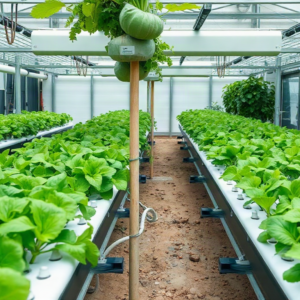
Match Hydroponic Crops to Household Demand: A Weekly Harvest Checklist
Match hydroponic crops to household demand by recording what the household actually eats each week, then sizing plantings around edible yield, harvest frequency, crop duration, and available growing space. Favor cut-and-come-again lettuce, herbs, and other frequently used greens before committing room to slower fruiting crops.
Read More »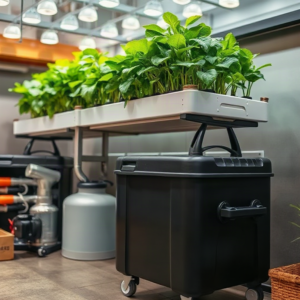
How to Store Unused Hydroponic Equipment Without Mold, Corrosion, or Clogged Lines
Store unused hydroponic equipment by draining it completely, removing mineral and root residue, sanitizing compatible surfaces, and allowing every component to dry before packing. Separate pumps, tubing, meters, grow lights, and nutrient products because each has different moisture, temperature, and handling requirements.
Read More »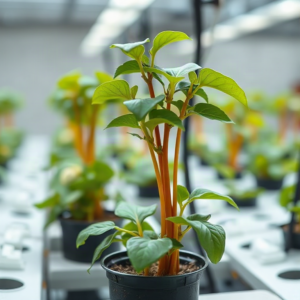
Strengthen Weak Stems in Hydroponic Plants: Causes, Corrections, and Recovery Signs
Strengthen weak stems in hydroponic plants by correcting excessive light distance, stagnant air, rapid growth, root-zone stress, and unbalanced nutrition before relying on physical supports. Place the light at a crop-appropriate intensity, create gentle stem movement with an oscillating fan, maintain steady root oxygenation, and verify nutrient concentration and pH with calibrated meters.
Read More »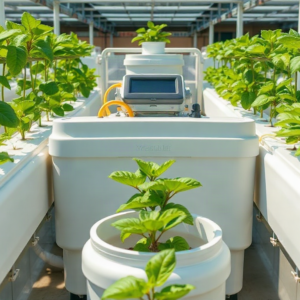
Improve Reservoir Maintenance Access in Hydroponics With a 7-Point Retrofit Plan
Improve reservoir maintenance access in hydroponics by creating unobstructed service space, adding a removable light-blocking lid, and placing pumps, sensors, drains, and sample points where they can be reached without moving plants. Provide enough clearance to lift equipment vertically, route cables through labeled openings, and use an accessible drain valve…
Read More »