Growing hydroponic vegetables in cold rooms works when root-zone temperature, air temperature, lighting, and humidity are managed together rather than treating cold as a simple thermostat setting. Use crops suited to cool conditions, insulate reservoirs and pipes, prevent chilled nutrient solution from reaching roots, and provide enough light to offset slower winter growth. Leafy greens and herbs generally tolerate cool rooms better than warm-season fruiting plants, while condensation and low dissolved-oxygen balance can create disease or nutrient-uptake problems. Monitor temperature at canopy and root level, adjust irrigation timing, and increase airflow without exposing plants to damaging drafts.
Set Temperature Targets by Crop and Root Zone
Cold-room hydroponics succeeds when plant temperature is managed at two levels: the surrounding air and the nutrient solution touching the roots. A room that feels comfortable to a person may still deliver excessively cold water through a reservoir, chilled supply line, or exposed growing channel. Roots exposed to cold solution often show slower growth before leaves reveal an obvious problem because water movement and nutrient uptake become less active.
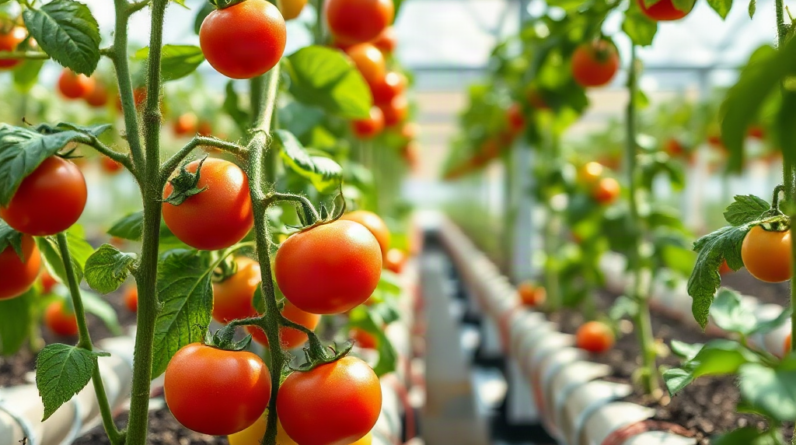
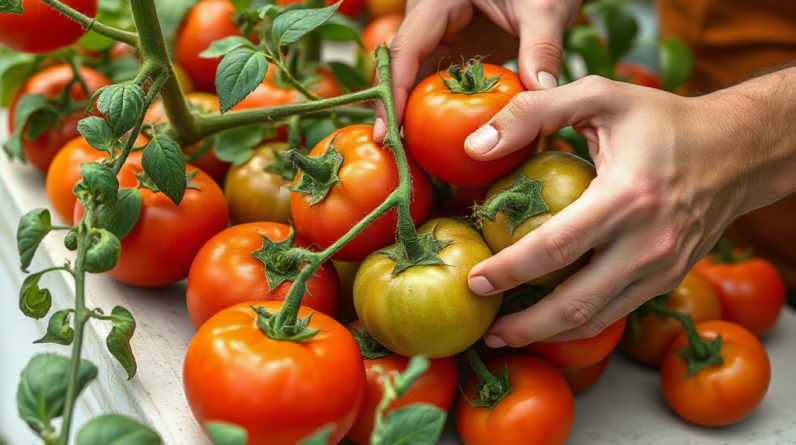
Cool-season leafy crops commonly perform well with daytime air temperatures around 60–70°F, while many prefer slightly cooler conditions at night. Exact targets vary by cultivar and growth stage, so these figures should be treated as useful starting points rather than universal rules. Fruiting crops such as tomatoes, cucumbers, and peppers usually need warmer conditions and stronger light; keeping them in a genuinely cold room may produce slow development, poor flowering, or disappointing fruit set.
Measure temperature where it affects the plant, not only beside the door. Place one sensor near the canopy and another in the reservoir or return line. A reservoir positioned on a concrete floor can be several degrees colder than the air above it. Insulating the tank, raising it from the floor, and routing pipes away from exterior walls can reduce abrupt temperature swings. Do not seal a reservoir so tightly that gas exchange or equipment access becomes impractical.
A common mistake is heating the room aggressively while leaving the nutrient solution cold. That combination can raise humidity through evaporation and create a warm canopy over a stressed root zone. A modest root-zone heater with a thermostat may be more efficient than heating the entire room, especially in a small indoor setup. Anyone comparing approaches should consider energy cost, tank volume, insulation quality, and whether the crop actually requires warmth. For a detailed planning reference, see Growing hydroponic vegetables in cold rooms alongside your system notes.
Choose Vegetables That Handle Cool Conditions
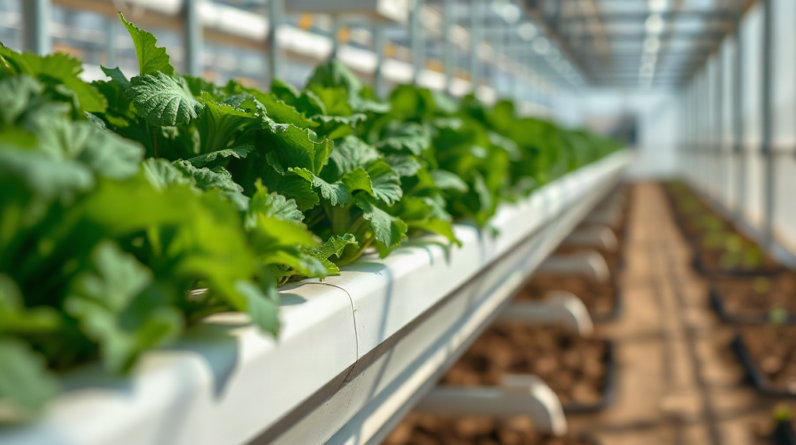
Crop selection determines how much work a cold room will require. Lettuce, arugula, kale, mustard greens, Swiss chard, spinach, mizuna, and many Asian greens are generally more forgiving in cool indoor conditions than heat-loving fruit crops. Their compact growth and short harvest window also make it easier to evaluate the room before investing in additional heating or lighting.
Cool tolerance does not mean every variety grows rapidly at low temperatures. Growth may slow, leaves may become smaller, and harvest timing may extend when light is weak. Spinach, for instance, may remain attractive in cool conditions but still grow slowly if winter lighting is inadequate. Lettuce can tolerate a chilly room yet suffer if condensation repeatedly wets its crown. The plant’s response reflects temperature, light, airflow, humidity, and root conditions together.
Begin with one or two leafy crops rather than mixing a fruiting crop into the same climate zone. A shelf of lettuce and herbs can use a cooler setting, while tomatoes or cucumbers may need a separate, warmer enclosure. This separation avoids compromising the entire garden for a single crop with different demands. If a shared system is unavoidable, select crops with similar temperature and nutrient requirements and accept that the compromise may favor one group.
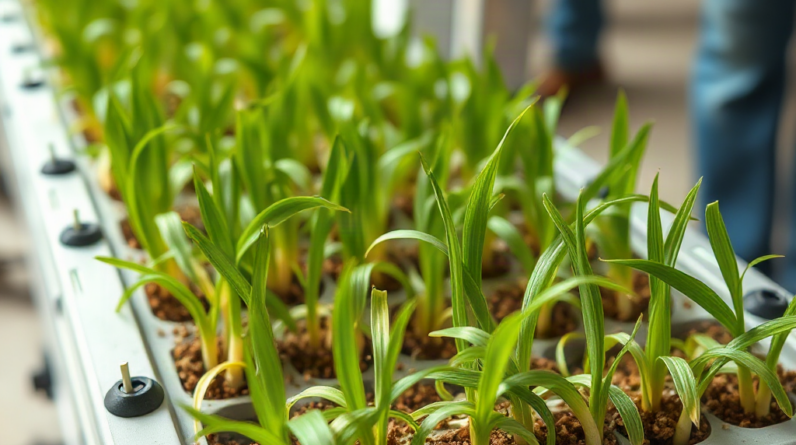
Seedlings deserve special attention. Germination and early root development can be slower in a cold room, and a young plant has less leaf area to compensate for weak light. A small propagation area maintained at a steadier temperature can improve establishment before plants move to the cooler production space. Avoid assuming that a variety advertised as cold-tolerant will thrive in chilled nutrient solution; foliage tolerance and root-zone tolerance are related but not identical.
Record days from transplanting to harvest, leaf size, root color, and signs of tip damage. Those observations are more useful than judging success by a single harvest. If plants remain compact but healthy, the room may simply be operating at a slower pace. If roots darken, leaves wilt despite a full reservoir, or growth stalls abruptly, investigate the root environment before blaming the seed variety.
Control Light, Humidity, and Air Movement
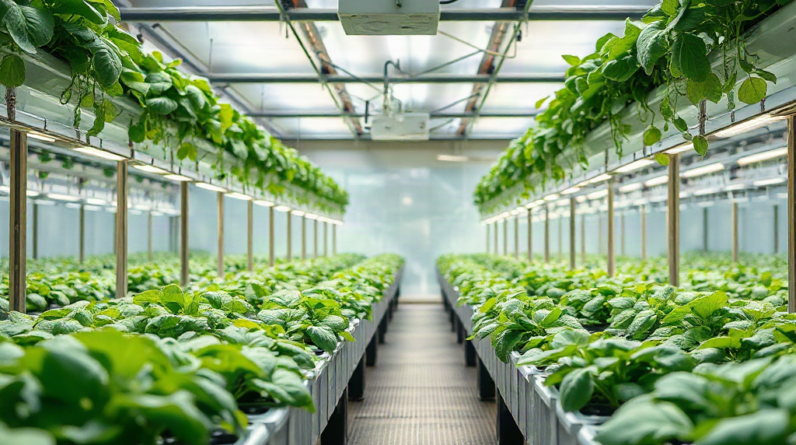
Cold air changes how plants use light and how quickly water leaves the leaves. When temperature falls, transpiration often slows, so roots may absorb water and minerals at a different rate. Weak winter sunlight or a short photoperiod then compounds the problem by limiting photosynthesis. Supplemental grow lighting may be needed not to warm the room, but to provide a dependable daily energy source for healthy leaf production.
Use a timer and keep the light height appropriate for the fixture and crop. Excessive distance can produce thin, stretched growth; excessive intensity without adequate airflow can create leaf stress. A leafy-green shelf may need a different light arrangement from a fruiting plant because the canopy height and expected production are different. Watch plant shape and new growth rather than relying only on the fixture’s advertised coverage.
Humidity is a frequent cold-room hazard. Cold surfaces, including windows, metal shelving, and uncovered reservoirs, can collect condensation when moist air reaches them. Persistent moisture on leaves or around plant collars favors fungal and bacterial problems, especially where air remains still. An exhaust fan, circulating fan, or dehumidifier can help, but airflow should move across and around the canopy rather than blast directly at tender plants.
For a small room, inspect the coldest surfaces during the lights-off period. If droplets appear on walls or equipment, reduce the source of moisture, improve circulation, or dehumidify before adding more plants. Covering an exposed reservoir can reduce evaporation, while insulating cold pipes limits condensation. The tradeoff is that sealed covers and dense foliage can hide leaks or reduce visual access, so inspection must remain part of the routine.
Cold rooms also magnify the difference between lights-on and lights-off conditions. A room that reaches a suitable daytime temperature may drop sharply overnight when lighting and equipment stop. A thermostat, thermal mass, or timed low-output heater can soften the swing. Avoid placing the heater beside a temperature sensor or directly under a plant canopy, since that may create a misleading reading and uneven growth.
Prevent Cold-Related Nutrient and Root Problems
Cold stress often appears as a nutrient problem because chilled roots cannot maintain the same uptake pattern as roots in warmer conditions. Leaves may pale, growth may slow, or new tissue may look distorted even when the nutrient mixture is correctly prepared. Adding extra fertilizer immediately can worsen the situation by increasing salt concentration while the plant’s demand remains low.
Check the basics in sequence: reservoir temperature, pH, electrical conductivity, water level, pump operation, and root appearance. A pH or EC reading taken from a poorly mixed reservoir can mislead, particularly when salts have settled or when top-up water has not circulated. Let the solution mix fully before testing, and compare readings over time instead of reacting to one number.
Root oxygen is another concern. Cooler water can hold more dissolved oxygen than warm water, but that advantage does not compensate for stagnant flow, clogged emitters, organic debris, or a failing air pump. Roots should be inspected for firm texture and a clean appearance appropriate to the growing medium. Slimy roots, sour odors, or widespread browning call for immediate investigation of sanitation, circulation, temperature swings, and plant debris.
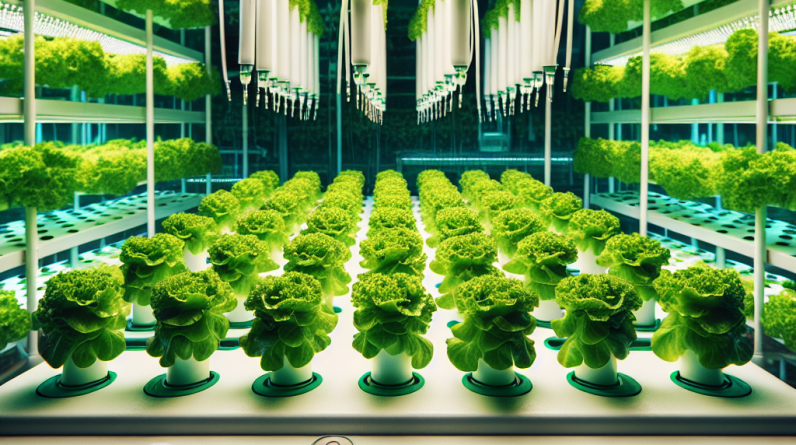
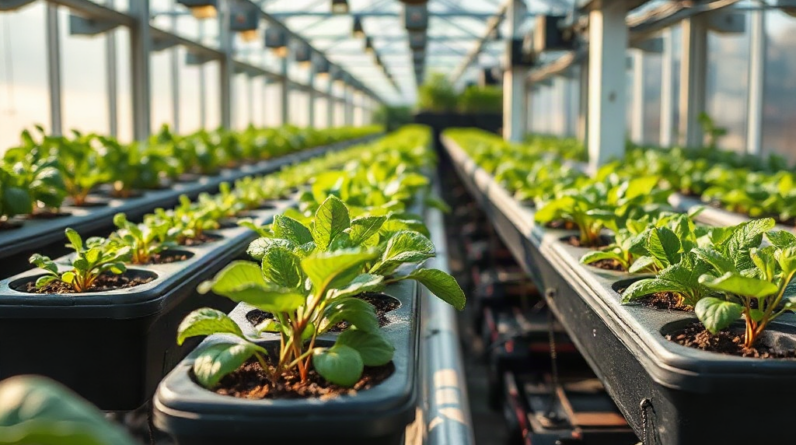
Deep-water culture, nutrient film technique, drip systems, and ebb-and-flow systems respond differently to a cold room. Deep-water culture exposes roots to the reservoir continuously, so tank insulation and solution temperature matter greatly. NFT channels can chill a thin film rapidly if they run beside an exterior wall. Drip systems may deliver cold solution directly to a warm root zone, creating repeated fluctuations. Choose the design that you can monitor and maintain, not merely the one with the lowest purchase price.
One weak assumption is that colder always means safer because pathogens prefer warmth. Disease risk depends on moisture, cleanliness, oxygen, plant stress, and temperature stability, not temperature alone. Remove dead leaves, clean spills, prevent light from entering reservoirs where appropriate, and keep replacement water close to the operating temperature. Make changes gradually; a sudden temperature correction can stress plants almost as much as prolonged chill.
Build a Practical Cold-Room Growing Routine
A reliable routine turns a variable room into a manageable growing environment. Inspect plants and equipment at the same time each day, including during the coolest part of the room’s cycle at least several times each week. Look for wilted leaves, condensation, uneven growth, blocked irrigation, and temperature readings that disagree between sensors.
Use this priority order when adjusting the setup:
- Protect the roots first: prevent the reservoir and supply lines from becoming colder than the crop can tolerate.
- Stabilize the daily range: reduce sharp lights-on and lights-off swings before chasing small pH or EC changes.
- Provide usable light: confirm that new leaves remain compact and well formed rather than merely increasing fixture power.
- Manage moisture: keep leaves, collars, walls, and electrical equipment dry enough to avoid persistent condensation.
- Change one variable at a time: otherwise a faster harvest or a failed crop cannot be linked to a specific correction.
Suppose a lettuce shelf has healthy roots but small leaves after several weeks. If the canopy is stretched and the reservoir is stable, light intensity or photoperiod may be limiting production. If the leaves are firm but growth is simply slow, the cool temperature may be the expected tradeoff. If the plant wilts while the medium is wet, inspect root health and airflow rather than increasing irrigation.
Keep a simple log with air temperature, root-zone temperature, pH, EC, water use, lighting hours, and harvest weight. The goal is not laboratory precision; it is pattern recognition. A falling water level without corresponding growth may signal evaporation, a leak, or unusual room dryness. A sudden pH shift after heating may indicate changed plant uptake or poor mixing. These records make the next adjustment deliberate.
Cold-room growing is most practical when the crop plan matches the building rather than fighting it. A lightly heated, insulated shelf producing greens may use fewer resources than a fully warmed room attempting to fruit tomatoes in winter. If production volume, crop choice, or climate demands exceed the room’s ability to remain stable, a separate enclosure or a seasonal crop change may be more sensible than adding layers of equipment.
For crop-specific temperature ranges, hydroponic nutrient management, and indoor environmental control, consult university extension publications, government horticulture resources, and manufacturer documentation for the particular lighting, pump, and climate-control equipment in use. Recommendations should be matched to the crop variety, system design, and measured root-zone conditions.
Frequently Asked Questions
Can hydroponic vegetables grow in an unheated room?
Some leafy greens and herbs can, provided the room does not experience damaging temperature swings and the nutrient solution does not become excessively cold. Fruiting crops are less suitable.
What vegetables are best for a cold hydroponic room?
Lettuce, arugula, kale, spinach, mustard greens, Swiss chard, mizuna, and several cool-season herbs are practical starting choices.
Should the nutrient reservoir be heated?
Heating may help when the solution is consistently colder than the crop can handle, but insulation and removing drafts should come first. Use a thermostat and monitor the actual solution temperature.
Why do plants wilt in a cold hydroponic setup?
Possible causes include chilled roots, poor circulation, blocked irrigation, root disease, or a mismatch between lighting and water uptake. Check root-zone conditions before adding fertilizer.
Does cold weather prevent hydroponic plants from absorbing nutrients?
Cold can slow root activity and alter nutrient uptake, but the effect depends on the crop, solution temperature, oxygenation, light, and overall plant health.
Conclusion
Growing vegetables in a cold hydroponic room is most dependable when the crop, root zone, light, and moisture conditions are planned as one system. Start with cool-tolerant leafy crops, insulate reservoirs and exposed plumbing, and measure both canopy and solution temperatures. Treat slow growth as a diagnostic signal rather than an invitation to add more nutrients, and investigate lighting, oxygenation, circulation, and condensation in that order. A small log of environmental readings and plant responses will reveal whether the room is stable enough for production or whether a separate enclosure is justified. With realistic crop choices and controlled temperature swings, a cold room can produce useful greens without the energy demands of maintaining a warm fruiting environment.