

How to Create a Hydroponic Nutrient Management Plan With Mixing Targets and Adjustment Rules
Create a hydroponic nutrient management plan by setting crop-stage targets for electrical conductivity and pH, defining a repeatable mixing order, and recording how the reservoir changes between checks. Base nutrient strength on the crop, growth stage, source water, and fertilizer label rather than treating one EC value as universal.

Managing Hydroponic Systems in Extreme Weather Without Crop Loss: A Response Plan
Manage hydroponic systems in extreme weather by stabilizing the nutrient solution first, then protecting power, airflow, irrigation delivery, and exposed equipment according to the forecast hazard. During heat, shade reservoirs, increase aeration, and reduce radiant heat without abruptly changing nutrient strength; during freezes, insulate plumbing and maintain safe root-zone temperatures.

Dealing With Nutrient Solution Contamination: Detection, Cleanup, and Restart Steps
Deal with nutrient solution contamination by isolating the reservoir, stopping recirculation between affected and unaffected plants, and deciding whether the solution can be corrected or must be discarded. Cloudiness, slime, unusual odor, drifting pH, blocked emitters, and discolored roots can indicate microbial growth, organic debris, chemical mixing errors, or contaminated source water.

How to Approach Hydroponic Seed Germination Challenges From Seed Preparation Through Root Emergence
Approach hydroponic seed germination challenges by stabilizing moisture, temperature, oxygen, and seed-to-medium contact before changing nutrients or lighting. Keep the germination medium evenly damp rather than saturated, match root-zone temperature to the crop, and provide gentle airflow without drying exposed seeds.
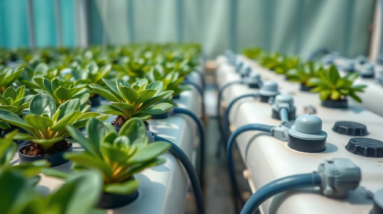
Optimizing Water Usage in Hydroponic Gardening With a Recirculation and Leak-Control Checklist
Optimize water usage in hydroponic gardening by recirculating the nutrient solution, covering exposed reservoirs and channels, repairing leaks, and replacing only the volume plants and evaporation remove. Measure reservoir loss at the same time each day, then distinguish normal crop uptake from abnormal losses caused by dripping fittings, overflowing return lines, or excess heat.

Identifying Signs of Nutrient Deficiency in Seedlings by Leaf Pattern, Location, and Timing
Identify nutrient deficiency in seedlings by examining where discoloration begins, how it spreads, and whether roots and new leaves are developing normally. Yellowing on older leaves can indicate a mobile-nutrient shortage such as nitrogen, while distorted or pale new growth points more toward calcium, iron, or another poorly mobile element.

Modifying Light Schedules for Different Growth Stages (Timing, Transitions, and Warning Signs)
Modify light schedules for different growth stages by setting the photoperiod, light intensity, and uninterrupted dark period around the crop’s developmental needs rather than changing timer hours alone. Seedlings generally need gentle, consistent light; vegetative crops can use a longer day and higher daily light integral; flowering crops may require…

Issues With Hydroponic Crop Spacing—Causes, Symptoms, and Correction Methods
Issues with hydroponic crop spacing usually arise when mature canopy width, root volume, airflow, and equipment access are underestimated at planting. Crowded crops shade lower leaves, trap humid air, restrict inspection, and may cause roots to obstruct channels or compete for dissolved oxygen.

Enhancing Root Structure in Hydroponic Plants Through Oxygen, Flow, and Root-Zone Control
Enhance root structure in hydroponic plants by maintaining dissolved oxygen, steady nutrient flow, suitable solution temperature, crop-appropriate EC and pH, and enough physical space for new roots. Keep the reservoir shaded and aerated, prevent channels and emitters from becoming obstructed, and inspect roots before changing additives.
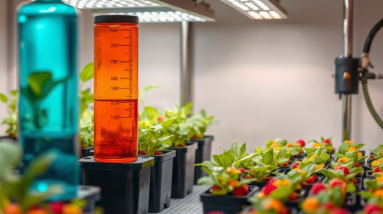
How to Troubleshoot Nutrient Solution Heating Issues Using Temperature Patterns and Equipment Tests
To troubleshoot nutrient solution heating issues, record reservoir temperature at several points in the light cycle, compare it with room temperature, and isolate heat from pumps, lamps, plumbing, and nearby equipment. Check the reading with a second thermometer before changing the system, then test suspected devices individually to see how…