
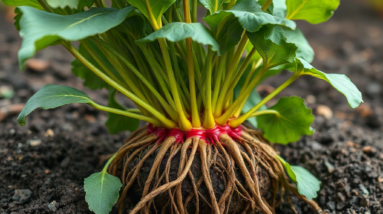
How to Manage Root Health for Crop Productivity: Checks, Causes, and Recovery Steps
Manage root health for crop productivity by keeping the root zone oxygenated, maintaining crop-appropriate pH and nutrient strength, controlling solution temperature, and removing conditions that favor decay. Inspect root color, texture, odor, branching, and new growth alongside reservoir trends rather than judging roots by color alone.
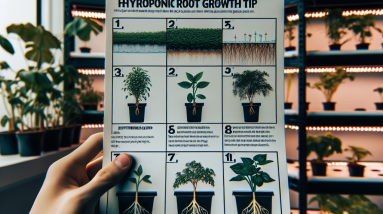
How to Approach Hydroponic Vegetable Breeding: Parent Selection, Trials, and Trait Stability
Approach hydroponic vegetable breeding by defining a measurable target, selecting genetically distinct parents, making controlled crosses, and evaluating offspring under the same root-zone and climate conditions in which the final variety will grow. Record parentage, germination, yield, flavor, flowering time, disease symptoms, and tolerance to pH, electrical conductivity, heat, or low light.
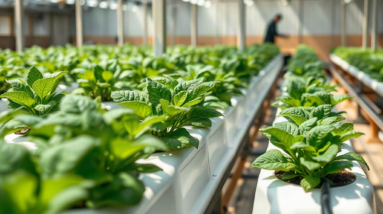
How to Prevent Nutrient Overload in Hydroponics: EC Limits, Warning Signs, and Recovery Steps
Prevent nutrient overload in hydroponics by mixing fertilizer below the crop’s target electrical conductivity, measuring EC and pH after every addition, and tracking reservoir changes between top-ups. Excess salts raise osmotic pressure around the roots, making water uptake difficult even when the reservoir is full; leaf-tip burn, stalled growth, rising…
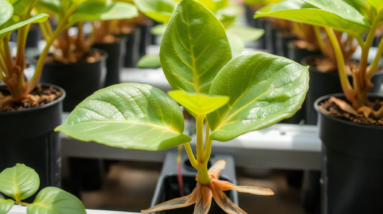
Assessing Plant Health in Hydroponic Systems Through Leaves, Roots, and Reservoir Trends
Assess plant health in hydroponic systems by comparing leaf appearance, new growth, root condition, and reservoir readings over time rather than judging one symptom alone. Inspect whether new leaves are correctly shaped and evenly colored, confirm that roots are firm and pale rather than slimy or foul-smelling, and record pH…
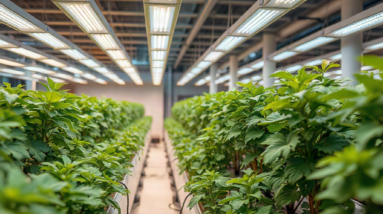
How to Ensure Optimal Light Distribution in Hydroponics: Placement, Measurements, and Mistakes
Ensure optimal light distribution in hydroponics by matching fixture coverage to the planted canopy, setting height from the manufacturer’s intensity map, and verifying several locations with a PAR meter rather than judging brightness by eye.
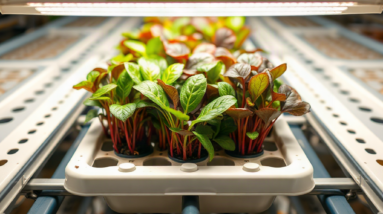
Troubleshooting Uneven Growth in Hydroponic Gardens Using a Cause-by-Zone Test
Troubleshooting uneven growth in hydroponic gardens works best by mapping weak plants by location, then comparing root condition, nutrient delivery, light exposure, airflow, and water temperature between strong and weak zones. A location-based pattern usually points to equipment or environmental variation, while scattered symptoms more often suggest plant age, transplant…
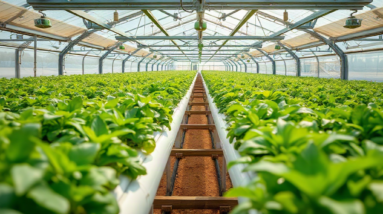
Kratky Versus Active Hydroponic Systems: Costs, Crop Fit, and Failure Risks
Kratky versus active hydroponic systems is primarily a choice between passive simplicity and powered control over nutrient circulation, root oxygen, and reservoir conditions. Kratky growing suits short-cycle leafy crops when low cost, silence, and minimal equipment matter, but its fixed reservoir offers limited correction capacity as water levels and nutrient strength change.
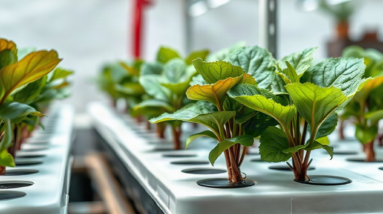
How to Prevent Leaf Curl in Hydroponic Plants With a Daily Diagnosis Checklist
Prevent leaf curl in hydroponic plants by checking the root zone before changing the nutrient formula: verify solution pH and EC, confirm strong aeration and drainage, and inspect roots for heat damage or decay. Then evaluate leaf temperature, airflow, humidity, and pest activity because curled foliage often reflects water stress rather than a simple deficiency.
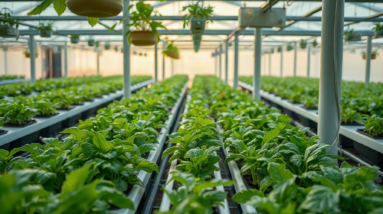
Evaluating the Effectiveness of Hydroponic Systems: Performance Measures and Testing Methods
Evaluate the effectiveness of hydroponic systems by tracking crop output, plant quality, resource use, operating stability, and total production cost across complete growing cycles. Record marketable yield, crop time, water and fertilizer consumption, energy use, labor, pH, electrical conductivity, solution temperature, and equipment failures under consistent conditions.
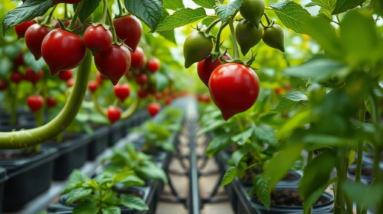
Issues With Hydroponic Fruit Set—Pollination, Climate, and Flower-Drop Causes
Issues with hydroponic fruit set usually trace to incomplete pollination, excessive heat or humidity, unstable root-zone conditions, or nutrition that favors leafy growth over reproductive development. Check whether flowers are releasing and receiving viable pollen before changing the nutrient formula, because tomatoes, peppers, cucumbers, and strawberries have different pollination needs.