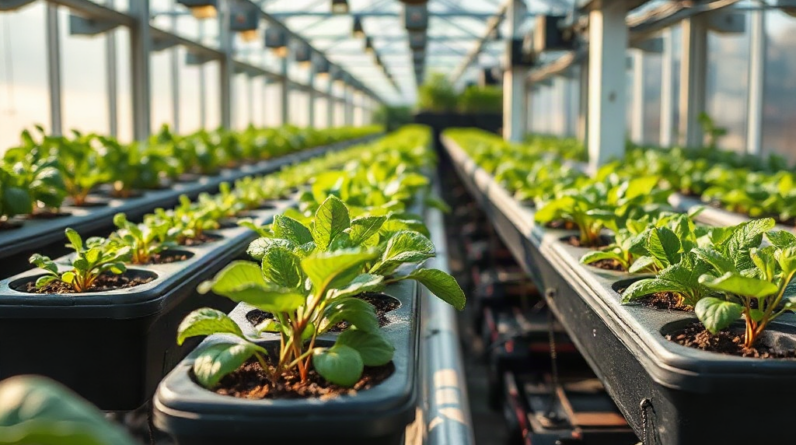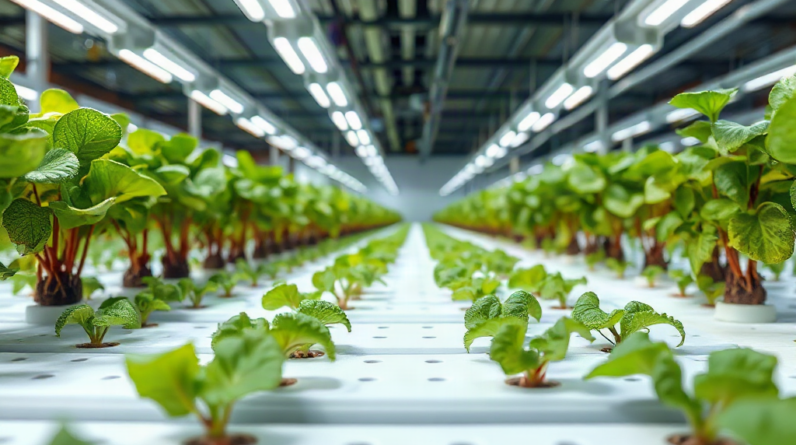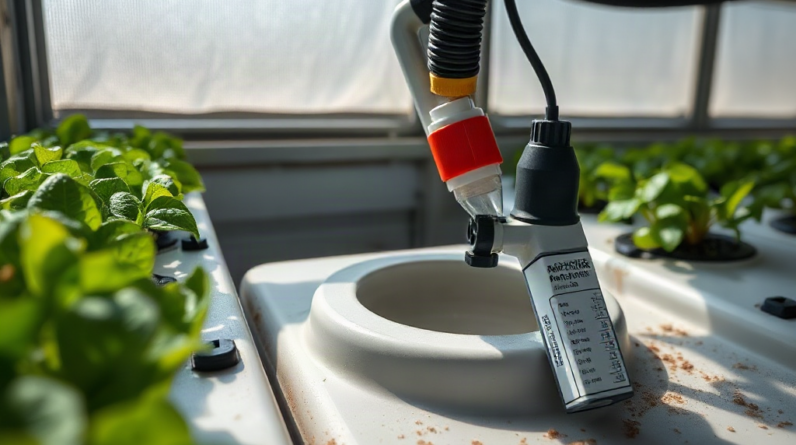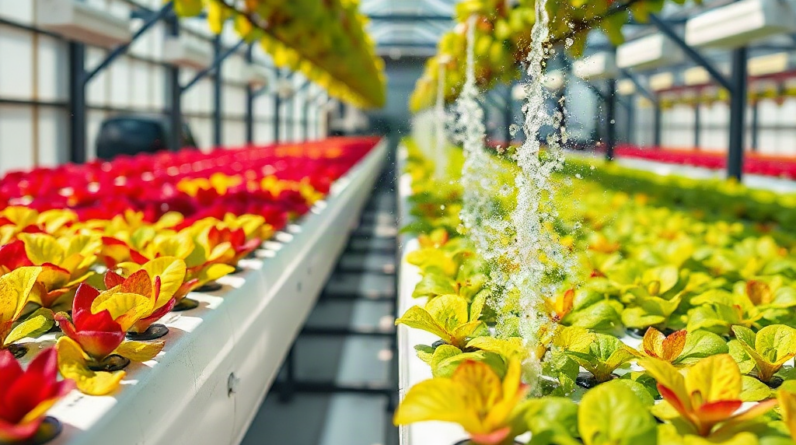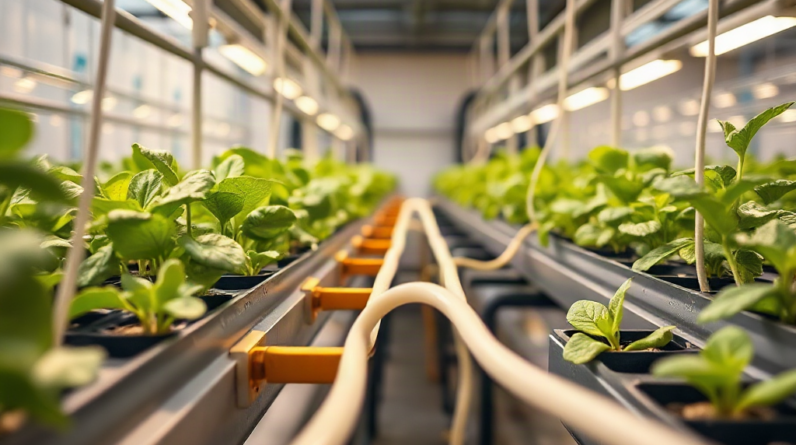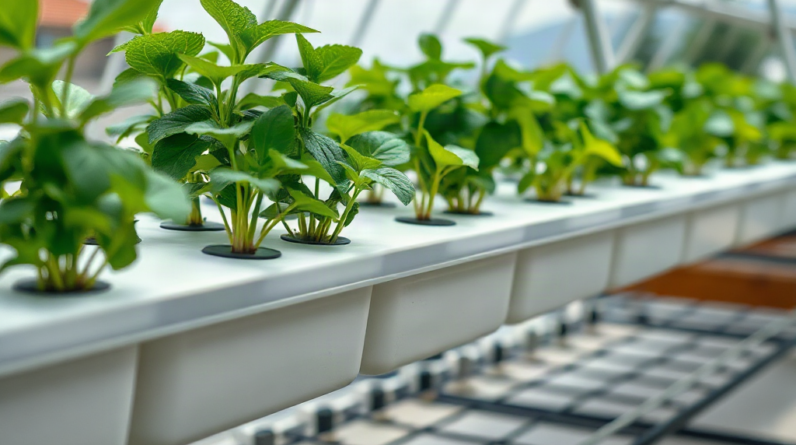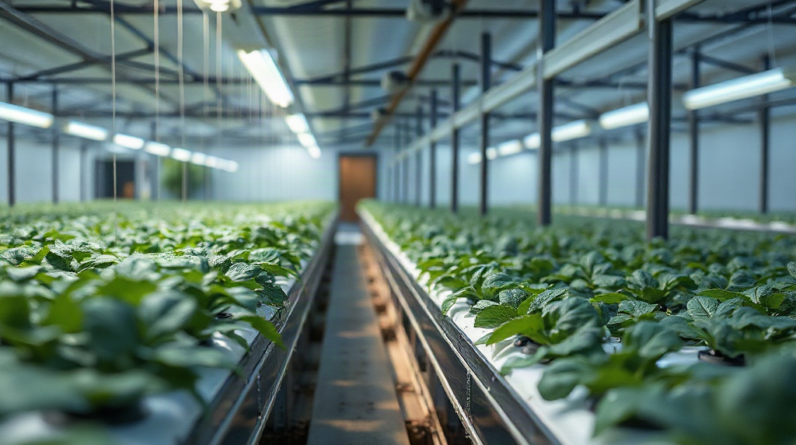
Manage hydroponic systems in extreme weather by stabilizing the nutrient solution first, then protecting power, airflow, irrigation delivery, and exposed equipment according to the forecast hazard. During heat, shade reservoirs, increase aeration, and reduce radiant heat without abruptly changing nutrient strength; during freezes, insulate plumbing and maintain safe root-zone temperatures. Storm preparation should include charged backup power, secured structures, cleared drains, and enough stored water to operate through an interruption. Monitor solution temperature, water level, pH, electrical conductivity, root appearance, and plant wilt more frequently, because extreme conditions can turn a minor pump or dosing error into rapid crop damage.
Assess the Weather Threat and Protect Critical Functions
Extreme weather becomes a hydroponic emergency when it interrupts the functions that roots cannot do without: water delivery, dissolved oxygen, tolerable temperature, and structural protection. The first planning decision is therefore not which plants look vulnerable, but which equipment failure could damage the entire crop fastest. A stopped air pump in deep-water culture, a dry return line in a recirculating system, or a frozen drip manifold can become more urgent than temporary leaf stress.
Match preparations to the likely hazard. A heat wave raises solution temperature, increases plant water demand, and reduces the amount of oxygen water can hold. A freeze threatens exposed pipes, emitters, reservoirs, and tender foliage. High winds can tear greenhouse coverings, overturn outdoor channels, or drive debris into intake openings. Heavy rain may dilute uncovered reservoirs, flood electrical connections, contaminate stored water, or overwhelm drainage. Treating all of these as a generic “bad weather” problem wastes time and may direct attention away from the most immediate failure route.
Build a short priority order before conditions deteriorate. Keep people away from unsafe electrical equipment and unstable structures first. Next, preserve circulation or aeration, protect the reservoir, secure growing hardware, and maintain access to usable water. Crop adjustments such as pruning or changing feed concentration come later. Anyone researching how to manage hydroponic systems in extreme weather should identify how long each crop and system type can tolerate a pump interruption rather than relying on a single rule for every setup.
- Confirm: pumps, air stones, fans, drains, alarms, and backup power operate under load.
- Secure: lids, channels, trellises, shade material, tanks, and loose outdoor equipment.
- Stage: clean water, test meters, spare tubing, connectors, fuses, and a manual watering method.
- Record: normal pH, electrical conductivity, solution temperature, water level, and crop condition.
A common mistake is making several preventive changes at once, such as lowering nutrient strength, moving plants, adding ice, and changing irrigation frequency. If roots later decline, the cause becomes difficult to isolate. Make the smallest effective changes, record them, and preserve a baseline. Preparation is working when equipment remains stable, readings change gradually, and plants recover normally after the hottest, coldest, or windiest part of the day.
Control Heat, Cold, and Root-Zone Temperature
Root-zone temperature deserves priority because it affects oxygen availability, root metabolism, water uptake, and microbial activity at the same time. Leaves may tolerate a short period of uncomfortable air temperature while a warm, poorly aerated reservoir creates sustained root stress. Conversely, heating the air while nutrient lines remain cold may protect foliage but still slow delivery or allow plumbing to freeze.
Heat Waves
Reduce heat entering the solution before attempting aggressive cooling. Shade an outdoor reservoir with an air gap, move dark supply lines out of direct sun, insulate the tank, and keep warm exhaust air from lights or chillers away from the reservoir. Increase aeration because warmer solution retains less dissolved oxygen. Check that air pumps draw reasonably cool, clean air; placing one inside a hot enclosure can undermine the added aeration.
Frozen bottles can provide short emergency cooling in a small tank, but direct ice additions may dilute the solution, introduce contaminants, and create cold pockets near roots. Swap sealed bottles gradually and measure temperature rather than chasing a dramatic drop. For a larger installation, a correctly sized water chiller offers steadier control but adds electrical demand and releases heat somewhere else. Shade and insulation reduce heat gain cheaply, while a chiller is better suited to persistent conditions where passive measures cannot hold the root zone within the crop’s workable range.
Freezes and Cold Snaps
During cold weather, protect the reservoir and exposed plumbing before increasing room heat indiscriminately. Insulate tanks and lines, block drafts around root modules, and keep water moving where the system design permits. Use thermostatically controlled, water-compatible heating equipment sized for the reservoir; household devices not designed for immersion present failure and electrical hazards. Never let a heater touch plastic surfaces or roots unless its installation instructions explicitly permit that placement.
A greenhouse grower facing one cold night may use insulated reservoir wrapping and temporary air-space protection, while repeated freezing conditions justify permanent pipe insulation, controlled heating, and freeze alarms. Closing every vent to retain warmth can create excessive humidity and condensation, so limited air exchange may still be necessary. The weakest assumption is that warmer is automatically safer. Rapid heating, hot spots, or large day-night swings can be as disruptive as modest cold. Stable readings, normal root color, and plants that regain turgor after daylight indicate the response is working; persistent wilt despite available solution calls for closer inspection of temperature, oxygen, and flow.
Prepare for Storms, Outages, Flooding, and Water Disruption
Power loss changes risk differently across hydroponic designs. Deep-water culture depends heavily on continuous aeration, while nutrient film systems hold little reserve water around roots and can dry quickly when flow stops. Media-based drip systems may provide a longer buffer, depending on container size, medium moisture, crop demand, and weather. Backup planning should reflect that difference instead of assuming every pump can wait the same number of hours.
Test backup power with the actual essential load. A battery unit that can run a controller may not start a water pump, and a generator must be operated outdoors in accordance with its instructions because exhaust can be lethal. Prioritize air pumps, circulation pumps, environmental controls needed to avoid dangerous temperatures, and monitoring equipment. High-draw grow lights may be temporarily less important than root survival. Where backup capacity is limited, intermittent circulation may extend runtime in some systems, but only after observing how quickly channels drain, media dries, and plants wilt.
Storm preparation also includes physical water management. Cover reservoirs against wind-driven rain, elevate electrical connections, clear floor and greenhouse drains, and keep nutrient containers above likely floodwater. Do not assume clear floodwater is clean. Water that has contacted soil, drains, fuel, waste, or outdoor surfaces should not be introduced into a recirculating system. If a reservoir is inundated, isolate it and evaluate whether disposal, cleaning, and restart are safer than attempting to correct pH and conductivity. Meters cannot reveal every contaminant.
Municipal interruptions and well-pump failures create a separate constraint. Store clean source water in food-appropriate, covered containers and know how much the system consumes during a hot day. Water kept for emergencies should be protected from debris, sunlight, and chemical storage areas. Check source-water characteristics before mixing nutrients, especially if the backup source differs from the normal supply. A sudden switch from rainwater to harder tap water, for example, may change alkalinity and the amount of acid needed for pH control.
The practical test of a storm plan is whether one person can execute it safely in poor conditions. Label shutoffs, circuits, and pump connections; keep extension leads and fuel arrangements compliant with equipment instructions; and write down the order for transferring critical loads. A sound extreme-weather hydroponic response reduces improvisation around wet floors, darkness, and stressed plants rather than depending on last-minute equipment purchases.
Monitor the System During the Event and Recover Safely
More frequent monitoring is useful only when each reading leads to a defined decision. Track solution temperature, reservoir level, pH, electrical conductivity, pump discharge, emitter output, and visible root condition. Compare measurements with the system’s normal baseline and the crop’s established operating range. Weather stress can increase water uptake, reduce nutrient uptake, or concentrate the reservoir through evaporation, so conductivity alone does not explain what the plants are doing.
During a hot, dry period, falling water level accompanied by rising conductivity often indicates that plants are removing proportionally more water than minerals. Topping up with full-strength solution can push concentration higher. Add appropriate source water gradually, circulate it, and retest before making a nutrient correction. After heavy rain enters an outdoor tank, the opposite pattern may appear: a higher level and lower conductivity. Correcting that number without considering contamination, temperature, and pH can mask the more serious problem.
Inspect delivery rather than trusting pump noise. Touch or visually check return flow, compare emitters at the beginning and end of a line, and look for channels that are unusually dry or overflowing. Heat can soften tubing, wind can kink lines, freezing can crack fittings, and debris stirred during a storm can block filters. A running motor does not prove that roots are receiving solution. Uneven wilt across one row usually points toward distribution trouble, while broad wilt may suggest temperature, reservoir, or power problems.
Recovery should be gradual. Remove damaged plant material with clean tools, restore the normal light and irrigation schedule in stages, and verify calibration of pH and conductivity meters before making strong adjustments. Avoid compensating for stressed plants with concentrated fertilizer. Injured or oxygen-deprived roots may take up water and ions unpredictably, and additional salts can worsen osmotic stress. If the solution smells abnormal, roots are rapidly darkening or becoming soft, or floodwater entered the system, isolate affected modules and clean components according to crop-safe equipment procedures.
Keep a brief event log showing weather conditions, equipment failures, readings, actions, and plant response. It will reveal whether insulation, backup runtime, drainage, or reservoir capacity was inadequate. The useful sign of recovery is not a single corrected meter value; it is stable flow, controlled temperature, consistent readings, firm new growth, and roots that are not continuing to deteriorate. If symptoms expand after conditions normalize, investigate damaged roots, blocked delivery, meter error, and sanitation rather than assuming the plants simply need more time.
Frequently Asked Questions
What should be checked first during extreme weather?
Check personal and electrical safety, then confirm water circulation or aeration, reservoir temperature, water level, and delivery to the roots. The fastest crop-threatening failure varies by system design.
Should nutrient strength be reduced during a heat wave?
Do not reduce it automatically. Measure water level and electrical conductivity, consider whether plants are taking up more water than minerals, and make gradual corrections after topping up and circulating the solution.
Can ice be placed directly in a hydroponic reservoir?
Sealed frozen bottles are usually easier to control than loose ice. Direct ice can dilute the mixture, create localized cold zones, or introduce contaminants if its water quality is uncertain.
How can plants be protected during a power outage?
Use tested backup power for essential pumps and aeration, reduce nonessential electrical loads, and maintain a safe manual watering option. Never operate fuel-powered generators indoors or in enclosed growing spaces.
Can a reservoir be reused after floodwater enters it?
Floodwater may contain contaminants that pH and conductivity meters cannot detect. Isolate the reservoir; disposal, cleaning, disinfection, rinsing, and a fresh restart may be safer than attempting to rebalance it.
Conclusion
Weather resilience comes from protecting the functions that fail fastest, not from trying to hold every environmental reading perfectly steady. Identify whether heat, freezing, wind, flooding, or power loss presents the immediate threat, then preserve root-zone oxygen, solution delivery, safe temperature, clean water, and structural stability in that order. Test backup equipment before the forecast arrives and compare readings with a recorded normal baseline.
After the event, resist abrupt nutrient corrections and confirm actual flow at the roots rather than relying on pump noise or one meter value. Isolate contaminated water, restore schedules gradually, and document where the system lost control. That record turns the next forecast into a manageable operating decision: add insulation, increase backup runtime, improve drainage, secure exposed hardware, or store more usable water before conditions become hazardous.