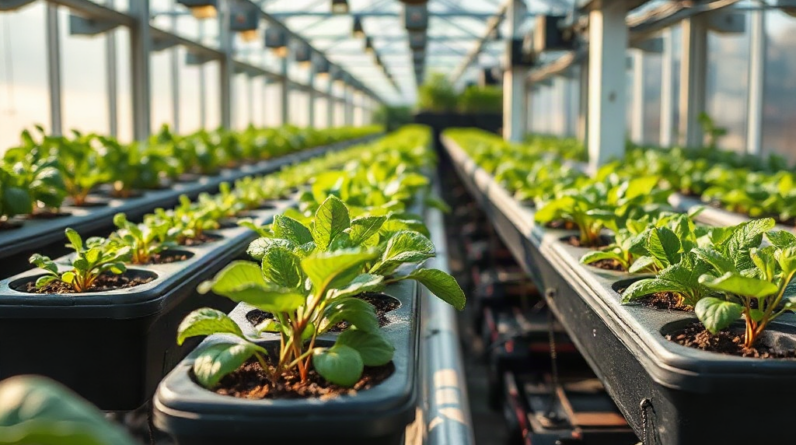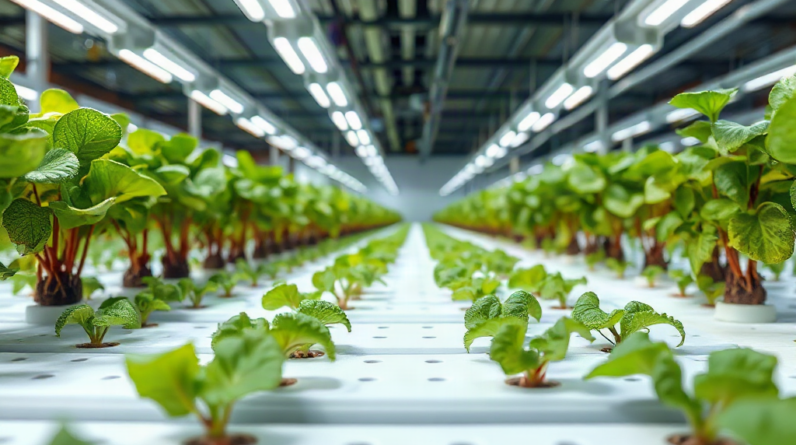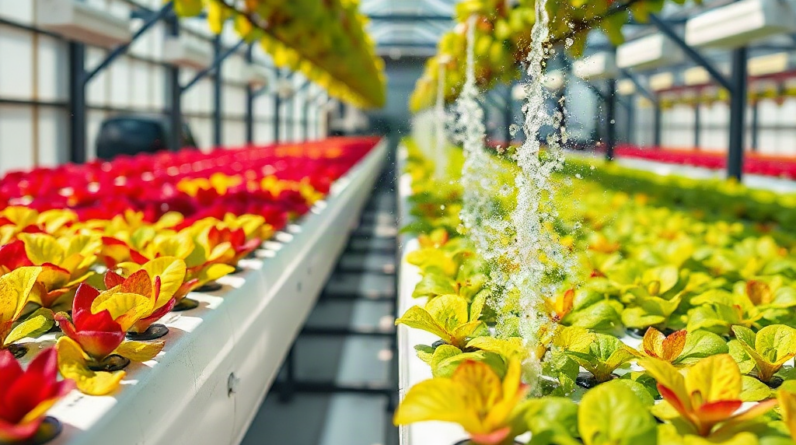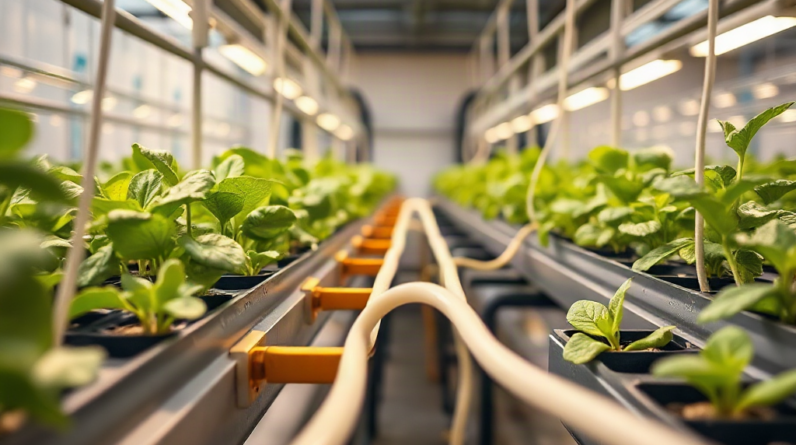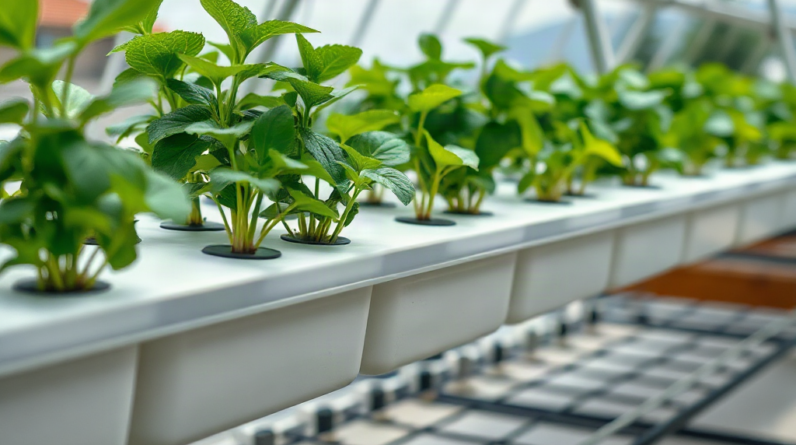
A hydroponic garden with fish, commonly known as aquaponics, combines fish farming with plant cultivation in a symbiotic environment. In this setup, fish waste serves as a natural fertilizer for the plants, while the plants help filter and clean the water for the fish. This method not only maximizes space but also promotes sustainable food production by reducing the need for chemical fertilizers.
One of the main advantages of this integrated system is its efficiency. By utilizing the natural waste produced by fish, you can grow plants without the need for soil, which often contains pests and diseases. However, achieving a successful balance between fish and plant species is critical. Common fish used include tilapia and goldfish, while popular plants include lettuce, herbs, and tomatoes. Each species has its specific needs for water quality, pH levels, and nutrient availability, which must be monitored regularly.
Benefits of Hydroponic Gardens with Fish
Hydroponic gardens with fish offer numerous benefits, including resource efficiency, space maximization, and sustainable food production. By using fish waste as a nutrient source, these systems create a closed-loop environment that minimizes the need for external fertilizers. This not only reduces costs but also decreases environmental impact.
Additionally, aquaponics systems can yield crops faster than traditional gardening methods due to the controlled environment. Plants receive a consistent supply of nutrients and water, leading to quicker growth rates and higher productivity. Furthermore, integrating fish farming allows for diverse food production, providing both vegetables and protein sources.
Setting Up Your Aquaponic System
To establish a hydroponic garden with fish, begin by selecting an appropriate location with ample sunlight and access to water. Next, choose the right fish and plant species that can thrive together. A common approach is to start with a small tank and a few plants to test the system’s balance before scaling up.
Consider using a media-based system, where plants grow in a substrate that supports their roots while allowing water to flow through. This setup helps maintain the necessary aeration for the plant roots while providing stability. Regular testing of water parameters such as pH, ammonia, and nitrate levels is essential to ensure both fish and plants thrive in harmony.
Common Mistakes to Avoid
One of the most significant mistakes in hydroponic systems with fish is neglecting water quality management. Fish are sensitive to changes in their environment, and poor water conditions can lead to stress or disease. Ensure that you monitor ammonia levels, pH, and temperature regularly.
Another common pitfall is overstocking the fish tank. Too many fish can produce excessive waste, leading to spikes in ammonia levels that can harm both fish and plants. Always adhere to recommended stocking densities and gradually increase the fish population as your system stabilizes.
Maintaining Your Hydroponic Garden with Fish
Maintaining a hydroponic garden with fish requires regular monitoring and adjustments. Feed the fish a balanced diet appropriate for their species and avoid overfeeding, which can pollute the water. Additionally, routinely check and clean filters and pumps to ensure efficient water circulation.
Pay attention to plant health as well; signs of nutrient deficiencies or diseases should be addressed promptly. Rotate crops and practice good sanitation to prevent the spread of pests and diseases within your system. With proper care, your aquaponics garden can thrive, providing fresh produce and fish for your table.
Frequently Asked Questions
What types of fish are best for aquaponics?
Tilapia, goldfish, and catfish are popular choices due to their hardiness and adaptability to aquaponic systems.
How often should I feed the fish in my hydroponic garden?
Feed your fish once or twice a day, providing only what they can consume in a few minutes to prevent overfeeding.
Can I grow any plant in an aquaponic system?
While many plants can thrive in aquaponics, leafy greens, herbs, and some fruiting plants like tomatoes and peppers are particularly suitable.
What is the ideal pH level for an aquaponics system?
The ideal pH range for an aquaponics system is typically between 6.8 and 7.2, which is suitable for both fish and plants.
How can I prevent pests in my hydroponic garden?
Implementing good sanitation practices, regular monitoring, and introducing beneficial insects can help manage pests effectively.
Conclusion
Creating a hydroponic garden with fish is not only a sustainable way to produce food but also an exciting venture that combines aquaculture and hydroponics. By understanding the symbiotic relationship between fish and plants, you can optimize your system for maximum yield. Focus on maintaining water quality, selecting compatible species, and monitoring your setup regularly. With dedication and care, your aquaponics garden can provide a continuous supply of fresh produce and fish, enhancing your self-sufficiency and reducing your environmental footprint.