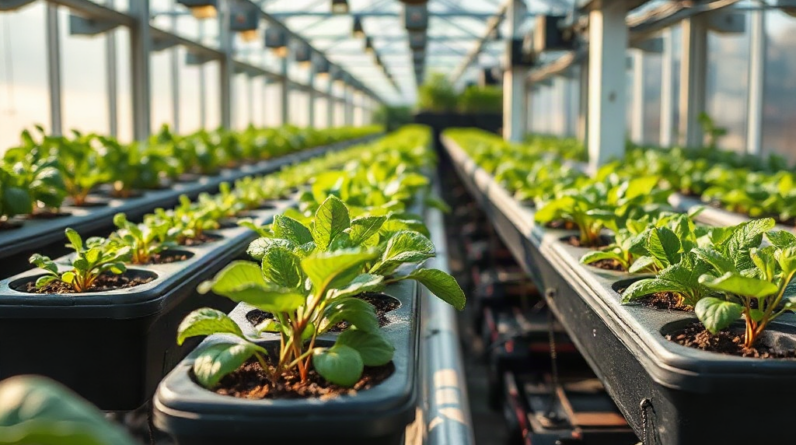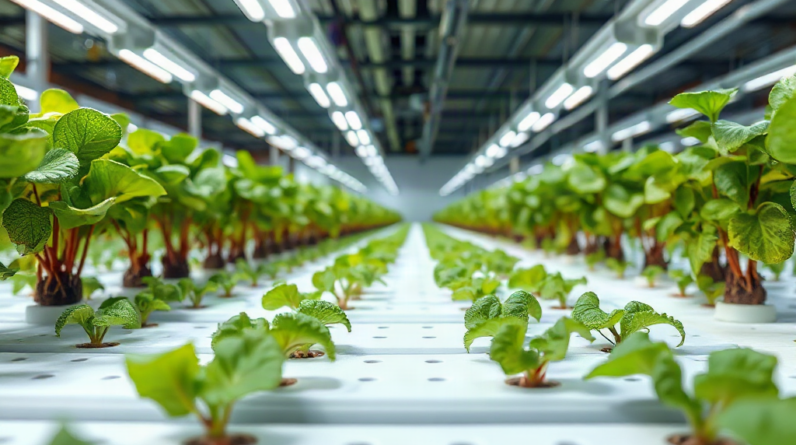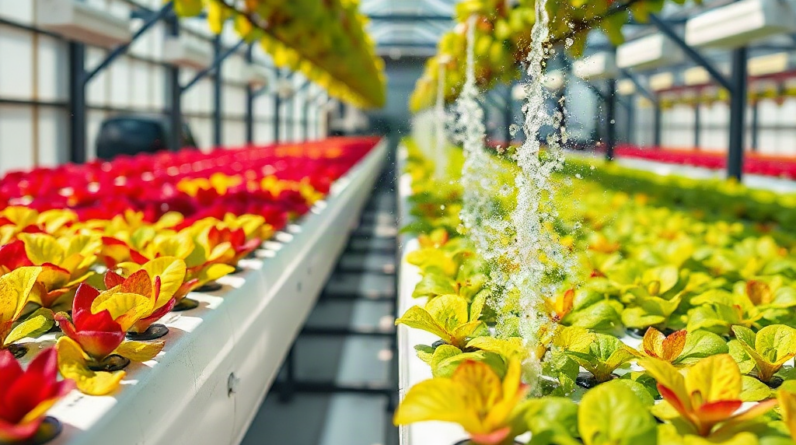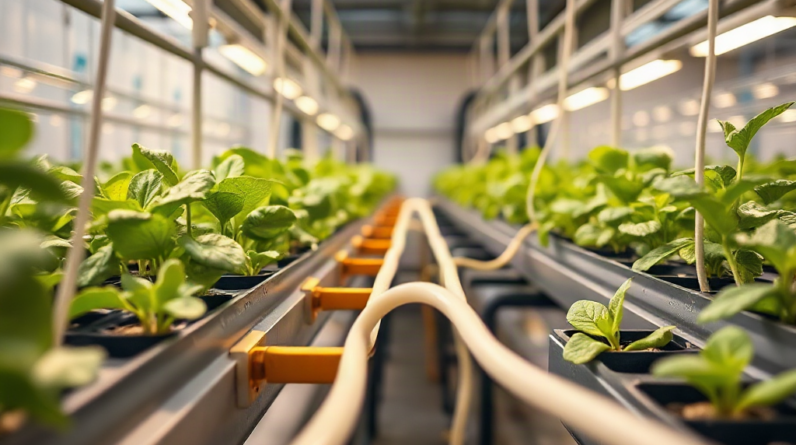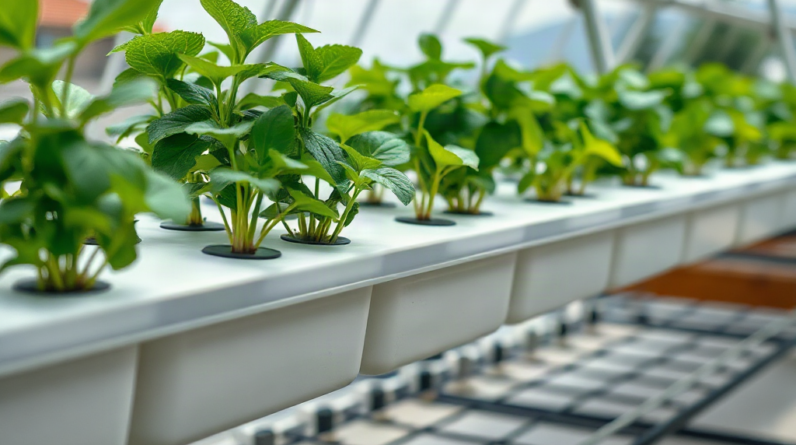
A hydroponic irrigation system is an innovative approach to growing plants without soil, utilizing nutrient-rich water as the primary medium for delivering essential nutrients directly to the roots. This system typically consists of several key components: a water reservoir, a pump for circulation, and a delivery system that ensures even distribution of the nutrient solution. By optimizing these elements, growers can create an ideal environment for plant growth, maximizing yield and health.
Understanding the mechanics of a hydroponic irrigation system is vital for anyone looking to adopt this method of gardening. One common mistake is neglecting the importance of water quality and nutrient balance, which can lead to deficiencies or toxicities that affect plant health. Growers should also consider the specific needs of their plants, as different species may require varying levels of moisture and nutrients.
Moreover, regular maintenance of the irrigation system is essential to prevent clogs and ensure reliable operation. Checking the pump, cleaning the reservoir, and monitoring the pH and EC levels of the nutrient solution are all vital practices. By prioritizing these aspects, one can avoid common pitfalls and foster a thriving hydroponic garden.
Understanding Hydroponic Systems
Hydroponic systems eliminate the need for soil by delivering nutrients through water. This method allows for greater control over nutrient levels and pH, enabling optimized growth conditions for various plants. The absence of soil also minimizes the risk of soil-borne diseases, making it a cleaner alternative for urban gardening.
When using hydroponics, it’s essential to understand the different types of systems available, including deep water culture, nutrient film technique, and aeroponics. Each type has its advantages and disadvantages, depending on the scale of production and the types of plants being cultivated. Choosing the right system is critical for achieving the desired results.
Essential Components of Hydroponic Irrigation
The key components of a hydroponic irrigation system include a water reservoir, a pump, and a delivery mechanism such as tubing or drip emitters. The water reservoir holds the nutrient solution, while the pump circulates this solution to the plants. Properly designed delivery systems ensure that each plant receives the necessary amount of nutrients and water.
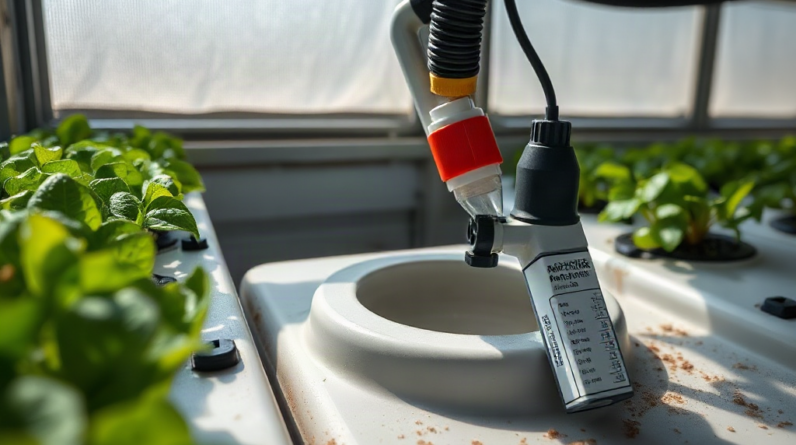
In addition to these components, monitoring equipment such as pH meters and EC (electrical conductivity) meters are crucial for maintaining the health of the system. Regular testing of the nutrient solution helps prevent issues related to nutrient imbalance, which can significantly affect plant growth and yield.
Common Mistakes in Hydroponic Systems
One of the most frequent mistakes in hydroponic gardening is failing to monitor water quality. Impurities in the water can lead to nutrient lockout or harmful algae growth. Additionally, over-fertilizing is a common error that can damage plants and reduce yields.
Another pitfall is neglecting to maintain the irrigation system. Clogs in the delivery system can disrupt water flow, leading to uneven growth. Regular checks and maintenance of the pump and tubing are essential to ensure optimal function.
Frequently Asked Questions
What is a hydroponic irrigation system?
A hydroponic irrigation system is a method of growing plants without soil, using nutrient-rich water to deliver essential nutrients directly to plant roots.
What are the main components of a hydroponic system?
The main components include a water reservoir, a pump for circulation, and a delivery system like tubing or drip emitters to distribute the nutrient solution.
How do I prevent clogs in my hydroponic system?
Regular maintenance, including cleaning the pump and tubing, is essential to prevent clogs and ensure proper water flow in the system.
What are the benefits of hydroponic gardening?
Hydroponic gardening allows for faster plant growth, reduced risk of soil-borne diseases, and more efficient use of water and nutrients compared to traditional soil gardening.
Can I use tap water for hydroponics?
While tap water can be used, it’s important to test its pH and nutrient levels, as impurities can affect plant health and growth.
Further Reading
Authoritative Sources
- Hydroponic Setup 101: Easy Guide for New Indoor Growers
hydroponicstown.comEssential Components You Need in Every Hydroponic System · Growing Container/Reservoir: A light-proof vessel for storing the nutrition solution.
- Hydroponic Systems : Greenhouse & Floriculture
umass.eduThis technique for growing almost any type of plant consists of a deep bed (18 -24 inches) of sand, pea stone or trap rock placed in a plastic lined trough or ...
- The 4 Most Popular Types of Hydroponic Grow System
puregreensaz.comTypes of Hydroponic Grow Systems · 1. Wick System · 2. Deep Flow Technique (DFT) · 3. Nutrient Film Technique (NFT) · 4. Ebb and Flow (Flood and Drain).
- A Beginner's Guide to Hydroponic Farming
lancasterfarmlandtrust.orgThe drip system is the most common hydroponic technique. Small emitters like tubes drip the nutrient solution directly into the plant's soil.
Conclusion
In conclusion, a hydroponic irrigation system can be a highly effective method for growing plants, provided that its components are understood and maintained properly. Prioritizing water quality, monitoring nutrient levels, and ensuring consistent water delivery will lead to healthier plants and higher yields. As you embark on your hydroponic gardening journey, remember that continuous learning and adaptation are key to success.