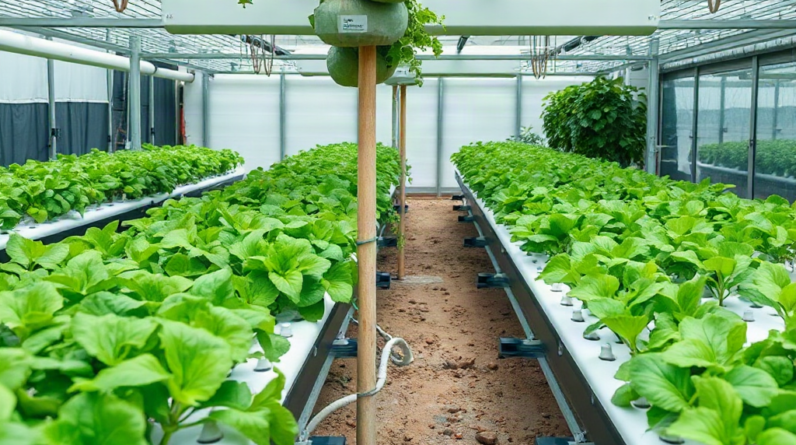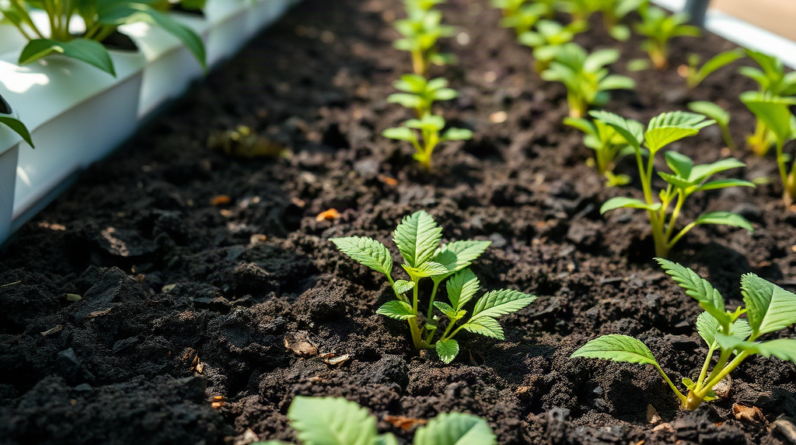
Replace contaminated hydroponic media when it carries persistent root-rot odor, slimy growth, visible mold, pest residue, or plant disease that remains after the affected crop is removed. Media that has been saturated with infected roots, stagnant nutrient solution, or decomposing organic matter can transfer problems to a new plant, especially when it is difficult to clean completely. Discard porous materials such as coco coir, rockwool, and peat-based plugs when contamination is extensive; cleanable inert media such as clay pebbles may sometimes be sanitized and reused. Isolate the affected plant, remove debris, disinfect reusable components, and correct the moisture, airflow, temperature, or sanitation problem that caused the contamination.
How Contamination Changes the Replacement Decision
Contaminated growing media is not automatically unusable, but its structure and material determine whether cleaning is realistic. Clay pebbles, washed gravel, and some plastic support materials have hard surfaces that can be rinsed and disinfected. Coco coir, rockwool, peat plugs, and other porous products hold water, fine roots, salts, and organic residue inside their spaces. Those materials are much harder to restore reliably after a serious contamination event.
The first distinction is between a minor, removable problem and a material that has become a reservoir. A few algae patches on the exposed surface may reflect light exposure and excess moisture rather than a deep infection. By contrast, a sour smell, brown slime around roots, collapsed root tissue, or spreading fungal growth suggests that the media has remained wet while oxygen availability fell. Simply removing the visible layer may leave contaminated particles around the root zone.
Replacement becomes the safer choice when the media has contacted diseased roots and the crop is valuable, the system will be replanted immediately, or the material cannot be separated from debris. Reusing a cheap handful of porous media may save money today but create another failed planting and additional cleaning work. A small indoor system also deserves attention to air movement and household hygiene because spores, algae, and contaminated water can spread onto trays, tools, reservoirs, and nearby plants.
Do not confuse mineral nutrient deposits with biological contamination. White crusts may be dried salts, while green film usually indicates algae supported by light and moisture. Both can affect water movement, but they call for different responses. Salts may be rinsed from suitable media; strong odor and decaying organic matter call for isolation and closer consideration of replacement. The broader decision described in When to replace contaminated hydroponic media should be based on material, severity, and the likelihood that the problem will return.
Signs That Media Should Be Discarded
Persistent odor is one of the most useful early warning signs. Healthy hydroponic media may smell earthy, neutral, or slightly mineral-like, but a sewage-like, sour, or rotting odor points to decomposing roots or low-oxygen conditions. Odor alone does not identify a particular pathogen, yet it does indicate that rinsing the surface may not address the underlying problem.
Visible contamination deserves a closer inspection rather than an automatic diagnosis. White fuzzy growth can be mold, while a pale mineral crust may only be fertilizer residue. Green or brown slick material may be algae or organic buildup. Look beneath the surface, around net-pot openings, and where the media touches the stem. If the material contains darkened root fragments, slimy particles, or a smell that returns after washing, discard porous media rather than placing it around a new plant.
Replacement is especially appropriate in these situations:
- The media is saturated with rotting roots or decomposed plant tissue.
- A plant with suspected root disease has occupied the container, and the media is porous or difficult to clean.
- Mold, slime, or pest residue returns after thorough rinsing and drying.
- The material has broken down, compacted, or lost the air spaces needed by roots.
- Several plants in the same batch show similar symptoms, suggesting shared media or irrigation contamination.
A common mistake is saving contaminated media because the plant’s leaves look healthy. Root problems can develop before foliage changes become obvious, particularly when nutrient solution is moving intermittently. The reverse mistake is throwing away all media after seeing a small surface patch of algae. If the roots are clean, the material remains structurally sound, and the issue is limited to light exposure, washing, drying, and correcting the setup may be sufficient.
Consider the replacement cost against the consequence of delay. A new rockwool cube or coir plug is usually less expensive than losing a mature crop, but replacing a large volume of clay pebbles may be wasteful if they can be cleaned properly. The decision should reflect contamination depth, not just how unpleasant the material looks.
When Sanitizing Reusable Media Is Reasonable
Hard, inert media can often be reused when contamination is limited and the material has not absorbed decomposing organic matter. Clay pebbles are a practical example: their irregular surfaces can trap residue, but they can also be emptied from a container, rinsed repeatedly, inspected, and sanitized before drying. Clean gravel and certain reusable supports may receive similar treatment if they remain intact and do not retain odor.
Begin by separating the affected media from healthy stock. Do not pour questionable material into a common bucket or rinse it over clean trays. Remove roots and plant debris, then wash until loose particles and fertilizer residue are gone. A disinfectant suitable for the material and growing setup can then be used according to its product label. Rinsing afterward may be necessary, and the media should dry fully before storage or reuse. Never mix cleaning chemicals, and do not return residual disinfectant to a nutrient reservoir.
Sanitizing is less convincing for absorbent products. Rockwool and coir can retain moisture and fine organic particles below the surface, so a clean-looking exterior does not prove that the interior is clean. Reusing a lightly salted but otherwise unused coir product is a different situation from reusing coir that held brown, decaying roots. The former may need preparation; the latter is usually a poor candidate for a fresh crop.
Use a simple decision test: can every surface be reached, can all debris be removed, does the material retain its original structure, and does it remain odor-free after cleaning and drying? If any answer is no, replacement is more defensible. A grower using a recirculating system should be more conservative than someone using an isolated container because a failed cleaning job can distribute contaminants through pumps, tubing, and return lines.
Sanitizing also does not correct the cause. Media reused after an algae problem may become green again if light reaches wet surfaces. Media placed in a constantly saturated container may develop root-zone problems again even after disinfection. Cleaning addresses the material; drainage, irrigation timing, reservoir temperature, airflow, and plant spacing determine whether the same conditions persist.
A Safe Removal And Reset Process
Remove contaminated media only after isolating the affected plant and preventing runoff from reaching healthy containers. Wear gloves, place the material in a sealed bag if it will be discarded, and avoid shaking dry debris into the growing area. The goal is to remove the possible source without scattering residue across fans, shelves, or neighboring plants.
Inspect the roots and container before deciding what stays. Trim away dead plant tissue with clean tools, but do not treat trimming as proof that the remaining media is safe. Empty the container completely, wash the vessel, and pay attention to corners, net-pot slots, air stones, drain fittings, and seams where biofilm can remain. Replace any filter or porous liner that cannot be cleaned thoroughly.
A practical reset sequence is:
- Move the affected plant away from the rest of the crop.
- Bag discarded porous media and remove it from the work area.
- Rinse reusable inert media separately from clean supplies.
- Clean and disinfect the container, tools, plumbing surfaces, and nearby work area using products as labeled.
- Refill with fresh media or fully cleaned, dry reusable material.
- Restart with fresh solution and observe the new planting rather than assuming the problem is solved.
Fresh nutrient solution is useful only when the reservoir and delivery path are also clean. If a pump intake contains root fragments or tubing has a slippery film, new media can become contaminated again. A reset may therefore require more labor than replacing the media itself. This is where keeping affected equipment separate from clean equipment has a practical payoff.
After replanting, watch for returning odor, persistent wetness, cloudy runoff, stem-base discoloration, or roots that stop producing firm pale growth. Those signs indicate that the reset has not corrected the root-zone environment. Avoid adding stronger nutrients or random biological products as a substitute for sanitation; chemical strength does not compensate for poor oxygen exchange or decaying material.
Preventing Repeat Contamination
Prevention starts with managing moisture and exposure rather than waiting for visible mold. Media should receive the irrigation pattern appropriate to its water-holding capacity. A small rockwool cube and a basket of expanded clay do not dry at the same rate, so copying the same schedule across both can leave one crop chronically saturated. Drainage openings must remain clear, and containers should not sit in stagnant runoff.
Light reaching wet nutrient solution encourages algae, particularly around uncovered net pots and translucent reservoirs. Opaque covers, closed gaps, and clean reservoir lids reduce that opportunity. Air movement helps surfaces dry, but a fan should not blow contaminated dust from an isolated plant across the entire grow area. Place airflow to support the healthy crop while maintaining separation during a suspected contamination event.
Sanitation habits matter between plantings. Wash hands before handling clean plugs, keep pruning tools clean, store unused media off the floor, and never return runoff from a questionable container to a shared reservoir. Labeling batches of reusable clay pebbles can also prevent accidentally combining material from a diseased crop with clean stock.
Record what happened before restarting: the media type, irrigation frequency, reservoir condition, root appearance, room temperature, and the point where symptoms appeared. A crop that failed only in one poorly drained container suggests a local setup issue; matching symptoms across every plant suggests a shared water path or environmental problem. That distinction helps determine whether replacing media alone is enough.
Use replacement as a targeted risk-control decision, not a routine calendar task. Porous media with deep contamination should leave the system, while sound inert media may justify careful cleaning. The best outcome comes from pairing that choice with corrected moisture management, protected reservoirs, clean tools, and observation during the first days of the next planting.
Frequently Asked Questions
Can contaminated hydroponic media be reused?
Clean, hard, inert media may be reused after debris removal, thorough washing, appropriate disinfection, and complete drying. Porous media containing rotting roots or persistent odor is usually better discarded.
Should I replace media after seeing green algae?
Not always. If algae is limited to an exposed surface and roots are healthy, remove the growth, clean the area, block light, and correct excess moisture. Replace the media if slime or odor extends through it.
How do I know whether white growth is mold or fertilizer salt?
Fertilizer salts are usually hard or crusty and may dissolve when rinsed. Mold is more likely to look fuzzy or spread across organic residue. When uncertain, inspect for odor, root decay, and recurrence after cleaning.
Is replacing the media enough to stop root problems?
No. Clean the container, reservoir, tubing, tools, and other affected surfaces, then correct saturation, poor drainage, warm solution, or inadequate airflow. Otherwise fresh media may be contaminated again.
Can infected roots be composted with discarded media?
Follow local composting guidance, but avoid placing questionable roots or contaminated media in a household compost pile that may not reach conditions suitable for breaking down plant pathogens. Bagging and disposal may be more practical.
Further Reading
Authoritative Sources
- Hydroponics
extension.umn.eduUniversity extension information on hydroponic growing conditions, sanitation, and system management
- Hydroponics
extension.okstate.eduProvides practical background on soilless media, nutrient delivery, and environmental management
Conclusion
Media should be replaced when contamination has penetrated porous material, left a persistent rotten odor, mixed with decaying roots, or returned after cleaning. Hard inert media deserves a separate judgment: it may be worth washing, disinfecting, inspecting, and drying rather than discarding. Isolate the affected crop first, keep suspect rinse water away from clean equipment, and clean the container and circulation path before planting again. The reset will hold only if the original conditions are corrected, whether that means reducing saturation, blocking light from the reservoir, improving drainage, or separating a contaminated crop. Treat replacement as one part of a sanitation decision, and use the first days after replanting to confirm that odor, root appearance, and moisture behavior are moving in the right direction.
Related Content
- How To Avoid Nutrient Deficiencies In Seedlings With Early Feeding, pH Checks, And Root-Zone Control
- 8Pods Plant Germination Kit Review
- Indoor Hydroponic Greenhouse: Essential Methods for Maximizing Yield and Efficiency
- How to Grow Hydroponic Carrots with Perfect Texture
- Understanding the Science of Hydroponic Farming