However, diving into hydroponics without understanding the nuances can lead to frustration and wasted resources. Many first-time indoor gardeners underestimate the importance of factors such as light, nutrients, and water quality. They may also overlook the specific needs of the plants they wish to grow, leading to poor results. Moreover, the initial investment can vary widely based on the features and size of the kit, which means it’s essential to prioritize your requirements based on your skill level, budget, and available space.
Choosing the right indoor hydroponic grow kit requires careful consideration of your goals and environment. If you’re a beginner, a simple kit might suffice, but if you have specific plants in mind or intend to scale up, investing in a more advanced system could pay off in the long run. Understanding these dynamics will empower you to make informed decisions that align with your gardening aspirations.
Understanding Hydroponics
Hydroponics is a method of growing plants without soil, using a water-based nutrient solution instead. This technique allows for efficient nutrient uptake, leading to faster plant growth and reduced water usage. One of the primary advantages of hydroponics is the ability to control the growing environment, which can result in higher yields and fewer pests compared to traditional gardening.
However, it’s crucial to recognize that hydroponics isn’t a one-size-fits-all solution. Factors such as the type of hydroponic system (e.g., deep water culture, nutrient film technique, or aeroponics) and the specific plants you wish to grow will influence your success. Misunderstanding these elements can lead to challenges like inadequate nutrient delivery or environmental stress on plants. Thus, a clear understanding of how hydroponics works and what system suits your needs is essential for maximizing your harvest.
Key Components of a Grow Kit
An indoor hydroponic grow kit typically includes several critical components, such as a growing chamber, a reservoir for the nutrient solution, a pump for water circulation, and a lighting system. Some kits may also come with grow media like clay pellets or rock wool to support the plant roots. Understanding each component’s role helps you troubleshoot issues and optimize growth.
When selecting a grow kit, consider your available space and the number of plants you plan to grow. A compact kit might be ideal for small apartments, while larger setups can accommodate more extensive gardens. Additionally, pay attention to the lighting system; LED lights are energy-efficient and provide the spectrum needed for healthy plant growth. However, they can be pricier upfront, so weigh these costs against your budget and growth goals.
Common Pitfalls to Avoid
Even with the best intentions, many new hydroponic growers face common pitfalls that can hinder their success. One frequent mistake is neglecting to monitor pH and nutrient levels in the water, which can lead to nutrient deficiencies or toxicities. Inconsistent light exposure is another common issue; without adequate light, plants may become leggy or fail to thrive.
Additionally, many novice gardeners assume all plants will thrive in a hydroponic system. While leafy greens and herbs are typically forgiving, fruits and more delicate plants may require specific conditions that are challenging to maintain indoors. Recognizing these potential pitfalls and preparing accordingly can save you time and resources in your indoor gardening journey.
Choosing the Right Kit for Your Needs
When selecting an indoor hydroponic grow kit, it’s essential to align the choice with your specific needs and circumstances. Consider factors such as your budget, the types of plants you wish to grow, and your level of experience. For beginners, a simple kit that includes all necessary components and clear instructions may be ideal. On the other hand, experienced growers might benefit from more advanced systems that allow for greater customization and scalability.
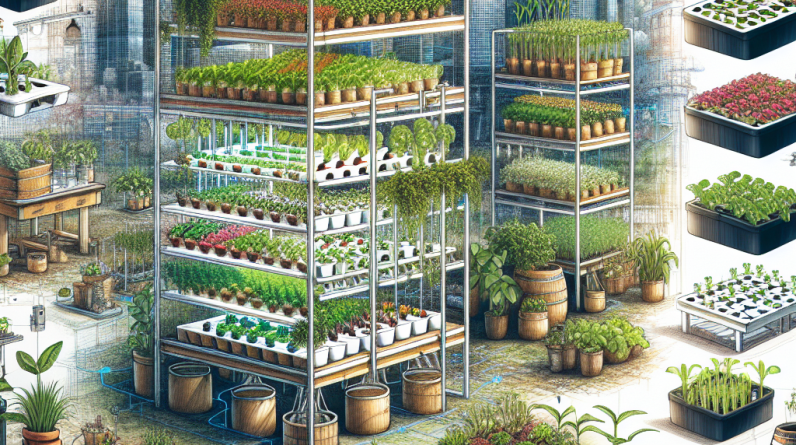
Additionally, think about your living situation. If you have limited space, opt for vertical systems or compact kits designed for small areas. If your goal is to grow a large quantity of produce, invest in a more comprehensive setup that can accommodate multiple plants simultaneously. Balancing these factors will guide you in making a choice that fits both your lifestyle and your gardening ambitions.
Further Reading
Related Resources
- Compact Hydroponic Grow Kit: Essentials for Thriving Indoor Gardens
- Grow Hydroponically Without Sunlight: Effective Methods for Indoor Plant Cultivation
- Home Hydroponic Gardening Ideas: Practical Methods for Growing Fresh Produce Indoors
- Hydroponic Growing Tent: Essential Equipment and Setup Steps for Thriving Indoor Gardens
Frequently Asked Questions
What is an indoor hydroponic grow kit?
An indoor hydroponic grow kit is a system designed for growing plants without soil, using nutrient-rich water in a controlled environment.
Can I grow any plants with a hydroponic kit?
While many plants can be grown hydroponically, leafy greens and herbs are the most straightforward for beginners. Fruits and larger plants may require more advanced setups.
How much space do I need for an indoor hydroponic system?
The space required depends on the type of kit you choose. Compact systems can fit on countertops, while larger kits may need dedicated spaces or rooms.
How often do I need to change the nutrient solution?
Nutrient solutions should typically be changed every two to three weeks, but monitoring pH and nutrient levels can help determine the best schedule for your plants.
Are hydroponic systems expensive to maintain?
Initial costs can be high depending on the system chosen, but ongoing costs are often lower than traditional gardening due to reduced water and fertilizer use.
Conclusion
Maximizing your harvest with an indoor hydroponic grow kit requires understanding the specific needs of your plants and the components of your system. Prioritize your objectives, be mindful of common pitfalls, and invest in a kit that aligns with your experience level and available space. By making informed decisions from the outset, you can enjoy the rewards of fresh produce all year round, tailored to your preferences and lifestyle.