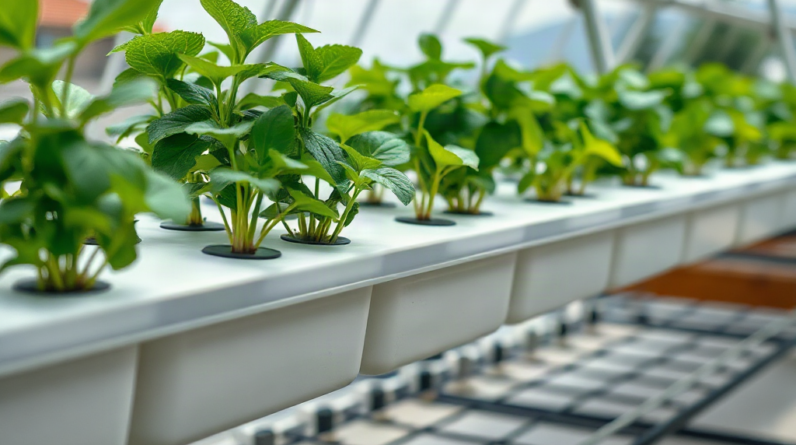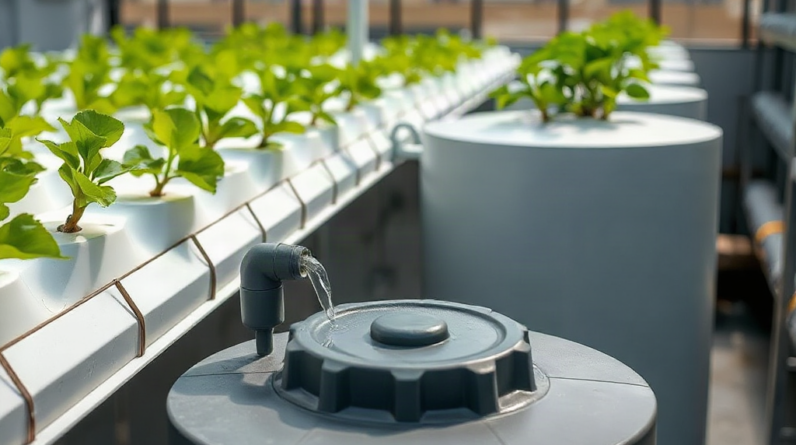
A hydroponic plant nutrient mix is vital for fostering healthy plant growth in systems that do not use soil. This mix typically consists of essential elements like nitrogen, phosphorus, potassium, calcium, magnesium, and trace minerals, all of which are crucial for various plant functions. Each nutrient plays a specific role: nitrogen supports leaf growth, phosphorus is essential for root development, and potassium aids in overall plant health and productivity.
Understanding the specific needs of your plants is critical when preparing a hydroponic nutrient solution. Different plant species and growth stages require varying nutrient concentrations. For instance, leafy greens may thrive on a nutrient mix higher in nitrogen, while fruiting plants often need more potassium. Regular monitoring of the nutrient solution’s pH and electrical conductivity (EC) is also essential to ensure that plants can absorb nutrients effectively.
Understanding Nutrient Components
Each component of a hydroponic plant nutrient mix serves a distinct purpose. For example, nitrogen is crucial for leaf and stem growth, while phosphorus promotes root development and flowering. Potassium enhances overall plant health, helping plants cope with stress and improving fruit quality. Secondary nutrients like calcium and magnesium also play important roles in plant metabolism.
It’s important to note that deficiencies or excesses of these nutrients can lead to various growth issues, such as stunted growth or leaf discoloration. Therefore, understanding the function of each nutrient helps in adjusting the mix according to the specific needs of your plants. Regular testing of your nutrient solution can help detect imbalances before they affect plant health.
Mixing Your Nutrient Solution
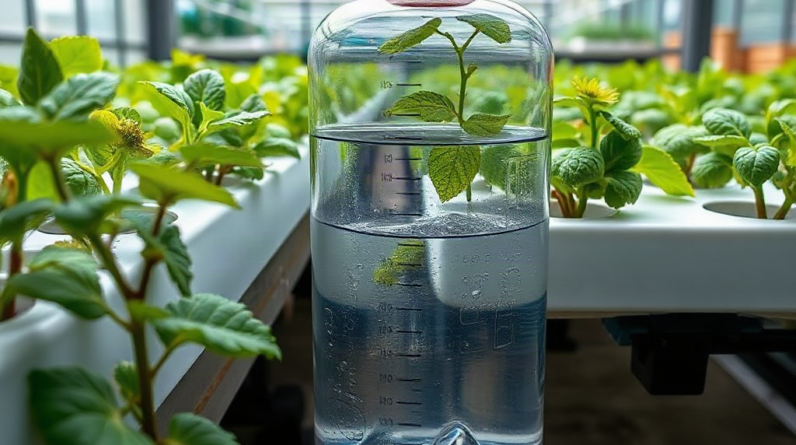
Creating a hydroponic nutrient solution involves mixing water with concentrated nutrient solutions or powders. The ratio of nutrients will depend on the type of plants being grown and their growth stage. It is essential to follow the manufacturer’s instructions on dilution rates for the best results.
When mixing your nutrient solution, always add the nutrients to water, not the other way around, to ensure proper solubility. Additionally, using distilled or reverse osmosis water can help avoid unwanted minerals that could interfere with nutrient absorption. Monitoring the pH level of the solution is also crucial, as most plants prefer a pH range of 5.5 to 6.5 for optimal nutrient uptake.
Common Mistakes in Nutrient Management
One of the most common mistakes in hydroponic gardening is over-fertilizing. Adding too many nutrients can lead to nutrient burn, which stunts growth and damages plants. It’s important to start with a lower concentration and gradually increase it based on plant response.
Another frequent error is neglecting to test the nutrient solution regularly. Without proper monitoring of pH and EC, plants can suffer from nutrient deficiencies or toxicities. Establishing a routine for testing and adjusting your nutrient mix can prevent these issues and promote healthier plant growth.
Adapting Nutrients for Different Plants
Different plants have varying nutrient requirements. For instance, leafy greens often benefit from a nutrient mix higher in nitrogen, while flowering and fruiting plants require more phosphorus and potassium. Researching the specific needs of your plants can help tailor your nutrient solution for optimal growth.
As plants mature, their nutrient needs will change. For example, during the vegetative stage, a higher nitrogen mix is beneficial, while the flowering stage requires a shift to a phosphorus and potassium-rich mix. Adjusting your nutrient solution accordingly can significantly impact yield and plant health.
For those looking to dive deeper into hydroponic nutrients, consider exploring official agricultural extension services or reputable hydroponic gardening books. Many resources offer in-depth insights into nutrient management tailored to specific plant types and growing conditions.
Frequently Asked Questions
What is a hydroponic plant nutrient mix?
A hydroponic plant nutrient mix is a formulated blend of essential nutrients designed to support plant growth in soil-less systems.
How often should I change my nutrient solution?
It’s recommended to change your nutrient solution every 1-2 weeks to prevent nutrient imbalances and ensure optimal plant health.
Can I use regular fertilizer in hydroponics?
No, regular fertilizers are not suitable for hydroponics as they may contain insoluble materials that can clog systems. Use specifically formulated hydroponic nutrients.
What pH level is best for hydroponic nutrient solutions?
The ideal pH level for hydroponic nutrient solutions is typically between 5.5 and 6.5 for optimal nutrient absorption.
How can I tell if my plants need more nutrients?
Signs of nutrient deficiency include yellowing leaves, poor growth, and leaf drop. Regular monitoring and testing can help identify these issues early.
Conclusion
In summary, creating a balanced hydroponic plant nutrient mix is crucial for achieving optimal growth in a soil-less environment. Understanding the role of each nutrient and how to tailor your mix to specific plant needs will lead to healthier, more productive plants. Regular monitoring and adjustments based on plant response are essential practices that will help ensure a successful hydroponic gardening experience.