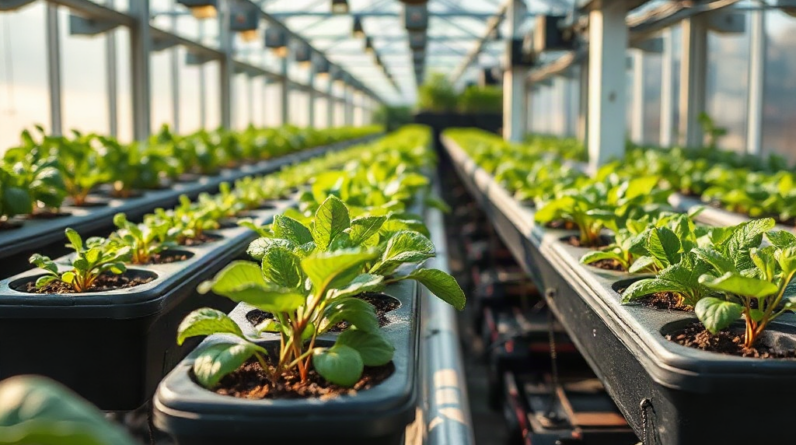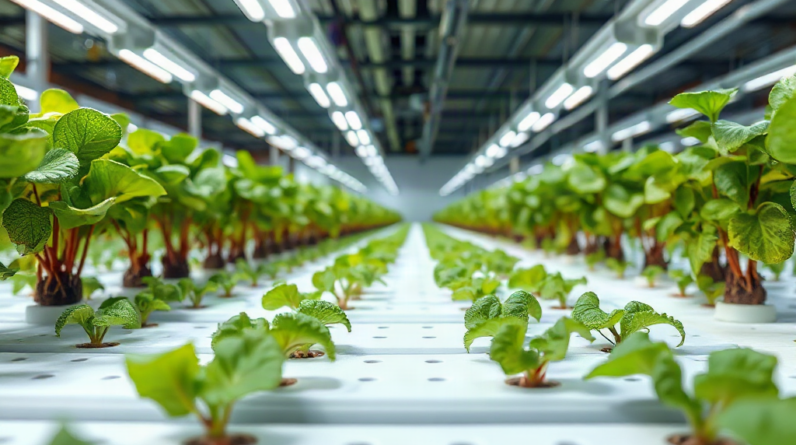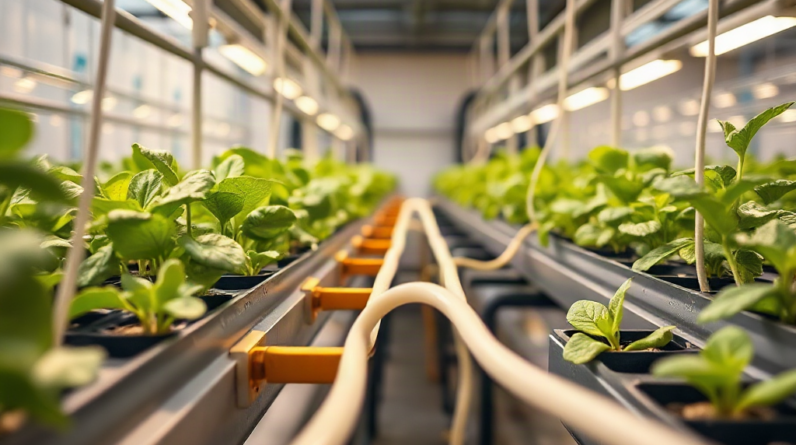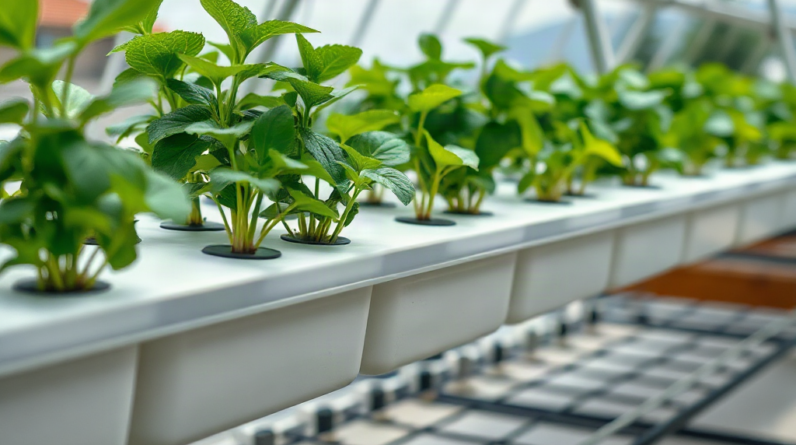
A hydroponic grow light setup involves using artificial lighting to optimize plant growth in a soil-less environment. Selecting the right type of lights, such as LED or fluorescent, and positioning them correctly ensures adequate coverage and intensity for your plants. Prioritizing light spectrum and duration is crucial for achieving healthy development, especially in indoor systems with limited natural light.
Understanding the specific light requirements of your plants is essential. Different plants have varying needs for light intensity and duration, which can significantly impact their growth and yield. For instance, leafy greens may thrive under lower light levels compared to fruiting plants that require more intense light. Mistakes in selecting the light type or failing to adjust the height of the lights can lead to inadequate growth or even damage to the plants.
When designing your hydroponic grow light setup, consider factors such as the size of your growing area, the specific plants you are cultivating, and energy efficiency. A well-planned setup not only promotes healthy plant growth but also helps manage energy costs effectively. Regularly monitoring the distance between the lights and the plants is important to avoid issues like light burn or insufficient lighting.
Choosing the Right Grow Lights
Choosing the right grow lights is critical for a successful hydroponic grow light setup. LED lights are popular due to their energy efficiency and long lifespan, while fluorescent lights are often used for seedlings and young plants. Each type has its pros and cons, so understanding your specific needs will guide your choice.
For example, while LEDs can be more expensive upfront, their longer lifespan and lower energy consumption can make them more cost-effective over time. On the other hand, fluorescent lights may require more frequent replacements and consume more energy in the long run. Evaluating the initial investment against potential savings is essential for making an informed decision.
Light Spectrum and Plant Needs
The light spectrum plays a vital role in plant growth. Plants primarily utilize blue light for vegetative growth and red light for flowering and fruiting stages. A balanced spectrum can enhance overall plant health and yield.
When setting up your hydroponic grow light system, consider using full-spectrum lights that provide a mix of both blue and red wavelengths. This approach caters to the needs of plants throughout their growth cycles. Failing to provide the appropriate light spectrum can lead to poor growth and reduced yields.
Positioning and Adjusting Lights
Proper positioning and adjustment of grow lights are crucial aspects of your hydroponic grow light setup. Lights should be placed at an optimal distance from the plants to ensure they receive adequate light without causing heat stress.
Regularly adjusting the height of the lights as plants grow is an essential practice. A common mistake is to set lights too high, resulting in insufficient light for the plants. Conversely, lights set too low can cause leaf burn. Monitoring plant responses and adjusting light positions accordingly can lead to healthier growth.
Energy Efficiency Considerations
Energy efficiency is an important factor in any hydroponic grow light setup. Using energy-efficient lights can significantly reduce electricity costs while maintaining optimal growing conditions for plants.
Consider investing in timers and light sensors to automate your lighting schedule. These tools can help minimize energy consumption by ensuring lights are only on when needed. Additionally, regularly inspecting your setup for any inefficiencies can help you achieve better energy savings over time.
Frequently Asked Questions
What type of grow lights are best for hydroponics?
LED grow lights are generally considered the best option due to their energy efficiency, long lifespan, and ability to provide a full spectrum of light.
How far should grow lights be from plants?
The distance varies by light type; typically, LED lights should be 12-24 inches away, while fluorescent lights can be 6-12 inches from the canopy.
How long should I keep grow lights on?
Most plants require 12-18 hours of light per day, depending on their growth stage; seedlings may need less, while flowering plants usually require more.
Can I use regular light bulbs for hydroponics?
Regular light bulbs are generally not suitable for hydroponics as they do not provide the necessary spectrum or intensity for optimal plant growth.
What are the signs of light burn in plants?
Signs of light burn include leaf curling, browning edges, and stunted growth; adjusting the distance of the lights can help alleviate these issues.
Conclusion
Setting up an effective hydroponic grow light system is vital for maximizing plant growth and yield. Prioritize selecting the right type of lights, understanding your plants’ spectrum needs, and ensuring proper positioning. Regularly monitoring and adjusting your setup will enhance energy efficiency and promote healthier plants. By focusing on these elements, you can create a thriving hydroponic environment that supports robust growth.