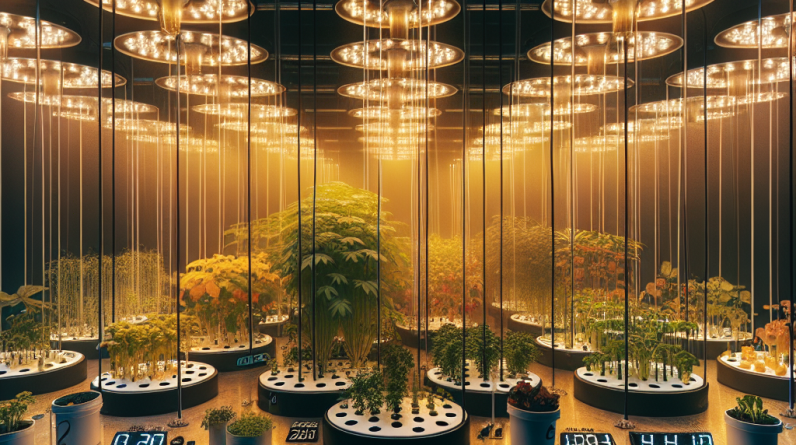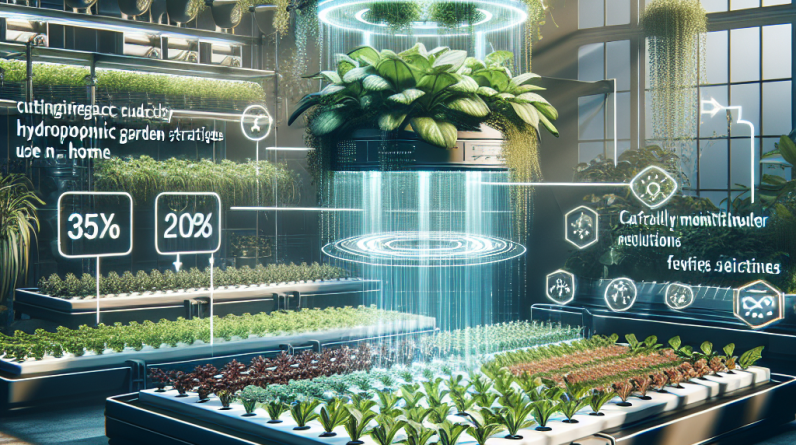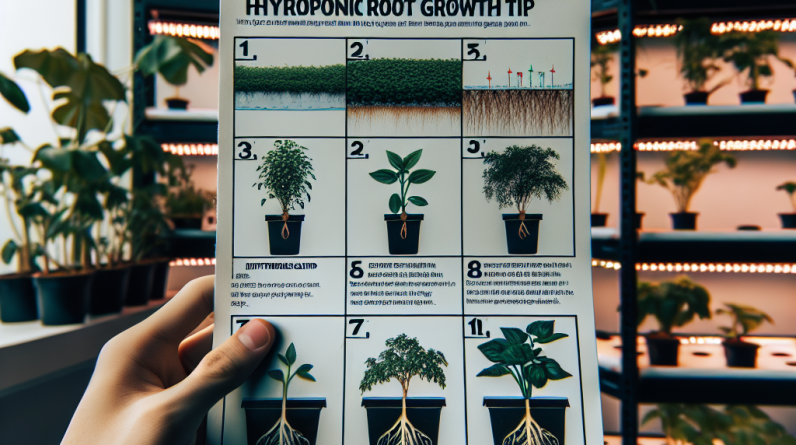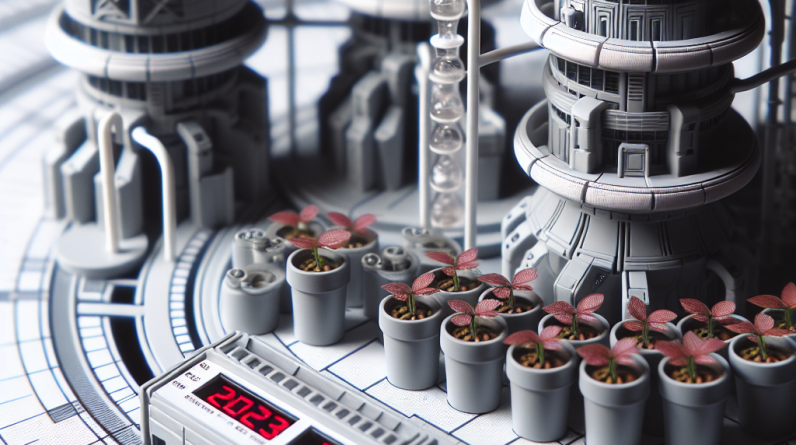
One of the key benefits of hydroponic seed starting is the ability to control the growing environment. Factors such as temperature, humidity, and light can be precisely managed, which reduces the risks associated with soil-based planting, such as pests and diseases. However, beginners often overlook the importance of maintaining a sterile environment, which can lead to problems like damping-off disease, a fungal issue that can kill seedlings. Therefore, ensuring cleanliness and proper ventilation is essential.
Choosing the Right Seeds
Selecting the appropriate seeds is critical for successful hydroponic seed starting. Not all plants adapt well to hydroponic systems, so focusing on varieties that thrive in these conditions can yield better results. Leafy greens, herbs, and some fruits are often recommended for beginners.
Additionally, consider the seed’s germination time and growth rate. Fast-growing varieties allow for quicker harvests, making them more satisfying for novice gardeners. Some common options include lettuce, basil, and spinach. It’s also advisable to choose high-quality, disease-free seeds to minimize the risk of introducing pathogens into your hydroponic system.
Setting Up Your Hydroponic System
To start hydroponic seed germination, you need a reliable system. Common setups include deep water culture, nutrient film technique, or aeroponics. Each system has its advantages, but deep water culture is often favored for beginners due to its simplicity.
Investing in a seedling tray and a quality nutrient solution is crucial. Ensure that the tray has good drainage to prevent waterlogging. Additionally, using a grow light can help provide the necessary light spectrum for seedling development, especially if natural light is insufficient.
Optimal Conditions for Germination
Creating the right environment is vital for germination success. Seeds need warmth, humidity, and light to sprout effectively. Most seeds germinate best at temperatures between 70°F to 75°F (21°C to 24°C).
Humidity levels should also be monitored; a humidity dome can help maintain moisture. Once seedlings emerge, gradually acclimate them to lower humidity to promote stronger growth. Proper lighting is essential, with many seedlings requiring around 12-16 hours of light daily for optimal development.
Common Mistakes in Hydroponic Seed Starting
Many beginners make mistakes that can hinder seedling success. Overwatering is a common issue; seedlings should be kept moist but not saturated. Additionally, neglecting to monitor pH levels can lead to nutrient lockout, stunting growth.
Another frequent mistake is starting too many seeds at once. This can lead to overcrowding and competition for resources. Start with a manageable number, allowing for better care and attention. Lastly, always keep an eye out for pests and diseases, even in a hydroponic setup.
Further Reading
Related Resources
- Grow Room Hydroponics: Essential Methods for Maximizing Indoor Plant Production
- Low Cost Hydroponic Setup: Essential Components and Techniques for Budget-Friendly Gardening
- Aquaponics and Hydroponics: Essential Steps for Sustainable Food Production
- Automated Hydroponic System: Essential Components for Efficient Growth
Frequently Asked Questions
What is the best medium for hydroponic seed starting?
Common mediums include rock wool, coconut coir, and peat pellets, which provide good aeration and moisture retention.
How long does it take for seeds to germinate in hydroponics?
Germination typically takes 5 to 14 days, depending on the seed type and environmental conditions.
Can I use regular seeds for hydroponics?
Yes, but it’s best to choose seeds specifically bred for hydroponic systems for optimal results.
What nutrients do seedlings need in hydroponics?
Seedlings require a balanced nutrient solution that includes nitrogen, phosphorus, potassium, and micronutrients.
How do I prevent damping-off disease in hydroponics?
Maintain cleanliness, avoid overwatering, and ensure good air circulation to prevent this fungal disease.
Conclusion
Hydroponic seed starting can significantly enhance your gardening experience by providing an efficient and controlled environment for germination. Prioritizing the right seed selection, maintaining optimal conditions, and avoiding common pitfalls are essential for success. As you gain experience, consider experimenting with different seed varieties and hydroponic techniques to further enhance your skills and yields.