Preparing for hydroponic gardening challenges involves understanding the specific needs of your plants and ensuring that your system is capable of meeting those needs. Key challenges often arise from nutrient imbalances, pH fluctuations, and environmental factors such as light and temperature. By regularly monitoring these variables and maintaining the system, you can significantly enhance plant health and yield.
One of the most critical aspects of hydroponic gardening is managing nutrient solutions. Unlike soil gardening, hydroponics requires precise control over nutrient concentrations. A common mistake is failing to regularly test the nutrient solution, which can lead to deficiencies or toxicities. It’s important to familiarize yourself with the specific nutrient requirements of the plants you are growing and adjust your nutrient solution accordingly.
Additionally, maintaining stable pH levels is essential for nutrient uptake. Hydroponic systems are sensitive to pH changes, which can affect plant growth rates and health. Regularly testing and adjusting the pH will help prevent issues such as nutrient lockout, where plants cannot absorb essential minerals, leading to stunted growth.
Understanding Hydroponic Systems
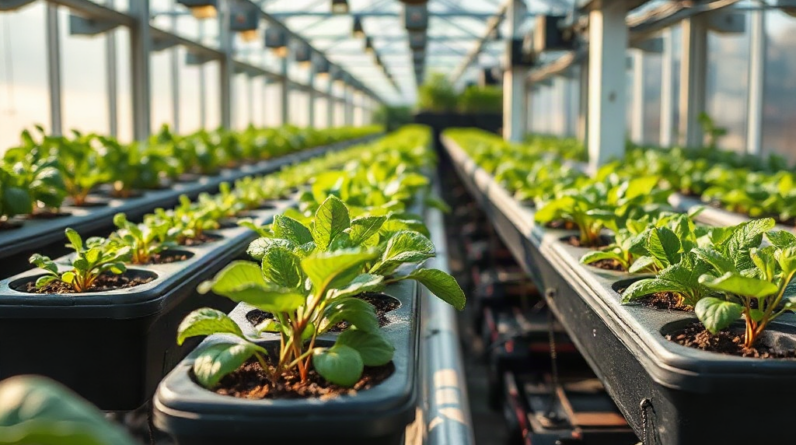
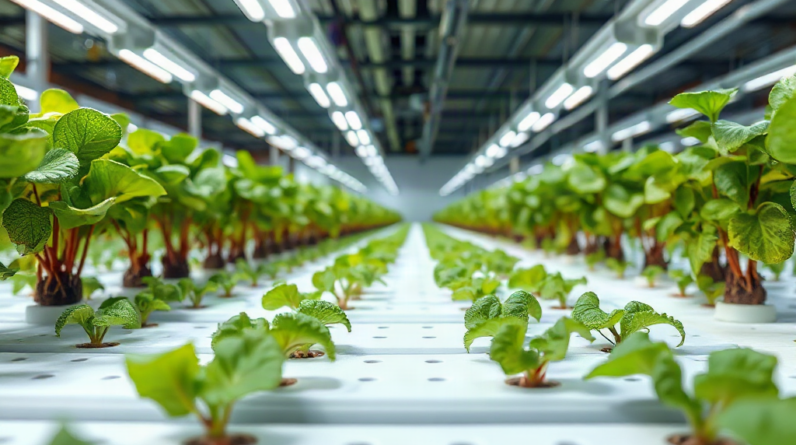
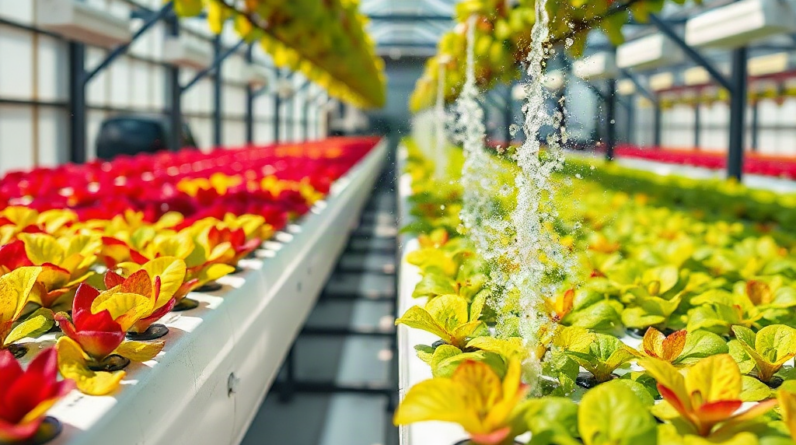
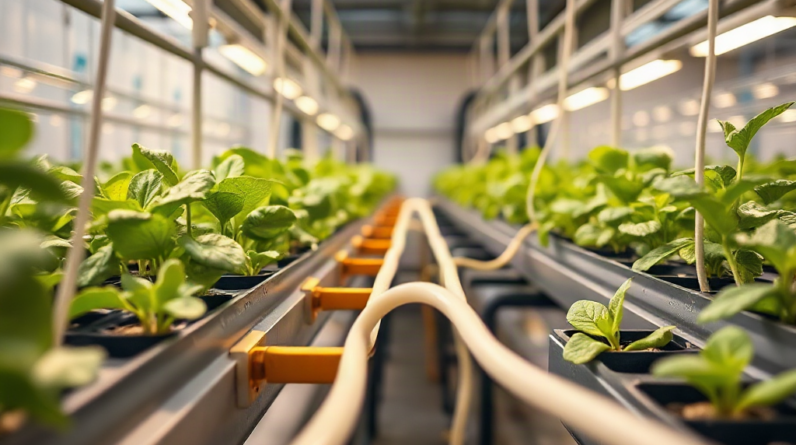
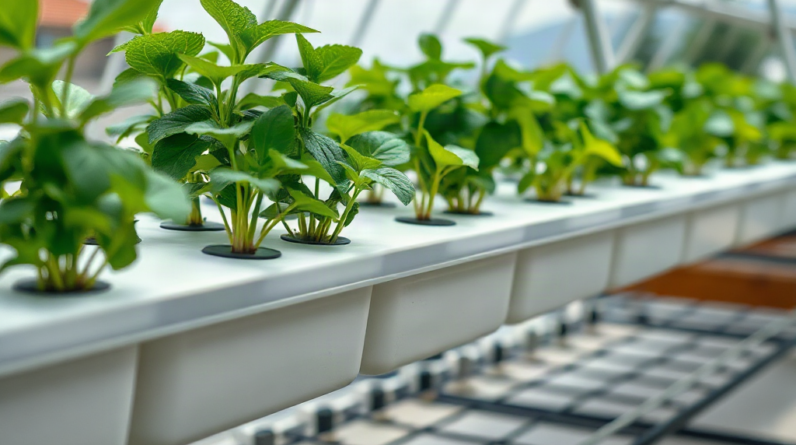
Hydroponic systems come in various forms, including nutrient film technique (NFT), deep water culture (DWC), and aeroponics. Each system has its strengths and weaknesses, which can influence how you prepare for potential challenges. For instance, NFT systems are excellent for fast-growing plants but can be more susceptible to pump failures, leading to rapid plant stress. Understanding your system’s mechanics is vital for anticipating and addressing issues.
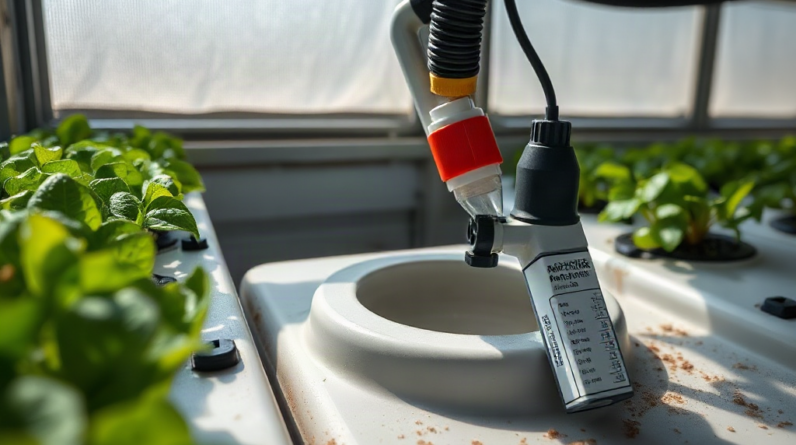
Moreover, each type of hydroponic setup requires specific equipment and monitoring tools. Investing in reliable sensors for temperature, humidity, and nutrient levels can help you respond quickly to any fluctuations that could harm your plants. Without proper monitoring, you may miss critical signs of distress that can escalate into larger problems.
Common Challenges in Hydroponics
Some of the most frequent challenges in hydroponic gardening include algae growth, pest infestations, and equipment failures. Algae thrive in nutrient-rich water, so it’s crucial to maintain cleanliness and reduce light exposure to the nutrient reservoir. Pest management can also be tricky, as hydroponic systems often lack the natural predators found in soil gardens. Regular inspections and integrated pest management (IPM) strategies can help control outbreaks before they escalate.
To mitigate equipment failures, ensure that all components, such as pumps and lights, are regularly serviced and replaced as needed. Having backup equipment on hand can also prevent loss of crops in case of sudden failures.
Preventing Nutrient Imbalances
To prevent nutrient imbalances, it is essential to maintain a balanced nutrient solution tailored to your plants’ growth stages. Regularly testing your nutrient solution for electrical conductivity (EC) and adjusting as needed can ensure that plants receive the right amount of nutrients. Additionally, understanding the specific nutrient needs of each plant type can help in formulating an effective feeding schedule.
Consider using a nutrient management software or app that can help track your nutrient levels and suggest adjustments based on plant growth stages. This proactive approach can save time and resources while maximizing crop yield.
Maintaining Optimal pH Levels
Maintaining optimal pH levels is crucial for ensuring nutrient availability. Most hydroponic plants thrive in a pH range of 5.5 to 6.5. Regularly test the pH of your nutrient solution and adjust it using pH up or pH down solutions as necessary. Neglecting pH management can lead to nutrient lockout, where essential nutrients become unavailable to plants, resulting in poor growth and yield.
To simplify pH management, consider investing in a pH controller that can automate adjustments based on real-time readings. This can greatly reduce the risk of human error and ensure that your plants are consistently receiving the nutrients they need.
Frequently Asked Questions
What are the main challenges in hydroponic gardening?
The main challenges include nutrient imbalances, pH fluctuations, equipment failures, and pest management.
How often should I test the nutrient solution?
It is recommended to test the nutrient solution at least once a week to ensure proper nutrient levels and pH balance.
What is the ideal pH level for hydroponic plants?
The ideal pH level for most hydroponic plants is between 5.5 and 6.5.
Can I use tap water for hydroponics?
Tap water can be used, but it should be tested for chlorine and hardness levels, as these can affect plant health.
How can I prevent algae growth in my hydroponic system?
Prevent algae growth by minimizing light exposure to the nutrient reservoir and maintaining cleanliness in your system.
Further Reading
Authoritative Sources
- 5 Essential Tips for Mastering Hydroponics at Home
sinabeacon.comFrom choosing the right system to managing nutrients, these tips are all about making your Hydroponic Garden work better, so you can enjoy the ...
- Solving Indoor Gardening Challenges with Hydroponics
hydroplanner.comLearn how hydroponics can solve common indoor gardening challenges such as limited space, pest control & more. Comprehensive guide included.
- Overcoming Hydroponic Hurdles: A Guide for Newbie ...
gardening.co.zaRegularly test the nutrient solution: Flush the system: Monitor the light duration: Maintain a clean growing environment: Regularly clean your hydroponic ...
- 12 Things to Consider Before Starting with Hydroponics
greeneryretail.com1: Plan Your Location Whether. Use fans or a ventilation system. Place the seeds in a dark location for 24 hours to spur germination. Make sure ...
Conclusion
In summary, preparing for hydroponic gardening challenges requires a proactive approach to monitoring and maintaining your system. Focus on understanding the specific needs of your plants, regularly test and adjust nutrient levels and pH, and keep your equipment in top condition. By anticipating and addressing potential issues, you can create a thriving hydroponic garden that yields healthy and abundant crops.