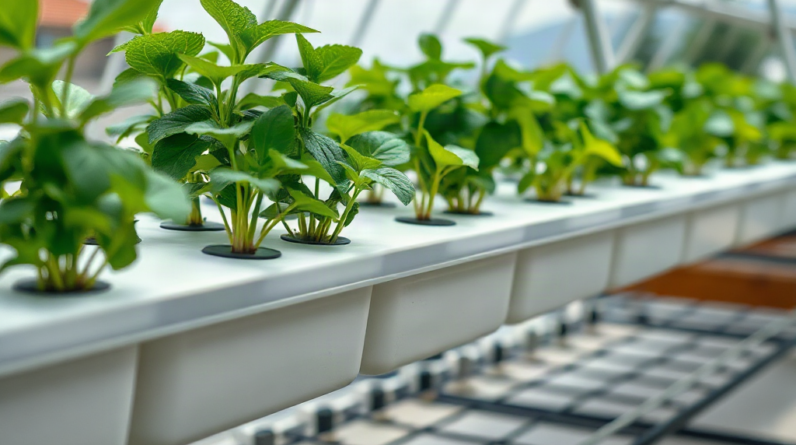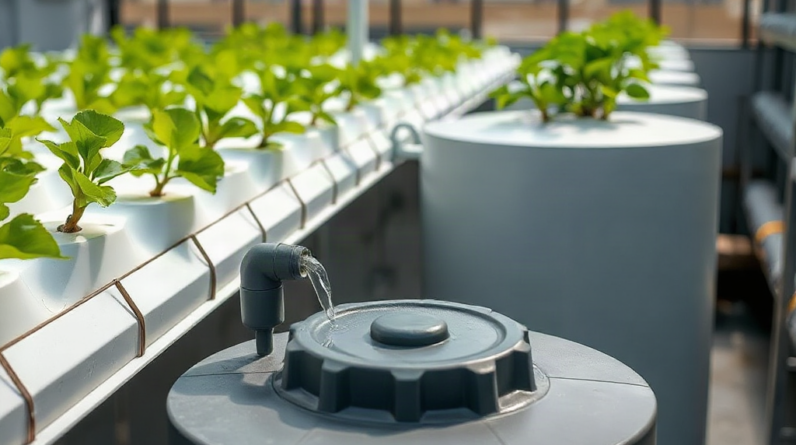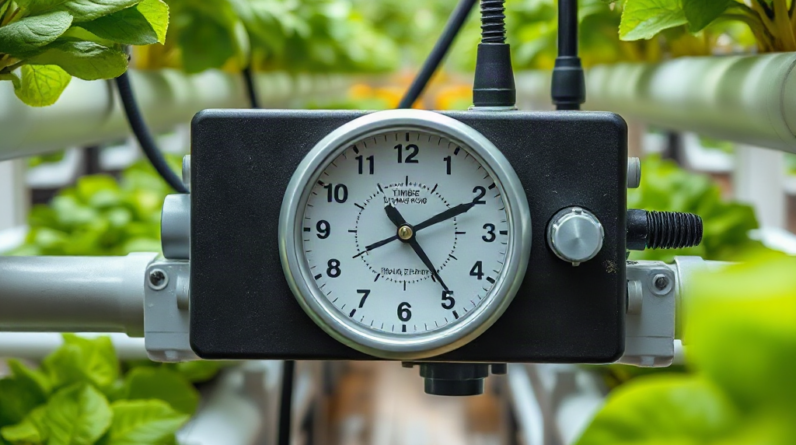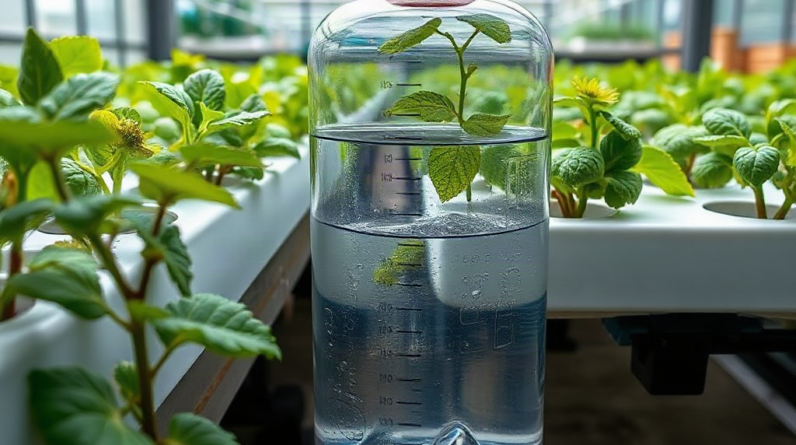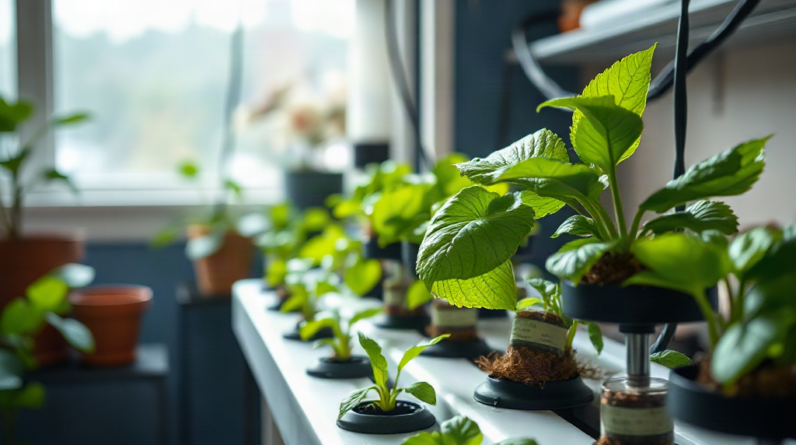
To create a hydroponic maintenance schedule, start by establishing a routine that includes daily, weekly, and monthly tasks tailored to your system's needs. Daily checks should focus on water levels and pump functionality, while weekly assessments should monitor pH and nutrient concentrations. Monthly tasks should involve cleaning the system and replacing the nutrient solution. Regular inspections of all components, such as lights and pumps, can help identify issues early, preventing costly failures. Documenting these activities in a maintenance log will enhance your ability to track progress and ensure optimal plant health.
Understanding Hydroponic Systems
Hydroponic systems are innovative methods of growing plants without soil, utilizing nutrient-rich water solutions instead. Understanding the components of your hydroponic setup is crucial for developing a successful maintenance schedule. Key elements include the nutrient reservoir, growth medium, and environmental controls, such as light and temperature. Each of these components plays a significant role in plant health, and neglecting any aspect can lead to suboptimal growth or crop failure.
For instance, the nutrient reservoir needs to maintain the right balance of essential minerals and pH levels to support plant growth. Regular monitoring of these factors helps avoid nutrient deficiencies, which can stunt growth and reduce yields. Furthermore, understanding how your system functions will allow you to create a tailored maintenance schedule that addresses the specific needs of your plants.
Key Components of a Maintenance Schedule
A hydroponic maintenance schedule should encompass several critical components to ensure optimal plant health. First, it should outline daily, weekly, and monthly tasks that are necessary for system upkeep. Daily tasks might include checking water levels and ensuring the pump is functioning properly. Weekly tasks could involve monitoring pH and nutrient levels, while monthly tasks might include cleaning the system and replacing the nutrient solution.
Additionally, it’s important to incorporate regular inspections of all system components, such as lights and pumps, to identify potential issues before they escalate. Documenting these tasks in a maintenance log can help track progress and ensure accountability. This structured approach not only keeps your system running smoothly but also provides insights into trends that may require adjustments.
Weekly and Monthly Tasks
To maintain a successful hydroponic system, it’s essential to establish a routine for weekly and monthly tasks. Weekly tasks should focus on monitoring the nutrient solution’s pH and electrical conductivity (EC) levels, as these parameters can fluctuate significantly and impact plant health. Regularly checking these levels allows for timely adjustments, ensuring that plants receive the necessary nutrients.
Monthly tasks should include a thorough cleaning of the system components, such as the reservoir and tubing, to prevent algae buildup and other contaminants. Additionally, it’s wise to review your maintenance log to identify any recurring issues that may need addressing. This proactive approach helps in maintaining an efficient system and can prevent costly failures.
Common Mistakes to Avoid
One of the most common mistakes in hydroponic gardening is neglecting the importance of a maintenance schedule. Many growers underestimate the need for regular checks and adjustments, leading to nutrient imbalances and plant stress. Another frequent error is failing to document maintenance activities, which can make it difficult to identify patterns or recurring problems.
Additionally, some growers may overlook environmental factors such as light intensity and temperature, which play a critical role in plant growth. Regularly monitoring these conditions should be part of your maintenance routine to ensure optimal growth. By avoiding these mistakes and adhering to a well-planned maintenance schedule, you can significantly enhance the health and productivity of your hydroponic garden.
Frequently Asked Questions
What is the most important aspect of hydroponic maintenance?
Regular monitoring of nutrient levels and pH balance is crucial to prevent plant stress and ensure healthy growth.
How often should I change the nutrient solution?
It's generally recommended to change the nutrient solution every two to three weeks, depending on plant growth and system type.
Can I use tap water for my hydroponic system?
Tap water can be used, but it should be tested for pH and chlorine levels, as these can adversely affect plant health.
What signs indicate a nutrient deficiency in plants?
Common signs include yellowing leaves, stunted growth, and poor fruit development, which indicate the need for a nutrient solution adjustment.
How do I keep my hydroponic system clean?
Regular cleaning of the reservoir and tubing, along with proper sanitation practices, can help prevent algae growth and system contamination.
Conclusion
Establishing a hydroponic maintenance schedule is essential for ensuring optimal plant health and maximizing yields. By understanding your system, setting clear maintenance tasks, and avoiding common mistakes, you can create an effective routine that supports healthy growth. Prioritize regular checks of nutrient levels, pH balance, and environmental conditions, and document your activities to track progress. With a solid maintenance plan, your hydroponic garden can thrive and produce healthy, robust plants.
Related Content
- Hydrogen Peroxide for Hydroponic System Cleaning: Concentration, Contact Time, and Rinse Steps
- 10 Effective Indoor Hydroponic Vegetables to Grow in 2025: The Ultimate Guide
- Preventing Leaks at Hydroponic Fittings: Seal Checks, Installation Steps, and Failure Signs
- Hydroponic Crop Succession for Continuous Lettuce: A 6-Week Planting Rhythm
- Common Issues with Hydroponic Drip Systems: Causes and Solutions for Optimal Performance