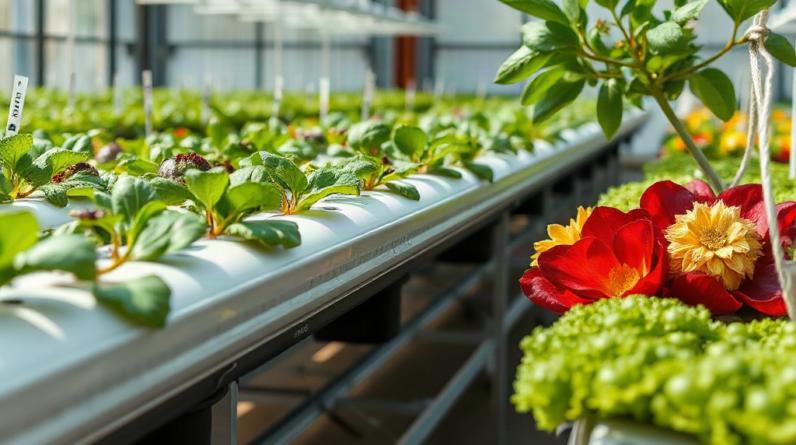
Hydroponic garden cost per vegetable depends on the crop’s space, harvest speed, electricity use, nutrient demand, and share of equipment cost. Leaf lettuce and herbs usually have a lower cost per harvest because they mature quickly and fit densely, while tomatoes, peppers, and cucumbers occupy a growing site longer and need trellising, pruning, pollination, and stronger lighting. Calculate each vegetable separately by dividing its allocated setup, consumable, energy, labor, and replacement costs by the usable harvest. Track real harvest weight for several cycles, because a failed crop, unused capacity, or short equipment life can make an apparently inexpensive system costlier than soil-grown produce.
What Determines Cost Per Vegetable
The cost of producing one hydroponic vegetable is a portion of the garden’s total operating and ownership expense, not simply the price of seed and nutrient solution. A useful calculation assigns each crop a share of lighting, pumps, reservoirs, channels, growing media, electricity, water, nutrients, labor, and replacement parts. The result changes with the amount harvested: a productive crop spreads fixed costs across more vegetables, while a failed planting leaves those costs attached to fewer usable items.
Fixed costs include the light, rack, timer, reservoir, air pump, circulation pump, plumbing, and monitoring equipment purchased before the first harvest. Variable costs rise with each planting and include seed, starter plugs, nutrient concentrate, water, electricity, cleaning supplies, and packaging if produce is being distributed. Equipment does not need to be charged entirely to one crop. If a light is expected to serve several growing cycles, divide its purchase price across those cycles and then allocate the result according to the growing space or light hours used.
Crop duration is a major cost driver. A fast lettuce crop may use a site for several weeks, whereas a tomato plant can occupy that site for months. The tomato also needs a larger root zone, support, pruning, airflow, and often more light. A shorter crop is not automatically cheaper if its harvest is small, but long-occupied crops must produce enough fruit to justify their share of the system.
Compare costs using the same unit. Cost per head works for lettuce, cost per bunch may suit basil, and cost per pound or kilogram is more useful for tomatoes and cucumbers. Include only edible, usable harvest. Leaves removed because of tip burn, fruit discarded because of blossom-end problems, and plants lost to root disease all affect the true unit cost.
A simple record of planting date, harvest quantity, electricity use, consumables, and crop losses gives a more credible answer than a broad claim that hydroponics is always cheaper or more expensive. The system’s scale, local electricity rate, equipment reuse, and crop mix matter more than the word “hydroponic” alone.
Typical Cost Differences Between Crops
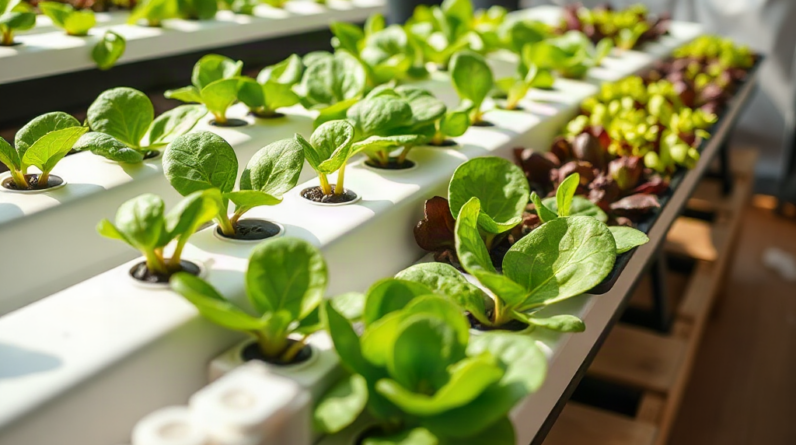
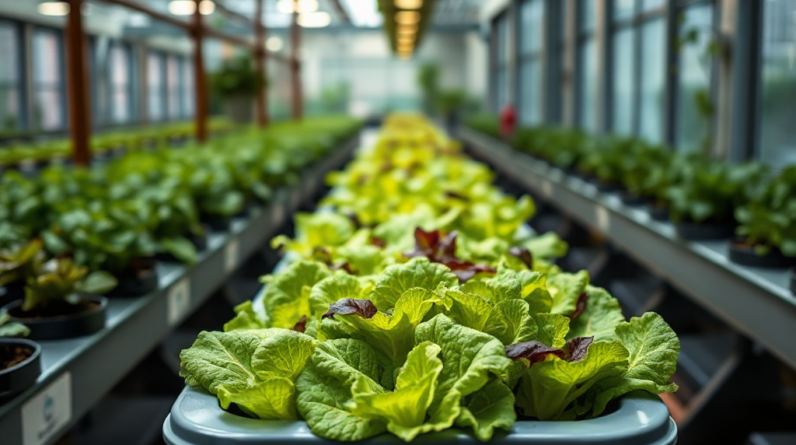
Leafy vegetables and culinary herbs often have the clearest path to a reasonable unit cost because they grow vertically or densely, require relatively little structural support, and can be harvested repeatedly. Lettuce, arugula, kale, and basil can share a suitable lighted area, although their harvest timing and spacing still need to be recorded separately. Basil may produce several cuttings from one plant, which spreads the seedling and site cost across multiple harvests.
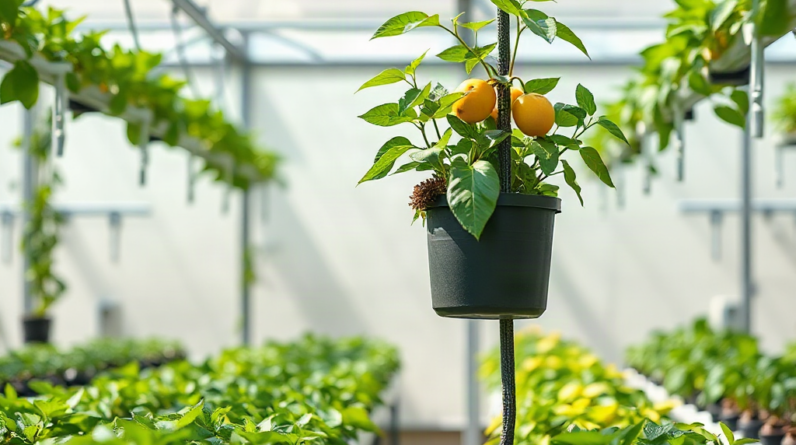
Fruit-bearing plants usually carry a heavier cost burden. Tomatoes, peppers, and cucumbers stay in the system longer, consume more water and nutrients over their life, and may require trellis clips, pruning, hand pollination, or access space. A tomato plant that yields only a few fruits can have a high cost per fruit even if the nutrient bill appears modest. A productive plant can reduce that figure, but the calculation should include the long period during which its site could have held multiple short-cycle greens.
Root vegetables require a different comparison. Radishes may be suitable for certain systems with adequate root room, while carrots and larger root crops can be awkward in compact channels or small net pots. If a crop needs a specialized container or grows slowly without producing much edible mass, its allocated infrastructure cost may exceed the value of the harvest. The practical question is not whether a vegetable can grow hydroponically, but whether it uses the available space efficiently.
For a home grower, a crop-by-crop worksheet can rank options by both cost and convenience. Record:
- Number of planting sites and days occupied.
- Electricity or light hours assigned to the crop.
- Seedling, nutrient, media, water, and support costs.
- Edible harvest and discarded material.
- Labor needed for pruning, cleaning, pollination, and harvesting.
Do not compare one expensive tomato harvest with a mature lettuce operation that has already recovered its equipment cost. A fair comparison uses several cycles, the same accounting method, and realistic yields for the actual variety and environment. The link Hydroponic garden cost per vegetable should be treated as a working measurement that becomes more accurate as records accumulate.
A Practical Cost Calculation Method
Calculate unit cost in five stages: assign fixed expenses, total variable expenses, allocate shared resources, measure usable harvest, and divide. Start by listing the purchase price and expected service period of reusable equipment. A $240 light used for four years should not be charged entirely to the first planting. Estimate its annual use, then assign a reasonable share to each crop based on growing area or operating time.
Next, total expenses for the crop cycle. Include seed or cuttings, plugs, media, nutrients, water, electricity, sanitation materials, and replacement items. Electricity deserves attention because lights, pumps, fans, and climate equipment may run for different numbers of hours. A watt meter can provide a better estimate than relying on the device’s label alone. Multiply measured kilowatt-hours by the local rate, then assign the crop’s share.
Labor is optional in a household cash-cost calculation but useful for comparing commercial value or competing hobbies. Seeding, transplanting, checking roots, adjusting equipment, pruning, cleaning, and harvesting all take time. A crop that appears cheap in cash may be less attractive if it demands frequent intervention. Conversely, a grower may intentionally accept higher labor for better freshness or reliable winter production.
Use this formula:
Cost per unit = (allocated equipment cost + crop expenses + energy + water + labor + loss allowance) ÷ usable harvested units.
Suppose a small rack assigns part of its light and pump expense to basil. Add the basil seed, plug, nutrients, electricity, and cleaning share, then divide by the total weight harvested across all cuttings. If one planting fails from a clogged emitter or root-zone problem, include the wasted inputs and the occupied time. Excluding failures produces an attractive but misleading number.
Keep cash cost and replacement cost separate when helpful. Cash cost answers what the next harvest costs using equipment already owned. Full cost asks whether buying and maintaining the system makes economic sense over time. Both figures are valid, but they answer different questions. Revisit the worksheet after three or more cycles, when the effect of crop losses and actual productivity becomes visible.
Where Hydroponic Budgets Commonly Go Wrong
The most common mistake is counting consumables while ignoring infrastructure. Seeds and nutrient concentrate are visible purchases, but lighting, climate control, pumps, tubing, meters, and replacement parts often determine whether the garden is economical. A low-cost starter kit can still produce an expensive vegetable if it has poor light, limited capacity, or components that need frequent replacement.
Another error is using retail produce prices as proof of savings. Store prices vary by season, location, quality, and product type. Homegrown produce also offers freshness and availability, but those benefits are not the same as a lower cash price. Compare the system with the produce you would actually buy, not with an unusually expensive specialty item.
Yield estimates create a third problem. Catalog descriptions and online examples may reflect optimized environments, mature equipment, or unusually attentive growers. A new system may lose plants while the operator learns nutrient strength, water temperature, light height, airflow, and sanitation. Budget for a learning period rather than treating every site as continuously productive.
Small gardens face a capacity penalty. A single reservoir and light may be affordable, but a few failed plants can sharply raise the cost per surviving vegetable. Shared equipment becomes more economical when it remains full, yet overcrowding can increase humidity, shading, and disease pressure. The best balance is enough planting diversity to use the equipment without making maintenance difficult.
Watch for these warning signs:
- Large unused gaps between plantings or long periods with lights running on empty sites.
- Repeated crop losses that are recorded as “normal” instead of included in the calculation.
- High electricity use caused by lighting an unsuitable crop or an inefficient growing area.
- Harvest records that count planted units rather than edible weight or usable portions.
When the result looks unexpectedly high, investigate utilization and losses before buying more equipment. The related Hydroponic garden cost per vegetable calculation often improves more from reliable harvests and full site use than from trimming a small nutrient purchase.
Reducing Unit Cost Without Sacrificing Reliability
The safest savings come from improving output per occupied site. Choose crops that match the system’s light, spacing, reservoir volume, and maintenance capacity. Fast greens may fit a compact rack better than a sprawling cucumber, while herbs can make good use of repeated harvesting if airflow and pruning are manageable. Matching the crop to the hardware avoids the false economy of forcing a plant into an unsuitable design.
Use staggered planting so the light and pump serve new plants as older ones finish. A simple schedule can keep harvests moving without filling every site at once. Sanitize between cycles, inspect roots, and replace damaged tubing before the next planting. Preventive maintenance costs less than losing a full row after a small leak, clogged line, or failed air pump goes unnoticed.
Energy management deserves a measured approach. Use a timer, keep lighting appropriate to the crop, clean fixtures and ventilation paths, and check whether the growing area is losing conditioned air. Lowering light intensity or operating time without observing plant response may reduce the bill but also reduce yield, which can increase cost per vegetable. A watt meter and harvest log reveal whether an energy change actually helps.
Prioritize changes in this order:
- Reduce preventable crop loss and equipment downtime.
- Fill usable growing space with crops suited to the system.
- Measure electricity rather than estimating it loosely.
- Reuse durable components while replacing worn parts before failure.
- Only then test lower-cost nutrients, media, or packaging.
Do not cut sanitation, safe electrical practices, or adequate airflow to save a few dollars. A cheaper process that creates algae, root stress, or repeated harvest loss is not economical. A sensible budget also recognizes non-cash value: winter availability, control over harvest timing, and reduced travel may justify a higher unit cost for a household. Keep that value separate from the production figure so the decision remains transparent. For a broader planning reference, use Hydroponic garden cost per vegetable alongside actual records from the chosen crops.
Frequently Asked Questions
Which vegetables usually have the lowest hydroponic cost per unit?
Fast-growing leafy greens and repeatedly harvested herbs often have lower unit costs because they use space efficiently and reach harvest sooner.
Should electricity be included in the calculation?
Yes. Include lighting, pumps, fans, and climate equipment, preferably using measured watt-hours and the local electricity rate.
How should shared equipment be assigned to different vegetables?
Allocate shared costs by growing area, operating time, or site-days, then use the same method for every crop so comparisons remain fair.
Do failed plants affect cost per vegetable?
Yes. Include wasted seed, media, nutrients, energy, and occupied time in the cycle’s expense, then divide by the usable harvest that remained.
Is hydroponic produce always cheaper than store-bought vegetables?
No. Hydroponics may offer freshness and convenient access, but equipment, electricity, labor, and crop losses can make the cash cost higher.
Further Reading
Authoritative Sources
- Academy of Nutrition and Dietetics
eatright.orgProfessional nutrition guidance, healthy eating resources, and practical dietitian-reviewed advice.
- U.S. Department of Agriculture
usda.govOfficial food, nutrition, agriculture, and consumer guidance from the USDA.
- NIH Office of Dietary Supplements
ods.od.nih.govResearch-based fact sheets on nutrients, supplements, dietary intake, and safety considerations.
- International Society of Sports Nutrition
sportsnutritionsociety.orgEvidence-informed sports nutrition resources and position stands for active people and athletes.
Conclusion
A credible vegetable-by-vegetable budget comes from measuring the whole production cycle rather than counting seeds and nutrients alone. Assign reusable equipment fairly, track electricity and labor, record crop losses, and divide total cost by edible harvest. Leafy greens and herbs may suit compact systems because they mature quickly, while fruiting plants need enough yield to justify longer site occupancy and added support. Test changes over several cycles instead of judging a crop from one unusually good or poor harvest. Begin with a simple worksheet for the vegetables you actually want, measure what the system consumes, and improve reliability before chasing minor supply savings. That process produces a realistic cost figure and shows whether the garden’s freshness, convenience, and seasonal availability justify its operating expense.